The rain outside a window in Prague always sounds like a metronome. It taps against the glass with a steady, indifferent rhythm, measuring out seconds that belong to history. Inside a wood-paneled room, away from the roaring amphitheaters of the continent, a man sits looking at a ledger of numbers that could alter the heartbeat of global sport.
That man is Petr Fousek, head of the Czech Football Association. Before him lies a proposal. Not a tactical formation. Not a training schedule for the next generation of kids kicking a deflated ball on frozen gravel. Instead, he sees a single, staggering figure. Twenty billion dollars.
Money. In modern football, the word tastes like copper and carbonated lime.
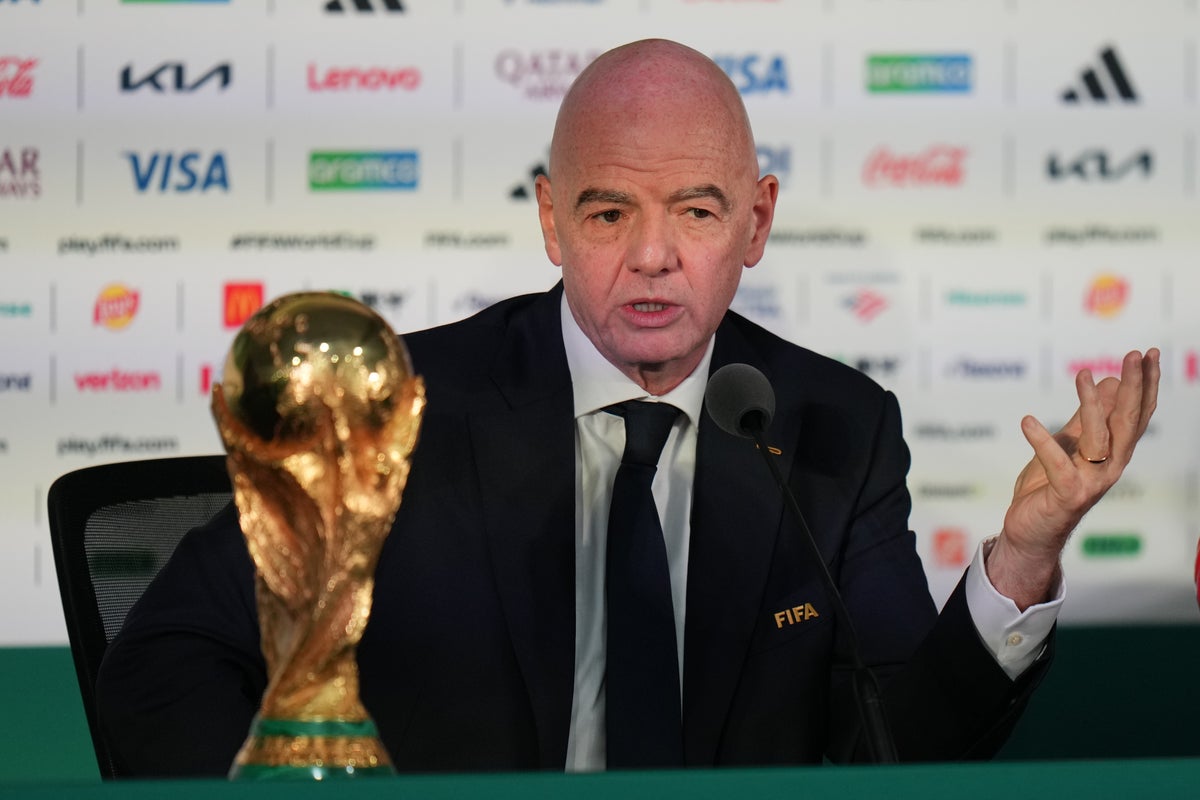
To understand why a veteran football administrator in Central Europe would throw his weight behind FIFA President Gianni Infantino’s controversial, multi-billion-dollar commercial revolution, we have to step away from the boardroom tables. We have to look at the grease on the cleats of a twelve-year-old in a small Moravian village. We have to smell the damp mud of a pitch where the lines are drawn with cheap white powder that washes away in the first drizzle.
Football belongs to everyone. Except when it doesn't.
For decades, the financial architecture of the sport has resembled a funnel. The wide end catches billions from television screens in Tokyo, New York, and London, funneling it directly into the bloated treasuries of a dozen elite clubs in Western Europe. Real Madrid. Manchester City. Bayern Munich. They are the constellations in the night sky. Down below, in places like Prague, Bucharest, or Sofia, local leagues exist in perpetual twilight, squinting up at the light.
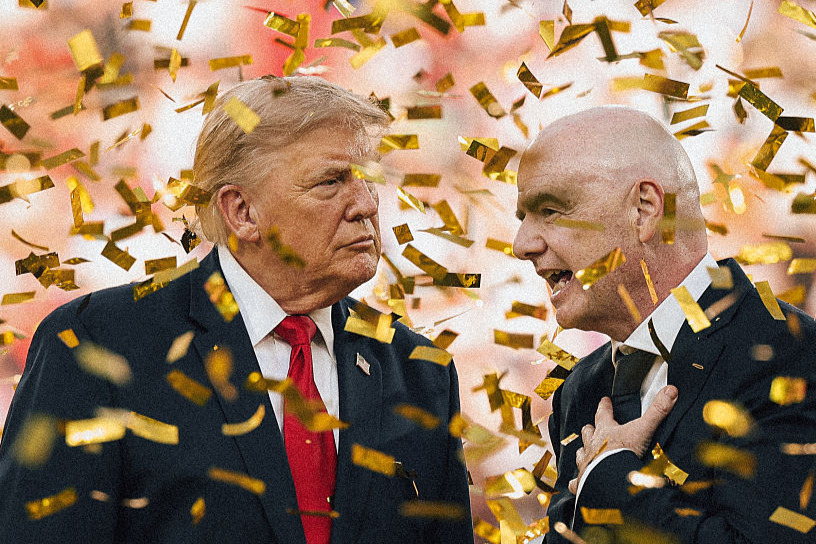
Then came the pitch. A massive, twenty-billion-dollar injection from external investors, designed to reshape the global tournament structure, expand the Club World Cup, and flood the international ecosystem with cash. Infantino promised a rising tide. He promised that wealth would finally seep through the cracks, dripping down to federations that struggle to buy cones and bibs, let alone modern medical facilities.
Fousek listened. And Fousek agreed.
Critics called it selling out. They pointed to the commercialization of a sacred trust, warning that bloating the calendar would grind players' joints into dust. They argued that football was losing its soul to the highest bidder, trading traditional rivalries for lucrative exhibition matches played under the glare of desert spotlights.
They are not wrong. The calendar is packed until it bleeds.
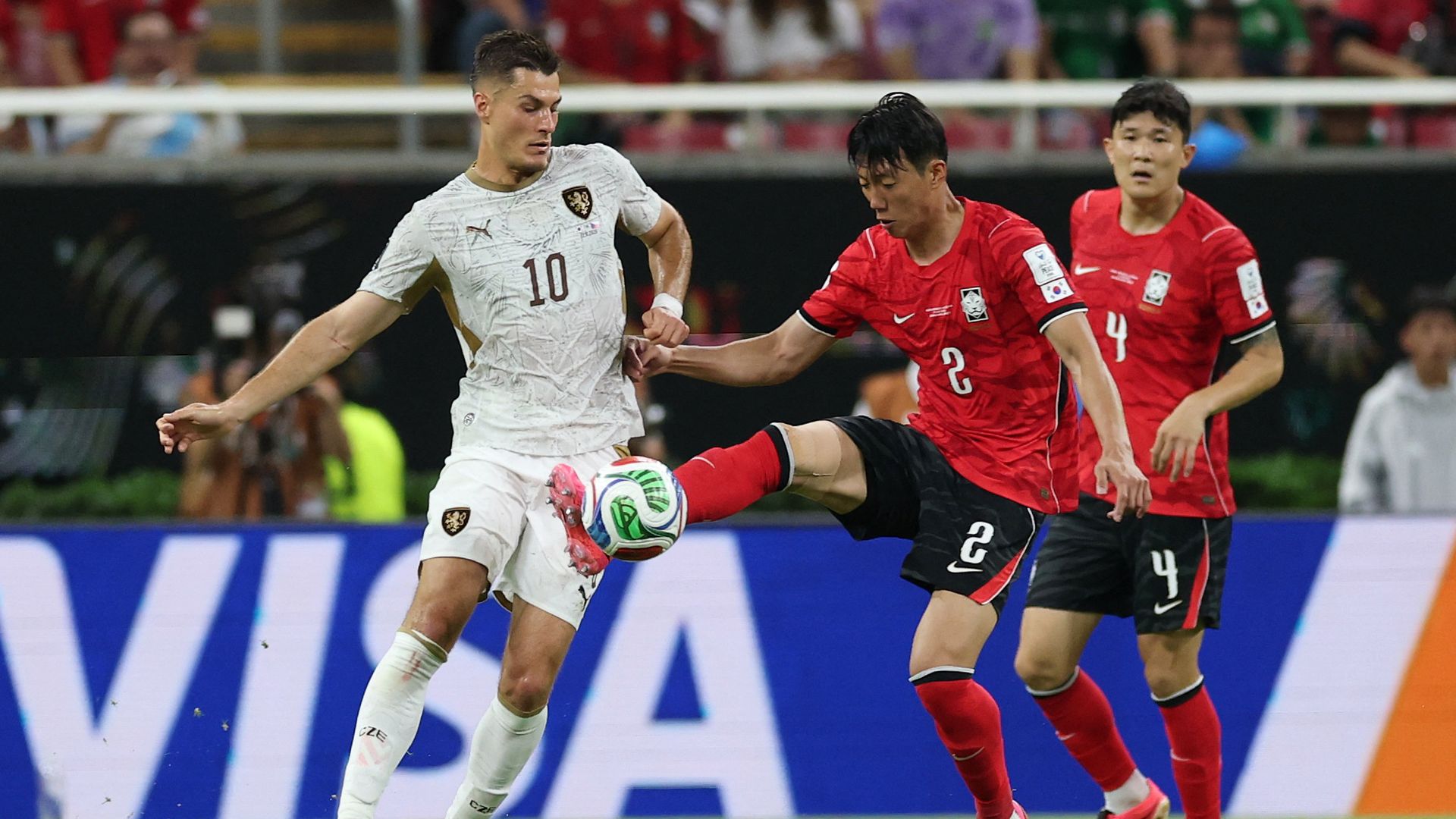
Consider what happens next to a player who starts in August and finishes in July, hopping continents like a modern courier. The hamstrings stretch. The knees swell. The human body is not a machine, though television networks treat it like one. Every extra game sold for broadcast rights is a withdrawal from a biological account that eventually hits zero.
Yet, from the perspective of a national association outside the traditional western financial hubs, the moral calculus looks entirely different.
Imagine you are running a regional federation with a budget that wouldn't cover a single benchwarmer's weekly wage at a Premier League side. You watch your best young talent pack their bags for foreign academies before they can even vote, drained away by economic gravity. You watch your stadiums crumble because local municipalities cannot afford the concrete, let alone the roofing.
When someone walks into the room and drops a twenty-billion-dollar plan on the desk, you do not look at it through the pristine lens of romanticism. You look at it through the pragmatic lens of survival.
Infantino’s grand vision is controversial precisely because it forces a collision between two incompatible ideas. The first is football as art, an ancient folklore passed down through sweat and tribal loyalty. The second is football as industry, a relentless global entertainment machine that must generate infinite growth to satisfy its masters.
The Czech FA president’s endorsement is a symptom of this deep systemic pressure. It is an admission that the current model is broken for everyone who does not wear a crown of gold. If the elite tier is swimming in billions, why shouldn't the rest of the world demand a seat at the banquet, even if the table is built by corporate interests?
This is the invisible tension of the modern era. We mourn the loss of the old ways while eagerly signing the contracts that bury them.
The rain continues to fall in Prague. The ledger closes with a soft thump. Somewhere out there, beneath the stadium lights, a child scores an imaginary goal into a pair of rolled-up jumpers, completely unaware of the billions moving across oceans to dictate the future of his dreams. The ball spins into the wet grass, pausing for a fraction of a second before rolling on.