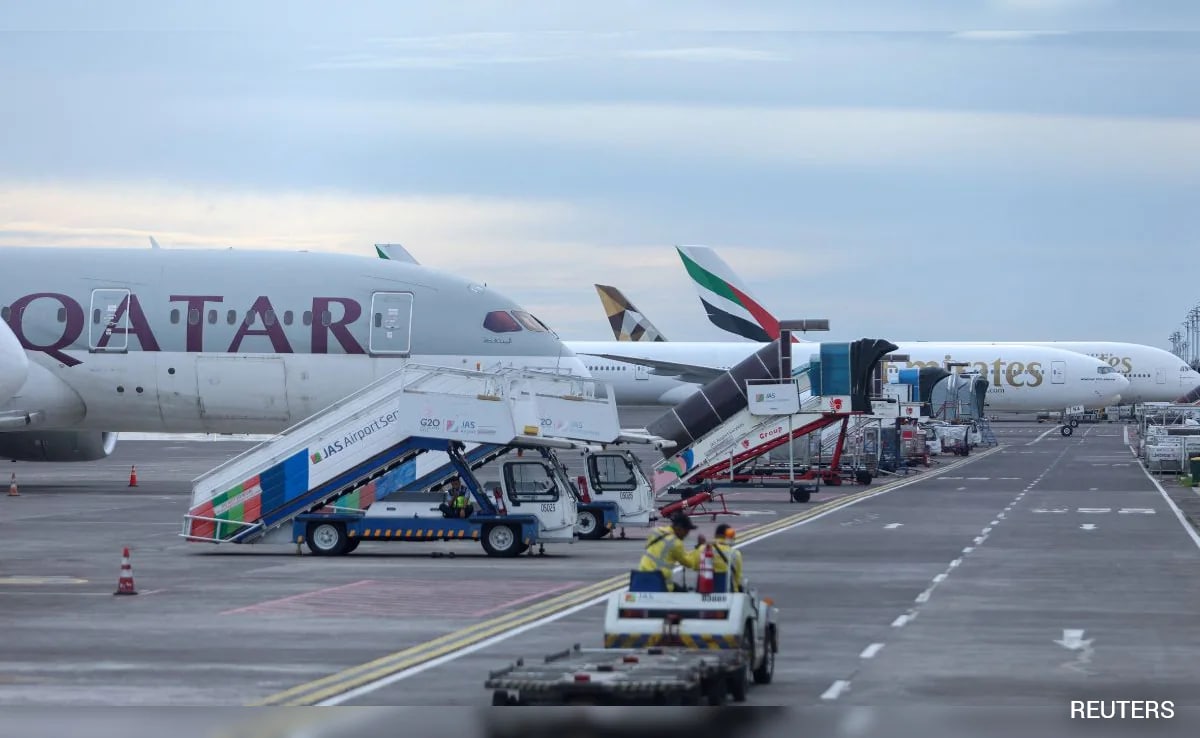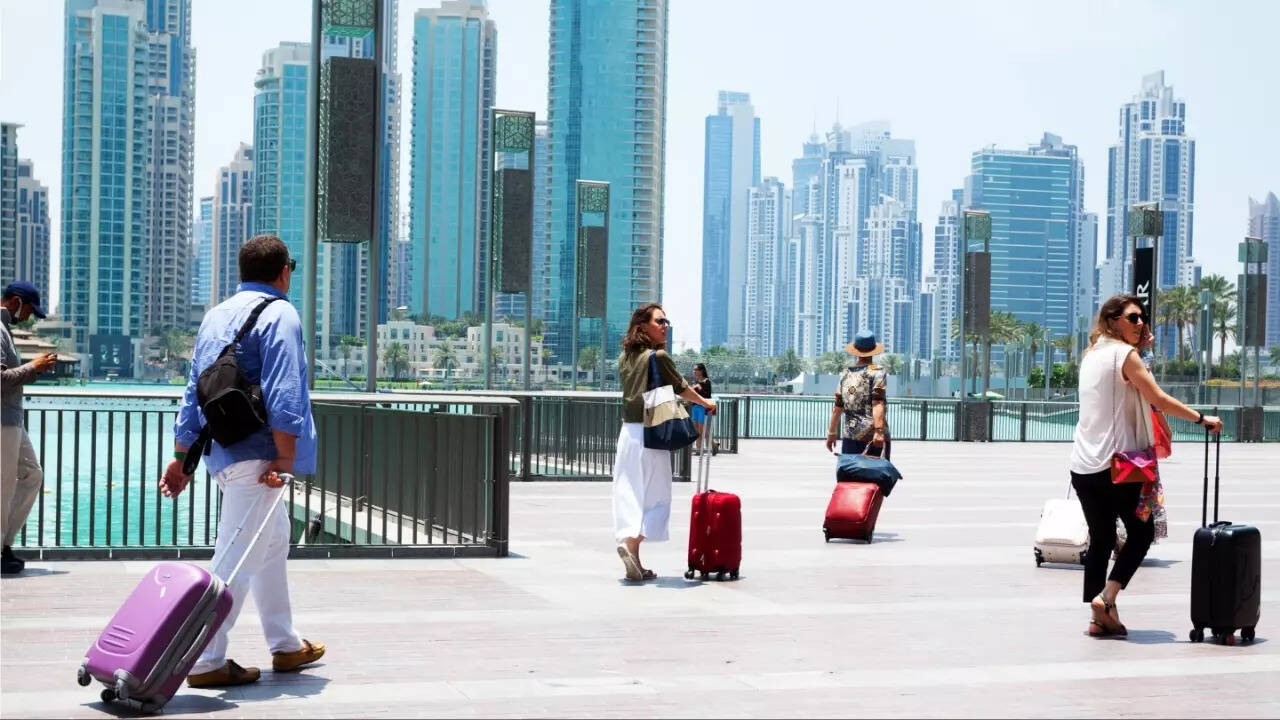
The headlines are currently dripping with a sugary, corporate sentimentality. "Refunds for all!" they scream. "Free hotels and food vouchers for the weary traveler!"
It’s a lie. Or, at best, a very expensive distraction.
When extreme weather or infrastructure failures paralyze a global hub like Dubai, the industry’s response follows a predictable, pathetic script. They offer you a sandwich and a cot in a three-star hotel located two hours from the terminal and call it "customer care." Most travel journalists eat it up. They frame these provisions as a victory for consumer rights.
They aren't a victory. They are a settlement.
By accepting the "free" amenities and the promise of a distant refund, you are participating in a system designed to mask a fundamental lack of operational resilience. We need to stop praising airlines for doing the bare minimum when their business models collapse at the first sight of a cloud.
The Myth of the "Act of God"
Airlines love the term "Force Majeure." It is the ultimate get-out-of-jail-free card. They use it to imply that the chaos was entirely unpredictable, an act of divine intervention that no amount of planning could have mitigated.
In reality, most "unforeseeable" disruptions in the UAE—whether they are rare torrential rains or technical outages—are failures of stress-testing. When you operate a hub that handles 80 million passengers a year, "unprecedented" is no longer an excuse. It is a data point you ignored.
I have spent fifteen years watching carriers burn through PR budgets to tell you how much they care about your comfort while simultaneously lobbying against stricter compensation laws. The current narrative around UAE travel disruptions focuses on the generosity of the response. This is a tactical error.
If a bank lost your money for three days, you wouldn't be happy if they gave you a voucher for a free coffee. You would demand to know why their servers failed and where your interest is. Yet, in travel, we’ve been conditioned to accept a voucher for a lukewarm buffet as fair trade for a ruined wedding, a missed business deal, or a lost week of life.
Why Your Refund is Actually a Zero-Interest Loan
Let’s look at the math of the "automatic refund."
When an airline cancels your flight and promises a refund within 14 to 30 days, they are essentially holding your capital hostage. You paid for a service. They failed to deliver. In any other industry, that failure would trigger immediate restitution plus damages. In the travel world, they keep your $1,200 for a month, earn interest on it, and then give it back to you when it’s convenient for their cash-flow cycle.
- The Liquidity Play: Airlines use your "refund" money to pay for the fuel of the planes that are flying.
- The Voucher Scam: They will often offer "110% credit" instead of cash. This isn't a bonus; it’s a way to ensure you can’t take your business to a competitor who actually has their act together.
- The Friction Factor: They make the refund portal so Byzantine that 15% of people simply give up or forget.
I have sat in boardrooms where the "leakage" of unclaimed refunds is listed as a projected revenue line. Stop treating these refunds as a gesture of goodwill. They are a legal obligation that the industry is trying to make as difficult as possible to fulfill.
The Luxury Hub Paradox
Dubai and Abu Dhabi have branded themselves as the pinnacle of seamless, high-end travel. They have the tallest buildings, the fastest trains, and the most gold-plated lounges. But the moment the system breaks, the "luxury" mask slips to reveal a logistics chain that is as brittle as a dry twig.
The "free hotel" offered to a stranded traveler is rarely the Burj Al Arab. It’s a budget outpost in Sharjah where the Wi-Fi doesn't work and the staff is overwhelmed. This is the Luxury Hub Paradox: the more complex and "premium" a system becomes, the more catastrophically it fails when a single variable changes.
If you are stuck in the UAE, the worst thing you can do is wait in the "Customer Service" line. That line is a physical manifestation of a company’s failure.
How to Actually Navigate a Hub Collapse
Forget the advice about "staying calm" and "checking the app." If you want to survive a major disruption in a global hub, you need to be predatory.
- Ignore the "Provisions": While everyone else is fighting over a $15 meal voucher, you should be on your phone booking a hotel on your own dime at a different airport or a nearby city. You can sue for the cost later or claim it on high-end travel insurance. The goal is to get out of the "zone of chaos" immediately.
- The Ghost Booking: Don't wait for the airline to rebook you. They will put you on a flight three days from now. Book a refundable ticket on a competing airline immediately. Even if it costs three times as much, your time has a value.
- The Social Media Weapon: Don't tweet at the airline. They have a script for that. Instead, find the LinkedIn profiles of their Head of Operations or Chief Experience Officer. Send a direct, professional, and data-backed message regarding the breach of contract. It sounds aggressive because it is.
- Credit Card Protections: Most travelers don't realize their premium credit card has better "rescue" protocols than the airline's own policy. Stop talking to the gate agent. Start talking to your card's concierge.
The Cost of the "Free" Hotel
There is a psychological cost to accepting the airline’s "help." Once you accept the hotel voucher and the shuttle bus, you have entered their ecosystem. You are now a number to be processed. You have surrendered your agency.
I’ve seen families spend 12 hours in a terminal waiting for a bus to a hotel that didn't have a room for them because the airline’s database didn't sync. This isn't "travel." This is a hostage situation with better lighting.
The industry insists that these events are "unprecedented." They aren't. Rain in the desert happens. Tech outages happen. What is actually unprecedented is the level of passivity from the modern traveler. We have been trained to be grateful for the scraps of "care" tossed our way when the billion-dollar machines we fly in stop working.
The Truth About Travel Insurance
Everyone tells you to buy it. What they don't tell you is that standard travel insurance is a scam designed to protect the provider, not the traveler. Most policies have "weather" exclusions that are so broad you could drive a Boeing 777 through them.
If your policy doesn't include "Cancel for Any Reason" (CFAR), you don't have insurance; you have a placebo. Real pros don't rely on the airline's food provisions or the basic insurance plan. They rely on "Self-Insurance"—keeping a liquid $5,000 "Disruption Fund" that allows them to walk away from any terminal, book a private car to the nearest functioning city, and deal with the litigation later.
Stop Asking for Vouchers
When you ask for a food voucher, you are telling the airline that your time is worth the price of a burger.
Instead, document every minute of the delay. Capture the lack of communication. Record the conflicting instructions from staff. This is your evidence for a formal claim under regulations like EU 261 (if applicable) or local equivalents which are slowly—too slowly—being forced upon Middle Eastern carriers.
The UAE is a marvel of engineering, but its travel infrastructure is built on the assumption of perfection. It has no "Plan B" that doesn't involve treating passengers like cattle. The "generous" refunds and hotels currently being discussed in the media are not a sign of a healthy industry. They are the symptoms of a broken one trying to buy your silence.
The next time you’re told a flight is cancelled and a "free hotel" is being arranged, turn around and walk out of the airport. Book your own path home. Send them the bill. Demand better than a sandwich.
Stop being a "guest" and start being a claimant.