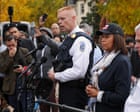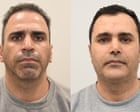
Two men sit in British custody after a jury found them guilty of helping Iran plan the elimination of UK-based journalists. That sounds like the plot of an espionage thriller, yet it happened right on the streets of London. Most people read headlines like this, shake their heads at foreign interference, and move on to their morning coffee. That is a massive mistake.
When a foreign intelligence service outsources surveillance and assassination prep to local operatives in Western capitals, the rules of national security change overnight. In this case, the defendants conducted hostile reconnaissance against staff working for Iran International, a Persian-language television network headquartered in London. Prosecutors laid out how the men gathered intelligence, photographed exits, and mapped daily routines for handlers linked to Tehran.
Let's be clear about what happened here. This wasn't random street crime. It was targeted state-sponsored intimidation designed to silence independent reporting from thousands of miles away.
How the London Surveillance Operation Worked
You might assume state-backed hit squads look like movie spies with diplomatic passports and hidden gadgets. Honestly, modern intelligence agencies rarely operate that way anymore. They outsource.
During the trial at London's Old Bailey, prosecutors detailed how the two convicted men carried out physical surveillance around the network's studio facilities in West London. They didn't need high-tech satellite gear. They used smartphones, basic vehicles, and foot patrols to track security protocols, entry points, and the movements of specific presenters.
- Target identification: Tehran has long labeled Iran International a terrorist organization because of its coverage of domestic protests and human rights abuses inside Iran.
- Local recruitment: Rather than inserting trained Quds Force officers into Britain—which triggers immediate counter-intelligence alarms—handlers recruit individuals already living in the UK.
- Information transfer: Photos, videos, and timing logs get sent through encrypted messaging apps to middlemen abroad, who then pass the intelligence up the chain to operational planners.
It's cheap. It's deniable. And if the local spotters get caught by the Metropolitan Police Counter Terrorism Command, Tehran simply claims zero involvement.
Why Iran International Became Tehran's Top Target
To understand why two men ended up in a British dock for helping Iran try to eliminate UK-based journalists, you have to look at the media vacuum inside Iran. State television broadcasts heavily censored narratives. When mass demonstrations erupted across Iranian cities following the death of Mahsa Amini in 2022, millions of citizens turned to satellite channels and social media to see what was actually happening in their own neighborhoods.
Iran International became the primary conduit for that citizen journalism. Viewers inside the country sent raw footage of street clashes directly to the London newsroom, which verified and broadcast the clips back into millions of Iranian homes.
For the authorities in Tehran, that broadcast feed wasn't just annoying criticism. It was an existential threat to their control over the domestic information space. When censorship fails at home, authoritarian regimes take the fight abroad.
In February 2023, the threat level escalated so sharply that Metropolitan Police officers literally surrounded the network's Chiswick studios with armored vehicles. The network temporarily shut down its London broadcast operations and moved studio production to Washington, D.C., before eventually reopening at a more secure London site. Think about that for a second. A foreign government forced a major newsroom in a G7 capital to evacuate because British police couldn't guarantee the safety of its reporters without turning the street into a fortress.
The Myth of Safe Havens for Exiled Reporters
There is a persistent illusion among Western audiences that once a dissident or journalist lands at Heathrow or JFK, they are safe. They aren't.
I've followed transnational repression cases for years, and the pattern never varies. First come the online smear campaigns and death threats on social media. Next, intelligence officers in Tehran summon and interrogate the journalists' elderly parents or siblings still living in Iran, threatening them with arrest unless their relatives in London quit their jobs. When family blackmail fails, the physical surveillance begins.
- Digital harassment floods the target's phone with spyware links and fake legal notices.
- Financial pressure freezes assets inside the home country to cut off any remaining support.
- Physical stalking puts eyes on the target's home, gym, and commute in London, Berlin, or New York.
- Proxy contracting brings in criminal networks or local sympathizers to carry out physical assaults or worse.
The British security service MI5 has publicly warned about this exact escalation. Director General Ken McCallum revealed that UK intelligence and police had disrupted more than a dozen credible plots backed by Iran since early 2022 to kidnap or kill British nationals and UK-based individuals viewed as enemies of the regime.
That number isn't a theoretical risk assessment. It represents real operational files sitting on desks at Thames House.
What UK Courts and Law Enforcement Actually Do Wrong
The guilty verdicts in this trial represent a solid win for British counter-terrorism prosecutors, yet the legal framework still lags behind the threat. Under older UK laws, proving that someone gathered information for a hostile foreign power often required prosecutors to shoehorn espionage cases into traditional terrorism statutes or public order offenses.
The National Security Act 2023 gave police and prosecutors sharper tools to tackle foreign interference, hostile state activity, and preparatory acts carried out on behalf of overseas intelligence services. Still, prosecuting the foot soldiers only addresses the bottom rung of the ladder.
Look at who actually ends up in prison. It's almost always the low-level operatives—the drivers, the spotters, the guys taking photos outside an office building for cash or ideological loyalty. Meanwhile, the intelligence handlers sitting in Tehran who commissioned the surveillance face zero direct criminal accountability in a British courtroom.
If deterrence only hits disposable proxies, the handlers simply recruit two more guys next month. Western governments have imposed targeted sanctions, travel bans, and asset freezes on individual commanders within the Islamic Revolutionary Guard Corps (IRGC), yet critics—including dozens of British parliamentarians—have repeatedly argued that failing to proscribe the IRGC as a terrorist organization leaves a glaring loophole in UK law.
How Journalists and Newsrooms Protect Themselves Today
If you work in investigative journalism, international broadcasting, or human rights advocacy, operational security is no longer optional. You can't rely on local police patrols to catch every spotter sitting in a parked car across the street.
Newsrooms covering authoritarian regimes now operate with security protocols that look closer to diplomatic missions than media companies. Staff members undergo hostile environment training even when they never leave London. They vary their commuting routes daily, scrub home addresses from public voter rolls and corporate registries, and use hardened communication channels.
If you're an independent reporter or researcher covering sensitive geopolitical beats, take three immediate steps right now:
- Lock down your public footprint. Remove your residential address from Companies House filings, electoral registers, and data-broker sites so anyone watching you has to work ten times harder to find where you sleep.
- Audit your daily patterns. Stop posting real-time location tags on social media, vary the times you leave your home or office, and pay attention to vehicles or individuals appearing repeatedly near your workplace.
- Establish an emergency protocol with your editor. Make sure your newsroom has a clear escalation path directly to local counter-terrorism liaison officers before a suspicious encounter turns into a physical confrontation.
The conviction of two men for helping Iran target UK-based journalists proves that British courts will hand down serious prison time when foreign plots cross the line into operational prep on British soil. Until Western governments attach an unmistakable diplomatic and economic price directly to the officials ordering these hits from abroad, every exiled newsroom in London remains on the front line.