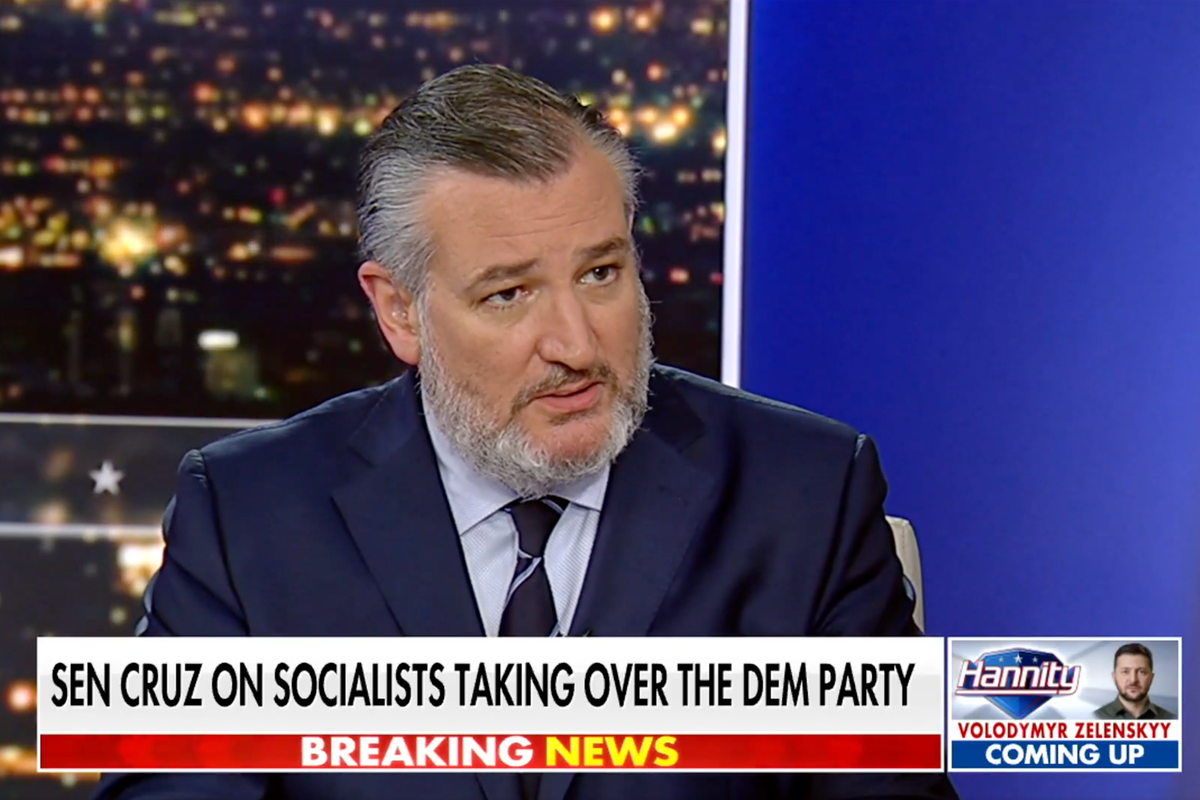
Power and immense personal fortune rarely mix well in the minds of everyday voters. When public figures step onto the national stage armed with private jets and billion-dollar bank accounts, a fundamental tension arises. Can someone whose life bears zero resemblance to the daily financial struggles of an average worker truly look out for their interests? Texas Senator Ted Cruz raised this exact philosophical dilemma during past campaign cycles, arguing that leaders sitting on massive private fortunes often lose touch with the people they are supposed to serve.
The friction between immense wealth and public service goes back centuries. Yet, modern political systems see an increasing number of self-funded candidates or ultra-rich figures attempting to capture the highest office in the country. Let's break down why this dynamic sparks fierce debate and what it actually means for the future of governance.
The Appeal of the Outsider Billionaire
Voters often lean toward wealthy candidates because of a specific narrative. Business success looks like competence from a distance. If someone builds a massive enterprise, manages thousands of employees, and navigates complex markets, common logic suggests they can run a government the same way.
Corporate titans-turned-politicians pitch themselves as independent operators. They claim they cannot be bought by special interests because they already have their own money. It sounds clean. It sounds efficient.
But government is not a corporation. A CEO answers to shareholders and holds absolute authority within operational structures. A president operates within a constitutional republic defined by checks, balances, and public accountability. When corporate logic meets public administration, the results often clash with democratic norms.
The Reality of Out-of-Touch Leadership
The core criticism leveled by figures like Cruz focuses on empathy and perspective. If you have never worried about paying for groceries, filling a gas tank, or affording unexpected medical bills, your policy blind spots will be massive.
Wealth creates a distinct bubble. Private security, private healthcare, and elite social circles insulate leaders from the consequences of legislation passed on Capitol Hill. When economic policies backfire on the working class, the ultra-wealthy feel none of the impact.
Critics argue that this disconnect breeds policies favoring capital accumulation over labor growth. Tax cuts for the highest brackets, deregulation of financial markets, and the erosion of social safety nets often look very different depending on your net worth.
The Danger of Self-Dealing and Regulatory Capture
Power attracts ambition, and when combined with private fortunes, it creates unique ethical vulnerabilities. History shows that public office can sometimes serve as a vehicle to protect or expand private business empires.
Regulatory capture happens when regulatory agencies created to protect the public end up serving the industries they are supposed to police. Billionaire leaders or officials deeply embedded in elite financial networks often appoint industry insiders to crucial oversight roles.
This dynamic leads to policies that safeguard monopolies, block consumer protections, and siphon public resources toward private entities. The system tilts away from open competition and toward entrenched privilege.
What Actually Needs to Change
Fixing this structural imbalance requires more than campaign rhetoric. Voters hold the ultimate leverage, but breaking the cycle of wealth-dominated politics demands structural shifts.
Stricter enforcement of conflict-of-interest laws represents a primary step. Requiring complete divestment or blind trusts isn't just a bureaucratic hurdle; it is a vital safeguard to ensure decisions are made for the public good rather than a personal balance sheet.
Transparency matters just as much. Voters deserve absolute clarity on how political decisions impact a leader's private holdings. Without aggressive oversight, public trust continues to erode.
Look past the flashy campaign ads and the promises of business-style efficiency. True public service requires an intimate understanding of the public's daily realities.
Ted Cruz: 'The Truth Is Washington Is Corrupt'
The archived footage provides context on how debates over political corruption and wealth have long shaped conservative critiques of Washington insiders.