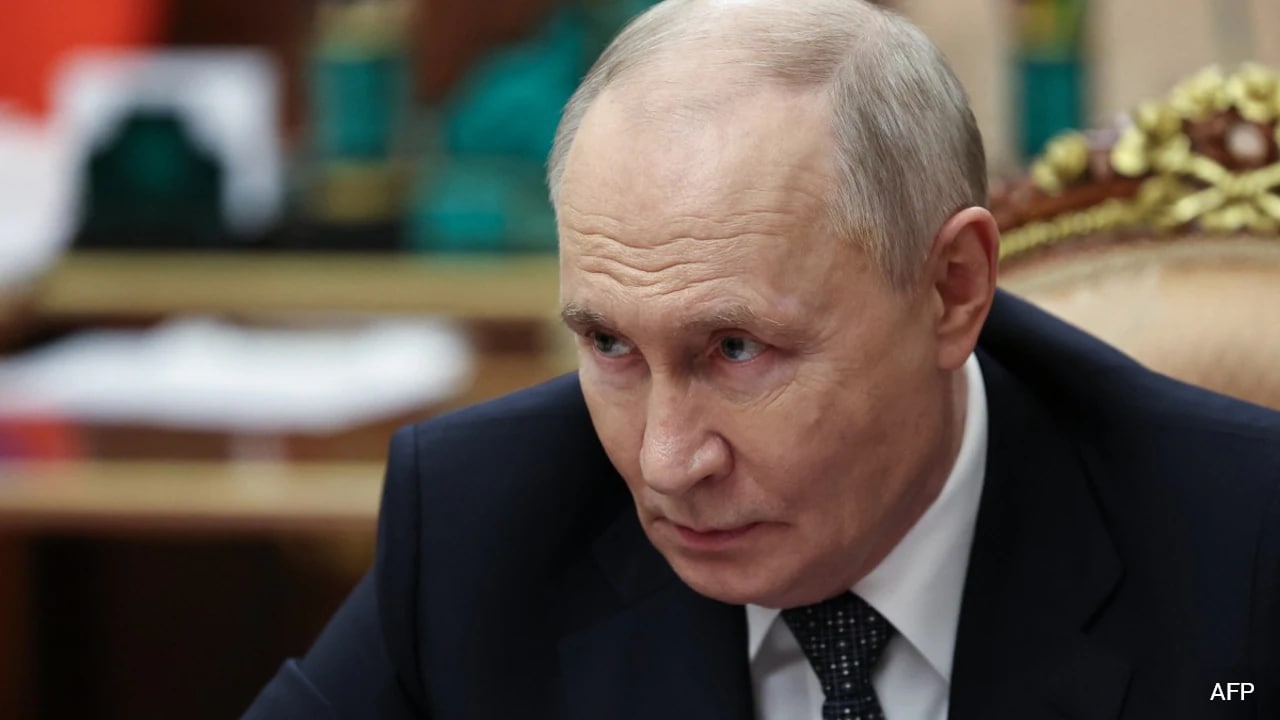
US intelligence agencies are sounding alarms about a quiet shift in Moscow's playbook. They believe Vladimir Putin might soon test NATO's Article 5 commitment through localized provocations.
We aren't talking about a massive, sweeping conventional invasion rolling across the Polish border. That would trigger an immediate, overwhelming military response from the entire alliance. Instead, Washington's security analysts point toward hybrid warfare, cyber strikes, sabotage campaigns, or small-scale border incursions in the Baltics.
Putin wants to find out if the Western coalition will actually risk a wider conflict over a minor, ambiguous border violation or a mysterious underwater cable cut.
The Anatomy of a Gray Zone Attack
When people picture a military conflict, they imagine tanks rolling and artillery firing. Real-world geopolitical friction rarely looks like that anymore. Russia has spent years mastering the gray zone. This territory sits comfortably below the threshold of an all-out war.
Think back to the mysterious drone flights over critical European energy infrastructure or GPS jamming incidents disrupting commercial aviation across the Baltic Sea region. These aren't random accidents. They're stress tests.
Intelligence reports suggest the Kremlin operates on a simple calculus. If NATO responds with bureaucratic hesitation, public division, or weak sanctions, the deterrent value of the alliance crumbles.
"Hybrid threats are designed to create plausible deniability while steadily eroding the security architecture of Europe."
Western defense officials know this game well. The real danger is salami-slicing tactics. You take a tiny slice of territory, or commit a minor act of sabotage, and wait to see if anyone is willing to start a major war over it. If nobody pushes back hard, you take another slice tomorrow.
Why the Baltic States Sit in the Crosshairs
Estonia, Latvia, and Lithuania remain the most vulnerable flanks in the alliance. These small nations share long borders with Russia and its close ally, Belarus. They also carry historical baggage that Moscow never really accepted.
Look at the geography. The Suwałki Gap—a narrow strip of land connecting Poland and Lithuania while separating Belarus from the Russian exclave of Kaliningrad—is basically a geopolitical choke point.
If Moscow wanted to test NATO's resolve without launching a full-scale war, a manufactured crisis in this specific corridor offers a terrifyingly neat blueprint. Picture local unrest, engineered migrant pressures at the border, and unmarked paramilitaries popping up overnight.
Local governments would scream for Article 5 assistance. Capitals like Berlin and Paris might hesitate, arguing over whether a localized riot or border scuffle constitutes a true armed attack. That hesitation is precisely what Putin is banking on.
The Deterrence Trap
Deterrence only works if the other side believes you will pull the trigger when things get real. That sounds simple on paper. In practice, keeping thirty-two sovereign nations aligned on a single definition of provocation is nearly impossible.
The US intelligence assessment highlights a dangerous asymmetry. Russia can make decisions in a single afternoon. NATO requires consensus.
Let's break down the core vulnerabilities the alliance faces right now:
- Energy and Data Infrastructure: Undersea fiber-optic cables and offshore wind farms are notoriously difficult to protect. Sabotaging them causes massive economic pain while keeping military casualties at zero.
- Cyber Warfare Fatigue: Critical government networks face daily probing. A successful disabling of power grids for just forty-eight hours in a small NATO member state would test emergency response systems to their absolute limit.
- Political Polarization: Elections across Western democracies constantly threaten to throw up leaders who question the value of foreign alliances. Moscow watches election polls just as closely as it watches troop movements.
Moving Past the Blueprint
Recognizing the threat is step one. Fixing it requires a complete overhaul of how Western security structures handle ambiguity. Waiting for a clear, undeniable invasion sign is a losing strategy because the other side refuses to give you one.
European capitals are finally beefing up domestic resilience. They're hardening power grids, securing undersea cables with dedicated naval patrols, and forward-deploying combat groups to the eastern edge.
You stop gray-zone tactics by making the cost of small provocations way higher than any potential political gain. If Moscow realizes that even a minor hybrid attack brings crushing economic isolation and immediate military reinforcement on their doorstep, the calculus changes fast.
Stop treating these incidents as isolated local policing issues. They're coordinated stress tests of the entire Western security umbrella.