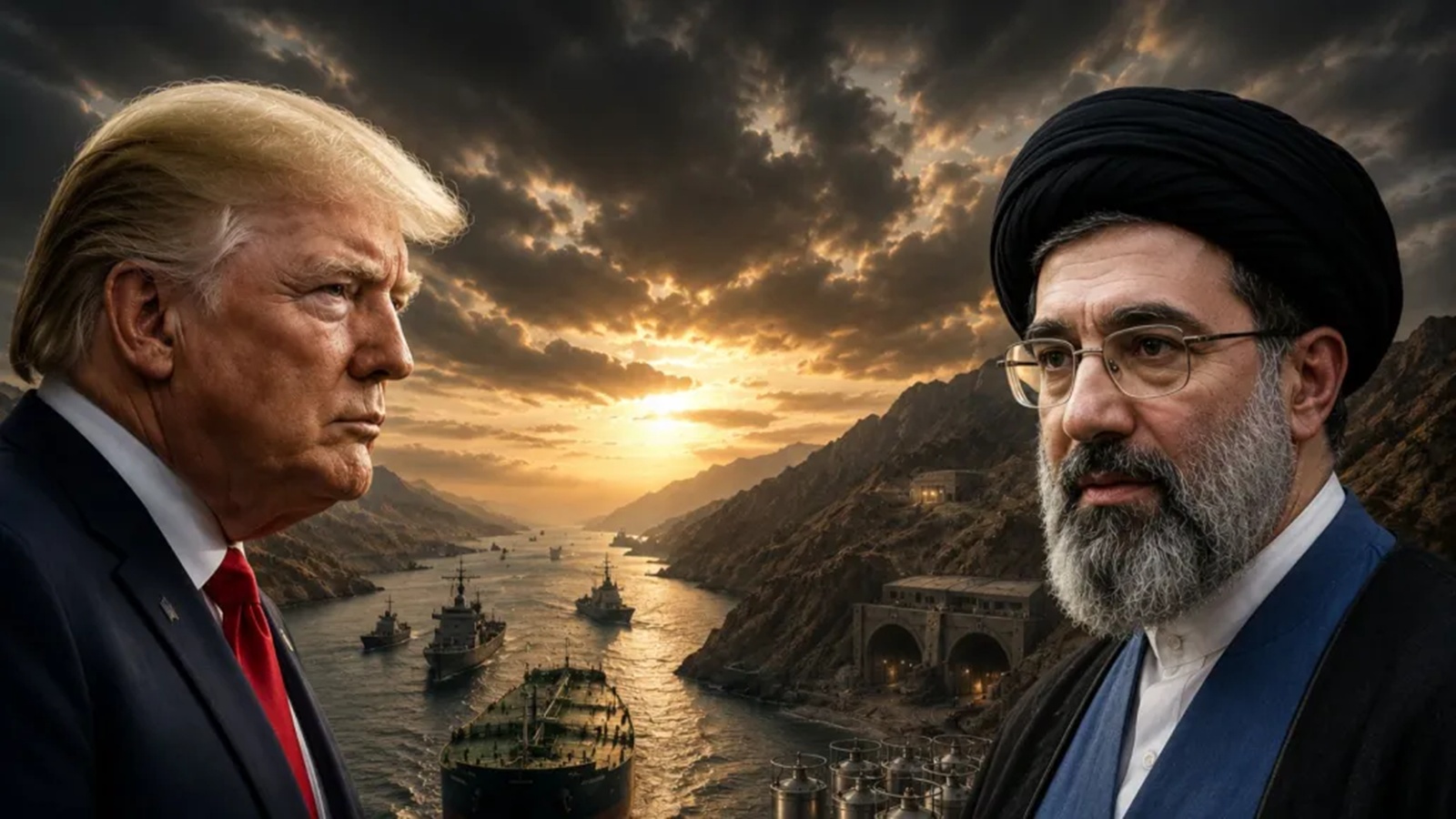
The 60-day clock has officially run out. The temporary peace memorandum signed between Washington and Tehran has fractured, leaving the vital Strait of Hormuz back in the crosshairs of geopolitical brinkmanship. If you expected a neat diplomatic resolution to the 2026 conflict, reality has proven far messier. The framework, brokered to halt hostilities and unblock critical global energy lanes, buckled under the weight of deep-seated distrust, competing legal interpretations, and unyielding domestic pressures on both sides.
Understanding why this arrangement failed requires looking past the glossy signing ceremonies and examining the irreconcilable friction points that doomed the text from day one.
What Was Inside the Failed Agreement
Back in June, the Memorandum of Understanding offered a sigh of relief to global markets. Oil prices dipped and shipping insurers tentatively updated their risk models. The structure relied on a strict 60-day window to transition from active warfare to a permanent settlement.
Under the terms, the United States agreed to phase out its punishing naval blockade of Iran over a 30-day period. Commercial traffic through the Strait of Hormuz—the maritime chokepoint carrying roughly a fifth of the world's petroleum supply—was supposed to resume normal operations. In exchange, Tehran committed to guaranteeing the safe passage of international tankers without interference.
The text deliberately kicked the hardest cans down the road. Contentious long-term matters, including Iran's highly enriched uranium stockpile and wide-ranging economic sanctions, were deferred to the final negotiations rather than solved upfront. That strategic omission proved fatal.
The Core Battleground Over the Strait of Hormuz
The entire framework unraveled over a single article regarding who actually controls the waterway.
Article 5 of the June memorandum became the epicenter of the dispute. Tehran interpreted the language as granting Iran the sovereign right to co-manage maritime services and transit rules within the strait alongside regional partners like Oman. Washington flatly rejected that reading, viewing it as an unacceptable surrender of international waters to a hostile state.
When Iranian forces moved to intercept or restrict commercial vessels attempting to transit the passage, the White House called foul. Fresh retaliatory strikes followed. By July, President Donald Trump declared the arrangement functionally dead, signaling that mutual violations had rendered the text meaningless.
Why the Deal Was Doomed From the Start
Agreements forged under the immediate pressure of economic strangulation rarely survive contact with domestic politics. Several structural flaws ensured this collapse:
- Zero Trust Environment: Nearly all fourteen points of the memorandum faced violations or disputes within weeks of signing. Neither military establishment believed the other would comply in good faith.
- The Nuclear Elephant in the Room: By postponing discussions on enrichment limits, the deal ignored the primary catalyst for the original outbreak of hostilities.
- Shifting Power Dynamics: Hardliners inside Iran gained momentum as regional negotiations dragged on, pushing Tehran toward a more aggressive posture rather than compromise.
Where the Conflict Goes From Here
With the 60-day window expired and no final treaty in place, Tehran has communicated a narrow ultimatum of a few weeks for Washington to implement earlier economic provisions or face renewed escalation. Iranian officials have signaled a shift back toward an offensive stance regarding regional security and maritime transit.
At the same time, separate backchannels involving Oman continue to crawl forward, though independent local management of the strait remains a non-starter for Western capitals. The temporary pause has evaporated, leaving global shipping lanes vulnerable and diplomacy hanging by a thread.