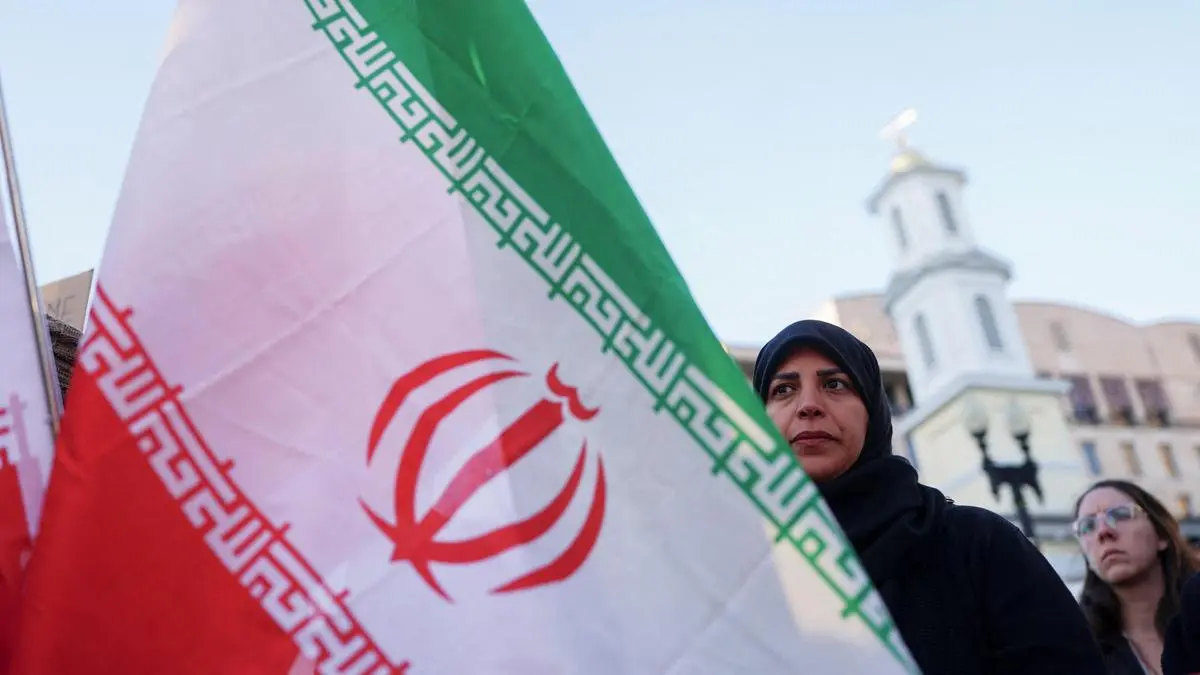
The world was hours away from watching Iranian power plants and bridges turn into rubble. Then, the clock stopped. On April 7, 2026, just before a 20:00 ET deadline that promised "destruction never to be brought back again," a breakthrough happened. Now, the United States and Iran are sending high-level delegations to Islamabad on April 10 for face-to-face talks that seemed impossible a week ago.
This isn't just another boring diplomatic summit. It's a 14-day ceasefire gamble brokered by Pakistan to prevent a regional collapse. If you’ve been following the news, you know the stakes couldn't be higher. Global oil prices are swinging wildly, the Strait of Hormuz is a ghost town, and two nuclear-capable powers—one with the bombs and one very close to them—are finally sitting in the same room.
Who is actually going to be in the room
The list of attendees tells you exactly how serious this is. This isn't a meeting for junior attaches or career bureaucrats. On the American side, Vice President J.D. Vance is leading the charge. He's bringing heavy hitters like Jared Kushner and Special Envoy Steve Witkoff. Having the Vice President lead the delegation signals that the White House wants a deal fast, likely to avoid the prolonged military "quagmire" the administration has criticized in the past.
Iran is playing a different hand. Their delegation is headed by Mohammad Baqer Qalibaf, the Speaker of Parliament. Qalibaf isn't just a politician; he's a veteran of the IRGC and a key wartime strategist. His presence suggests that any deal reached in Islamabad will have the backing of Iran's hardline legislative and military establishment. It’s a move designed to show the West that Iran is united, even after months of internal protests and external strikes.
The Pakistani masterclass in mediation
How did Islamabad pull this off? Honestly, it was a "godsend" for Prime Minister Shehbaz Sharif. Pakistan has spent years being accused of playing a "double game" in regional conflicts, but this time, they’re the only ones both sides trust enough to talk to.
Pakistan’s leverage comes from its 900-kilometer border with Iran and its deep strategic ties with the U.S. and Saudi Arabia. They proposed a two-phase "Islamabad Accord."
- Phase 1: An immediate 14-day ceasefire and the reopening of the Strait of Hormuz.
- Phase 2: A 45-day window to negotiate a permanent settlement.
By convincing President Trump to extend his deadline and getting Iran to agree to the temporary truce, Pakistan basically saved the region from an all-out energy war. They’re acting as the "trusted guarantor," a role that bolsters their diplomatic image at a time when their own economy is struggling under the weight of the 2026 conflict.
What each side wants on the table
The gap between Washington and Tehran is still a canyon. The U.S. is demanding the total dismantling of Iranian nuclear sites and a permanent end to proxy support for groups like Hezbollah. For the Trump administration, the goal is "peace through strength"—essentially telling Iran to disarm or face total infrastructure "demolition."
Iran, however, has submitted its own 10-point proposal through the Pakistani mediators. They aren't coming to the table as a defeated nation. Their demands include:
- Lifting all sanctions that have plagued them for 45 years.
- Unfreezing billions in Iranian assets held abroad.
- A protocol for the Strait of Hormuz that might include transit fees for international shipping.
- Guaranteed security that prevents future strikes on their soil.
It's a tough sell. Iran insists on its right to enrich uranium, while the U.S. says that's a non-starter. The middle ground is incredibly narrow.
The Strait of Hormuz factor
The biggest reason you’re feeling the heat at the gas pump is the Strait of Hormuz. Since the conflict escalated in February 2026, Iran has effectively throttled one of the world's most vital energy arteries. While some Iranian-linked ships moved through, most global shipping stopped, terrified of being caught in the crossfire.
A huge part of the April 10 talks involves "maritime security." The U.S. wants the Strait reopened immediately to restore global oil flow. Iran is using the Strait as its primary bargaining chip. They know that if they open the taps, the pressure on the global economy eases, but they lose their best defense against further U.S. strikes. Watch for a deal where the Strait opens in exchange for a partial, temporary lifting of oil sanctions.
Why this time might be different
Skepticism is the only logical reaction here. We’ve seen "peace pushes" fail before. But 2026 is different. Iran’s legitimacy has been shaken by massive internal protests and a weakened economy. The U.S. is facing intense domestic pressure to avoid another long-term war.
Also, the involvement of Saudi Arabia shouldn't be ignored. Islamabad reminded Tehran that Pakistan has defense obligations to the Saudis. If Iran had kept targeting Gulf installations, Pakistan might have been forced to join a Saudi-led coalition against them. By mediating, Pakistan avoided a war it couldn't afford and gave Iran a way to de-escalate without looking weak to its own people.
If you’re looking for the next signs of success, don't just watch the headlines from the meeting. Watch the tankers. If oil starts moving through the Strait of Hormuz by April 15, the Islamabad talks worked. If the delegations leave early with "no comment," expect the military strikes to resume with a vengeance.
The first step for anyone following this is to monitor the official statements from the Pakistani Foreign Office on April 11. They'll be the ones to confirm if the 14-day ceasefire is being extended or if the "Islamabad Accord" is dead on arrival.