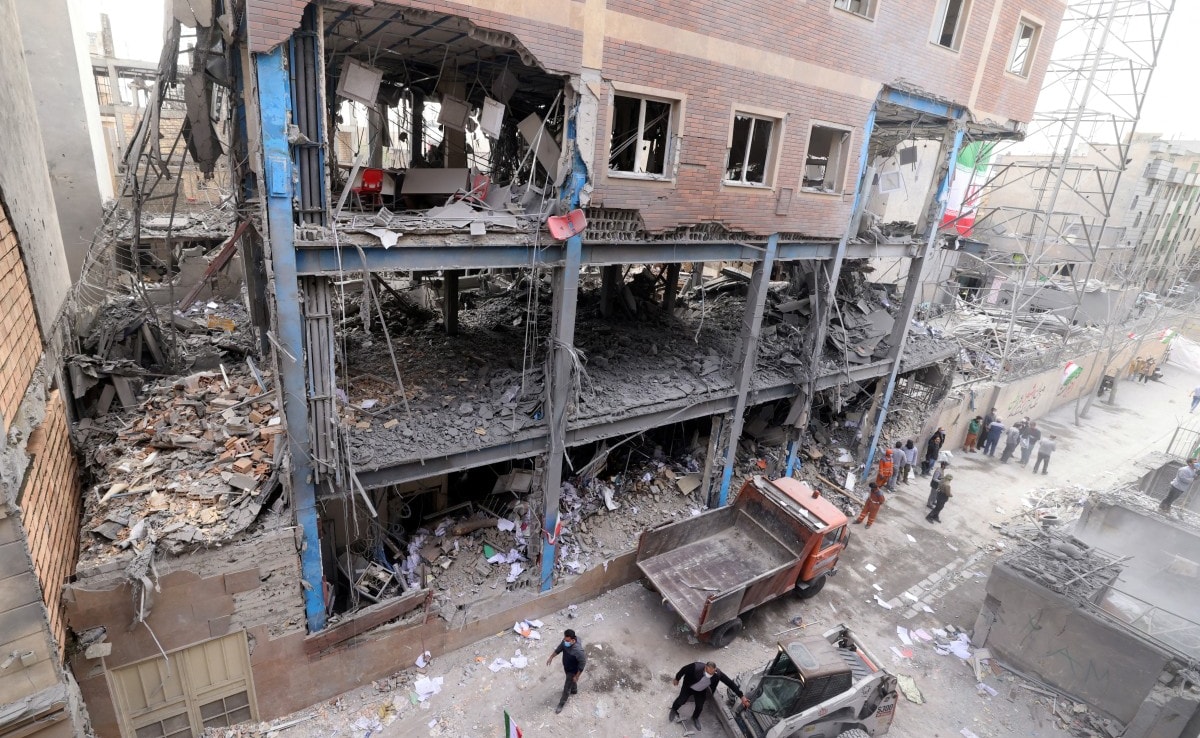
You’d think a ceasefire between the two biggest players in a regional war would bring a moment of silence. It didn't. Just hours after the United States and Iran agreed to a two-week "step back from the brink," Beirut shook under the weight of the heaviest Israeli airstrikes seen in years. It’s a jarring, bloody contradiction that leaves Lebanon trapped in a loophole.
While the world leaders in Washington and Tehran are patting themselves on the back for avoiding a "civilizational collapse," people in central Beirut are pulling bodies from the rubble of apartment buildings. The disconnect is staggering. Read more on a connected issue: this related article.
The Ceasefire Loophole That Left Lebanon Behind
The core of the problem is simple and devastating: Israel doesn't think this deal applies to Lebanon. While mediators like Pakistan insisted the truce covered all fronts, Israeli Prime Minister Benjamin Netanyahu was quick to clarify that his war against Hezbollah is a separate issue entirely.
To the Israeli military, the US-Iran deal is about state-on-state de-escalation. It isn't a hall pass for Hezbollah. More journalism by The Guardian delves into related views on the subject.
Lebanese Prime Minister Najib Mikati welcomed the news of the US-Iran truce with a desperate kind of hope. He’s been calling for "regional peace" that actually includes his country, but his influence is limited. Mikati is presiding over a nation that has seen its infrastructure shredded and nearly a fifth of its population displaced. For him, a ceasefire that doesn't stop the jets over Beirut isn't much of a ceasefire at all.
A Blue Sky Afternoon Turned to Black Smoke
Wednesday afternoon in Beirut started out normally. The sun was out, traffic was honking, and there was a slight sense of relief following the news from Washington. That vanished in ten minutes.
The IDF launched what it called its largest coordinated strike of the current campaign. Over 100 targets were hit in a massive wave that spanned the capital, the south, and the Bekaa Valley.
- No Warning: Unlike previous strikes, many of Wednesday's hits came without evacuation orders.
- Central Targets: Bombs fell on dense commercial and residential neighborhoods in the heart of the city.
- Mass Casualties: Early reports from the Lebanese Red Cross suggest over 300 casualties in a single afternoon.
The timing felt intentional. It sent a clear message that while the US and Iran might be talking, the local war is only accelerating.
Why the US and Iran Stepped Back
You might wonder why Donald Trump and the Iranian leadership suddenly decided to play nice for 14 days. It wasn't out of the goodness of their hearts.
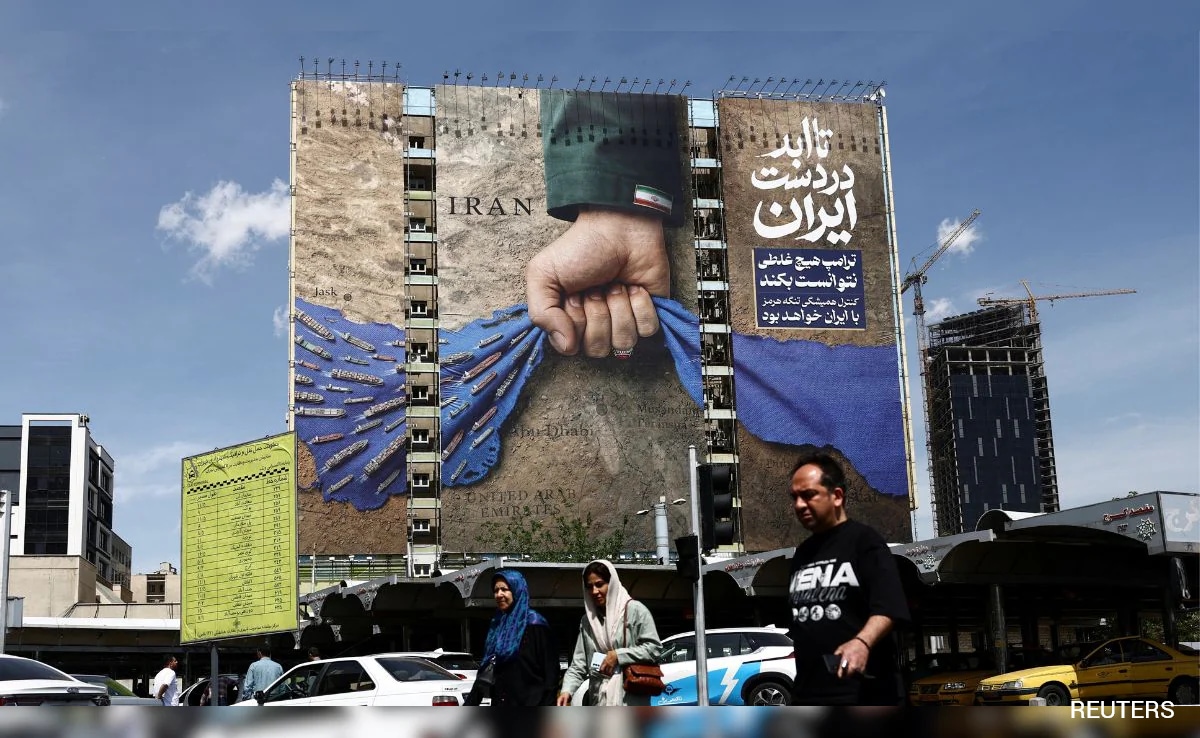
The rhetoric leading up to this had reached a fever pitch. Trump had warned that a "civilization will die tonight" if a deal wasn't reached. Iran had responded by closing the Strait of Hormuz, effectively choking global oil supplies. Both sides realized they were inches away from a total war that neither could afford—or likely win—without catastrophic domestic consequences.
The two-week window is a "fragile truce," as JD Vance put it. It’s designed to allow for negotiations in Islamabad, where Iran has supposedly agreed to discuss its uranium enrichment. But for the people in Lebanon, this "peace" looks exactly like war.
The Humanitarian Reality on the Ground
If you're looking for the real cost of this diplomatic disconnect, look at the displacement numbers. Around 1.2 million people in Lebanon are currently homeless. That’s nearly 20% of the country. They’re living in schools, parking lots, and overcrowded shelters in the very areas of Beirut that were just hit.
Haneed Sayed, Lebanon’s Minister of Social Affairs, pointed out the obvious danger: half of the country's displaced persons are sheltering in the exact neighborhoods Israel is now targeting. There’s nowhere left for them to go.
What Happens Next
The next few days are critical. If the US-Iran talks in Pakistan show any signs of progress, there will be immense pressure on Israel to fold Lebanon into the agreement. However, the IDF has already signaled that these weren't "closing strikes." They’re prepared to keep going until Hezbollah is effectively dismantled or pushed back from the border.
If you're following this, don't just look at the headlines about "peace" in Washington. Watch the bridges over the Litani River and the skyline of Beirut. That’s where the real story is being written.
If you want to help, look into organizations like the Lebanese Red Cross or Médecins Sans Frontières (MSF), who are currently the only ones standing between the survivors and total collapse. They need medical supplies and fuel more than they need diplomatic statements.