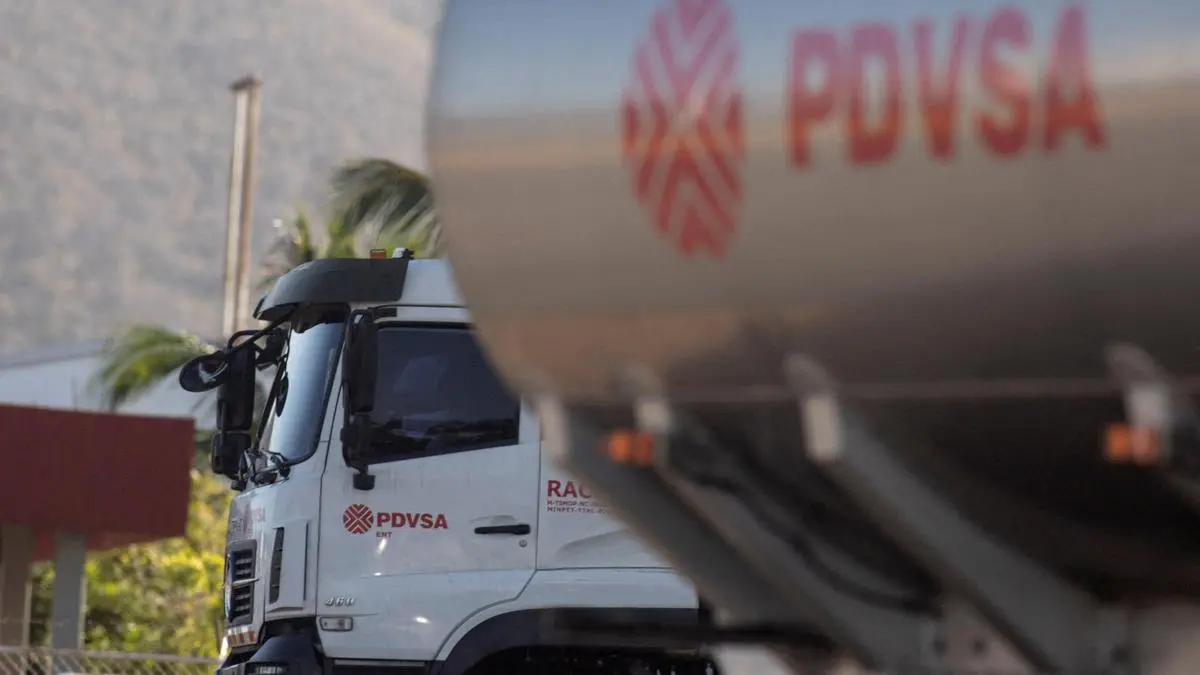
The United States has effectively hit the panic button on global energy security. On Wednesday, the Treasury Department issued a sweeping license allowing Petróleos de Venezuela S.A. (PDVSA) to resume direct crude sales to American companies and international markets. This is not a sudden burst of diplomatic goodwill. It is a calculated, desperate attempt by the Trump administration to prevent a total domestic economic meltdown as the war with Iran chokes the world's most vital energy artery.
By reopening the spigots in Caracas, Washington is acknowledging a brutal reality. The military campaign against Tehran—Operation Epic Fury—has triggered the largest supply disruption in the history of oil markets. With the Strait of Hormuz effectively shuttered and Brent crude screaming past $100 per barrel, the administration is forced to embrace a former adversary to keep American gas stations from running dry.
The Hormuz Chokehold and the Dash for Heavy Crude
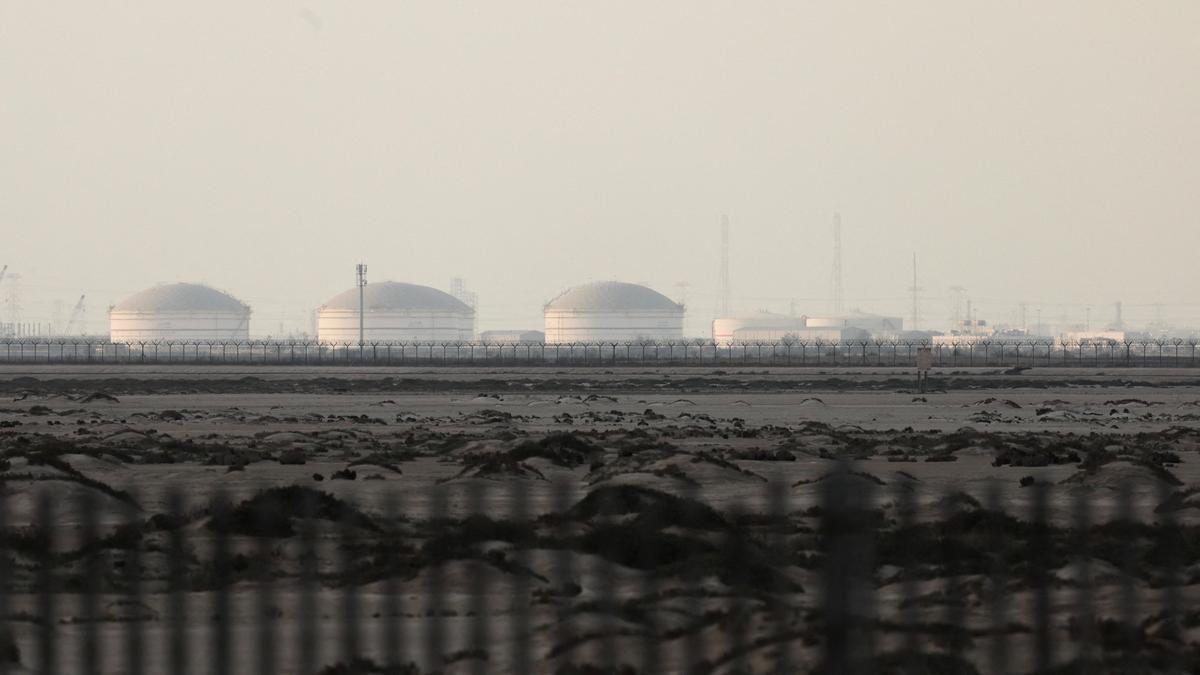
The math driving this policy shift is as cold as it is urgent. Roughly 20% of the world’s oil typically flows through the Strait of Hormuz. Since the escalation of hostilities in early March, that flow has been reduced to a trickle. The Iranian blockade, compounded by drone strikes on Saudi and Qatari infrastructure, has wiped out an estimated 10 million barrels per day of global supply.
Washington’s decision to ease Venezuela sanctions is an admission that the International Energy Agency’s record-breaking release of 400 million barrels from strategic reserves was a mere bandage on a severed artery.
Venezuela sits on the world’s largest proven oil reserves—over 303 billion barrels. While the country’s infrastructure has suffered from years of decay and underinvestment, it represents the only meaningful "spare capacity" left on the planet that isn't under the thumb of a hostile regime or trapped behind a naval blockade. The new Treasury license allows any U.S. entity that existed before January 29, 2025, to engage in transactions with PDVSA, effectively ending the pariah status of Venezuelan oil.
The Financial Guardrails
This is not a total surrender of leverage. The White House is attempting to "run" the Venezuelan oil industry through a complex financial bypass.
- Controlled Escrow: Payments for Venezuelan crude cannot go to PDVSA or the transitional government directly. Instead, funds are routed into a U.S.-controlled account, likely based in Qatar, to ensure the cash isn't diverted to remaining Maduro loyalists or adversarial actors.
- Geopolitical Exclusion: The license strictly prohibits any deals involving Russia, North Korea, Cuba, or specific Chinese entities.
- Debt Freezing: Transactions involving Venezuelan sovereign debt or PDVSA bonds remain strictly prohibited to prevent a speculative frenzy in the credit markets.
The Jones Act Sacrifice
In a move perhaps even more telling than the Venezuela pivot, President Trump issued a 60-day waiver of the Jones Act. This 1920s-era law requires goods shipped between U.S. ports to be carried on American-built, American-crewed vessels. By suspending it, the administration is allowing foreign-flagged tankers to move oil and liquefied natural gas (LNG) between the Gulf Coast and the Northeast.
This is a rare and politically risky admission that the domestic logistics chain is broken. Without the waiver, the cost of moving fuel from Texas refineries to New York harbors would remain prohibitively expensive, further inflating the "war premium" that has already pushed U.S. gasoline prices above $4.00 per gallon.
The Ghost of Production Past
Can Venezuela actually save the American consumer? The short answer is: not today.
In 1999, Venezuela pumped 3.5 million barrels per day. By 2020, that number had collapsed to less than 400,000. While current production has stabilized near 800,000 barrels per day, the road back to relevance is paved with rusted pipes and looted refineries.
Industry analysts suggest that even with a massive influx of American capital from giants like Chevron, it will take 12 to 18 months to see a significant spike in output. Chevron, which already produces about 200,000 barrels per day through its joint ventures in the Orinoco Belt, believes it can boost that by 50% within two years. But a 100,000-barrel increase is a drop in the bucket when the world is missing 10 million.
The real goal of the sanctions relief isn't an immediate flood of oil. It is about market psychology. The administration is trying to signal to commodity traders that the "America First" energy policy is flexible enough to find oil anywhere, even in the backyard of a regime it once tried to topple.
The Price of Stagflation
The timing of this pivot is dictated by the calendar. With midterm elections looming, the "Trump Boom" is under direct threat from a "70s-style" stagflationary spiral. The consumer price index is already reflecting the energy shock, and the Federal Reserve is facing the nightmare scenario of rising inflation coupled with a war-induced slowdown in growth.
If the Strait of Hormuz remains closed for another month, the global economy risks a recession that no amount of Venezuelan heavy crude can prevent. The administration is betting that by bringing Venezuela back into the fold, it can create a medium-term price ceiling.
Critics argue this move rewards a corrupt leadership structure in Caracas that remains loyal to the old guard. However, in the war rooms of Washington, the moral hazard of funding Caracas is currently viewed as a secondary concern compared to the existential threat of $150 oil.
The gamble is simple. The U.S. is trading its long-term foreign policy consistency for short-term energy survival. Whether the Venezuelan oil fields can be revived fast enough to matter remains the multibillion-dollar question. For now, the world's largest oil reserves are no longer a forbidden fruit; they are a lifeline.
The success of this strategy hinges entirely on whether American oilfield service companies are willing to send crews into a country with a crumbling power grid and a volatile political climate while the Middle East is on fire.