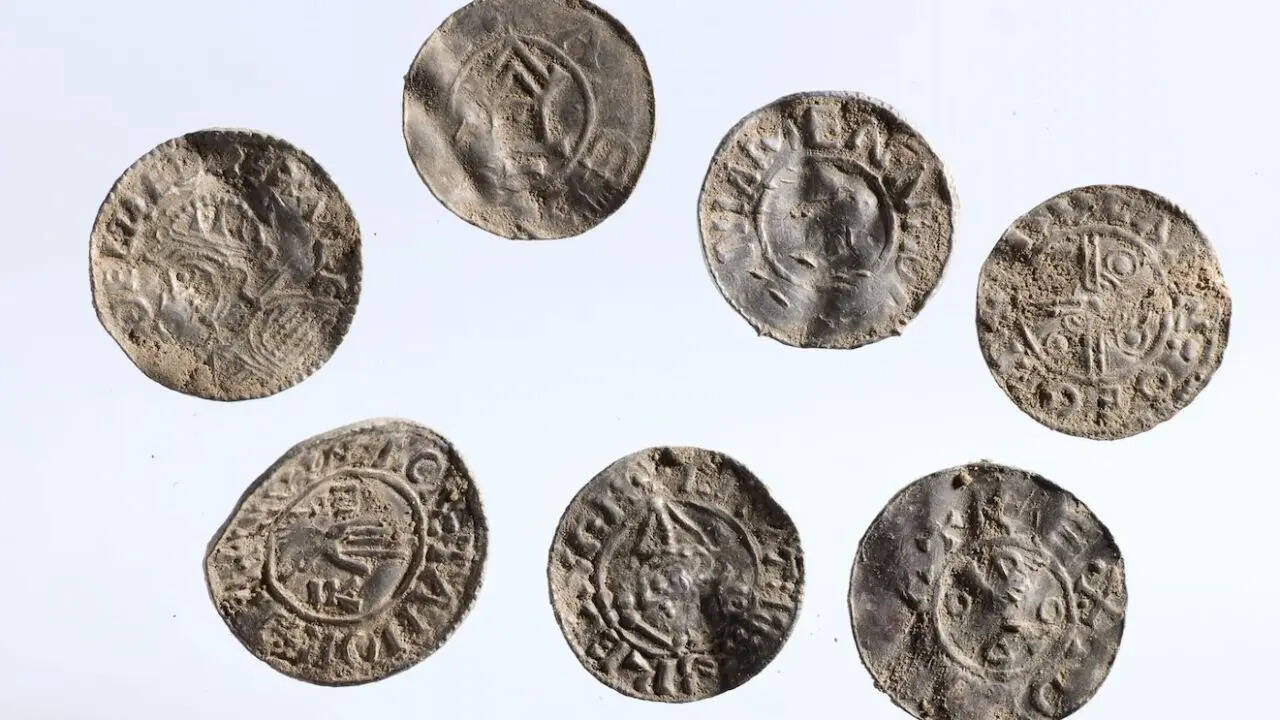
Archaeologists are popping champagne over a pile of dirty silver in Norway. They call it a "window into the Viking Age." They talk about "hidden wealth" and "untold riches" as if they just found the keys to a forgotten kingdom. They are looking at the dirt when they should be looking at the data.
Finding 3,000 silver coins buried in a field isn't a celebration of Viking prosperity. It is a forensic report of a catastrophic systemic failure.
In the archaeological community, there is a lazy consensus that hoards represent "ritual offerings" or "safekeeping for a rainy day." This narrative treats the Vikings like squirrels hiding nuts for a winter that never came. It’s a romanticized, Disney-fied version of history that ignores the brutal realities of eleventh-century liquidity.
You don't bury your entire net worth in a hole unless the world outside that hole is screaming.
The Liquidity Trap of the North
Let’s talk about what a "hoard" actually is in economic terms. It is dead capital.
When you see a massive influx of silver—likely Samanid dirhams and Anglo-Saxon pennies—sitting under a Norwegian rock for a millennium, you aren't looking at a thriving economy. You are looking at a total collapse of trust.
In a functioning market, silver moves. It circulates. It buys ships, pays mercenaries, and builds infrastructure. When the silver stops moving and starts being shoveled into the ground, it means the velocity of money has hit zero. The "Great Norwegian Hoard" is a 1,000-year-old receipt for a bank run.
I have spent years analyzing how modern decentralized finance mirrors these ancient "dark pools" of capital. The parallels are staggering. Just as modern investors "cold storage" their crypto when they lose faith in centralized exchanges, the Viking elite yanked their silver out of circulation because the social contract in Scandinavia was shredding at the seams.
Why the Ritual Theory is Absolute Garbage
Most academics will tell you these coins were buried to please Odin or to ensure wealth in the afterlife. This is the ultimate "get out of jail free" card for historians who can’t explain the math.
Imagine a scenario where a modern billionaire burns a billion dollars in cash on his front lawn. Would we call that a "strategic spiritual investment"? No. We would call it a mental breakdown or a desperate attempt to keep the money out of the hands of the taxman.
The "ritual" explanation is a placeholder for ignorance. The Vikings were pragmatic, seafaring venture capitalists. They didn't get rich by throwing their profits into the mud. They buried this silver because they were terrified.
Between the years 950 and 1050, the Viking world was undergoing a violent, forced conversion to Christianity and a shift toward centralized monarchy. The old ways of "gift-giving" economies were being replaced by heavy-handed royal taxation. This hoard wasn't an offering to the gods; it was a tax evasion strategy that the owner didn't live long enough to finish.
The Myth of "Viking Wealth"
We need to stop using the word "massive" to describe these finds. 3,000 coins sounds like a lot until you realize it’s barely enough to pay a small crew of professional warriors for a single season.
This find reveals the fragility of the Viking "silver standard." These weren't coins in the way we think of them—standardized units of value backed by a central bank. They were "hacksilver." They were valued by weight and purity.
- The Purity Problem: Most of these coins are likely debased.
- The Conversion Cost: Moving from a dirham-based economy to a localized Norwegian minting system created massive "slippage."
- The Security Risk: Storing wealth in silver made you a walking target.
The reason this hoard remained "hidden for 1,000 years" isn't because it was well-concealed. It’s because the person who put it there was likely murdered or died in exile before they could dig it back up. This isn't a treasure chest; it’s a crime scene.
The Technology of Greed
We are obsessed with the "discovery" because we love the idea of unearned riches. Metal detectorists and hobbyist archaeologists treat this like a lottery win. But the real story is the technology of the coins themselves.
The Viking Age was the first true era of globalized trade. We find silver from Baghdad in the fjords of Norway. This wasn't "exploration." It was a desperate search for yield. The Vikings were the original arbitrage traders. They realized that silver was undervalued in the East and overvalued in the West.
They exploited that spread until the silver mines in the Abbasid Caliphate began to run dry. When the supply of silver from the East choked off around the late tenth century, the Viking economy didn't just slow down—it shattered. This hoard represents the literal "end of the line." It is the final, frantic accumulation of a dying trade route.
Stop Asking "How Much is it Worth?"
The media always asks the same boring question: "What is the market value of these coins today?"
This is the wrong question. It’s the question of a tourist, not a strategist. The real question is: "What did the removal of this silver do to the local economy in 1050?"
When 3,000 coins are pulled out of a local ecosystem, prices for livestock, grain, and labor don't just shift—they stagnate. Hoarding is a selfish act that cripples communities. The person who buried this hoard was effectively sucking the oxygen out of their local village.
We should stop viewing these hoarders as "legendary Vikings" and start seeing them as the 1% of the Dark Ages who chose to let their capital rot rather than invest it in their people.
The Professional’s Guide to Ignoring the Hype
If you want to actually understand the Viking Age, ignore the shiny objects. Follow the lack of them.
The most successful Viking settlements aren't the ones where we find buried gold. They are the ones where we find nothing—because the money was being used. It was being spent on better plows, sturdier walls, and more efficient trade networks.
A hoard is a sign of a dead end. It’s a monument to "hunker down" mentality.
I’ve seen this in the tech sector a dozen times. Companies with "massive" cash reserves that refuse to innovate or spend. They sit on their hoard while the market moves past them. Then, centuries later, people dig through the ruins and wonder why such a "wealthy" entity vanished.
They vanished because you can’t eat silver, and you can’t build a future when you're too busy staring at a hole in the ground.
Stop romanticizing the hoard. Start studying the collapse.
The silver is just the debris of a failed state. The real treasure is the lesson in what happens when a society stops trusting its own currency.
If you're still looking for "hidden Viking gold," you've already lost the game. The smart money stayed above ground, got spent, and built the world we live in today. The losers left their silver in the dirt for us to find.