Trusting the Kremlin's word on ceasefires is a fool's errand. History tells us that every single pause in hostilities offered by Moscow usually serves one strategic purpose. It buys time to regroup, rearm, and launch a harder assault. Now, high-stakes diplomacy is back in motion. Jared Kushner and Steve Witkoff are touching down in Moscow. They are carrying backchannel messages from Washington. They want to see if Vladimir Putin will commit to halting the carnage. Don't hold your breath.
The Broken Promise Playbook
You need to look at the pattern. Russia signed Minsk agreements that went nowhere. Moscow announced humanitarian corridors during the early days of the full-scale invasion only to shell fleeing civilians. Last year brought short-lived holiday truces that crumbled within hours. Artillery fire resumed before the smoke even cleared.
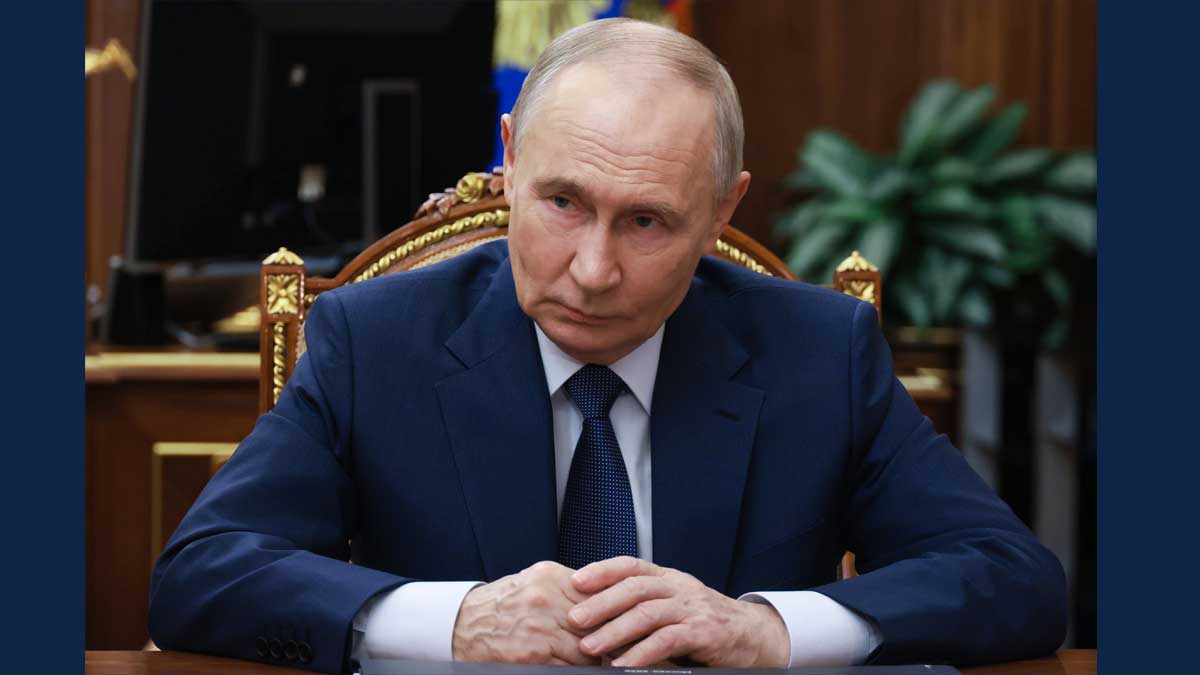
Putin treats diplomatic overtures as tactical breathing room. When Western delegations fly to Russia, the state-controlled media spins the visits as proof of Western weakness or desperation. They frame negotiations as capitulation. If you think a high-profile visit from a U.S. presidential envoy changes the calculus of a wartime dictator, you haven't been paying attention.
Moscow understands force. It respects leverage. It views diplomatic charm offensives as openings to extract concessions without surrendering territorial gains.
What the Kushner and Witkoff Mission Actually Means
Backchannel diplomacy happens outside traditional diplomatic channels for a reason. Career state department officials are often bound by rigid policy frameworks and public messaging constraints. Envoys operating under direct presidential authority can bypass the bureaucracy. They can pitch unconventional land swaps, sanctions relief timelines, or energy deals directly to the decision-makers.
That sounds pragmatic on paper. In reality, it signals urgency to the Kremlin. Putin knows the domestic political pressure facing Western leaders. He knows that fatigue is setting in across allied capitals. When special envoys show up in Red Square, the Russian president sees a counterpart who wants a deal more than he wants total victory. That imbalance kills negotiations before they start.
You have to ask what Washington is actually offering behind closed doors. Are they pushing for a permanent territorial freeze along current frontlines? Are they offering to lift banking restrictions in exchange for a frozen conflict? Whatever the terms, the Kremlin is calculating whether they can simply take the concessions, wait out the political cycle, and finish the job later.
The Trap of Temporary Truces
A three-day ceasefire sounds humane. It gives rescue workers a chance to pull bodies from rubble. It lets hospitals resupply. It offers terrified families a momentary sigh of relief. But temporary truces heavily favor the defender or the aggressor depending entirely on who needs logistical repairs.
Russian forces have spent months grinding through eastern defensive lines. They have suffered staggering casualty rates. They need armored vehicle replacements, artillery shell resupply, and troop rotations. A three-day halt gives them precisely the logistical window required to fix supply chain bottlenecks.
Ukrainians know this trap intimately. They have lived it. Every time politicians in foreign capitals propose a pause in the fighting, front-line commanders brace for a heavier barrage the moment the clock runs out.
How to Read the Real Signals
Ignore the press releases coming out of government ministry briefings. Pay attention to what logistics hubs are doing on the ground. Watch the rail lines moving ammunition through Belarus and western Russia. Look at refinery outputs and drone factory shifts.
Diplomacy without enforcement mechanisms is just theater. If the United States wants to test whether Putin will keep his word, the terms cannot rely on good faith. Good faith does not exist in this war. The price of breaking a ceasefire must be immediate, catastrophic, and inescapable.
Until Washington and its allies are willing to impose costs that outweigh the value of territorial conquest, every diplomatic trip to Moscow is just another photo op for a dictator who is laughing behind closed doors. Keep your eyes on the front lines, not the tarmac. That is where the real answer always lies.