Hundreds of thousands of people can cast their ballots before a party ever shows its math. That timing gap matters more than most voters realize.
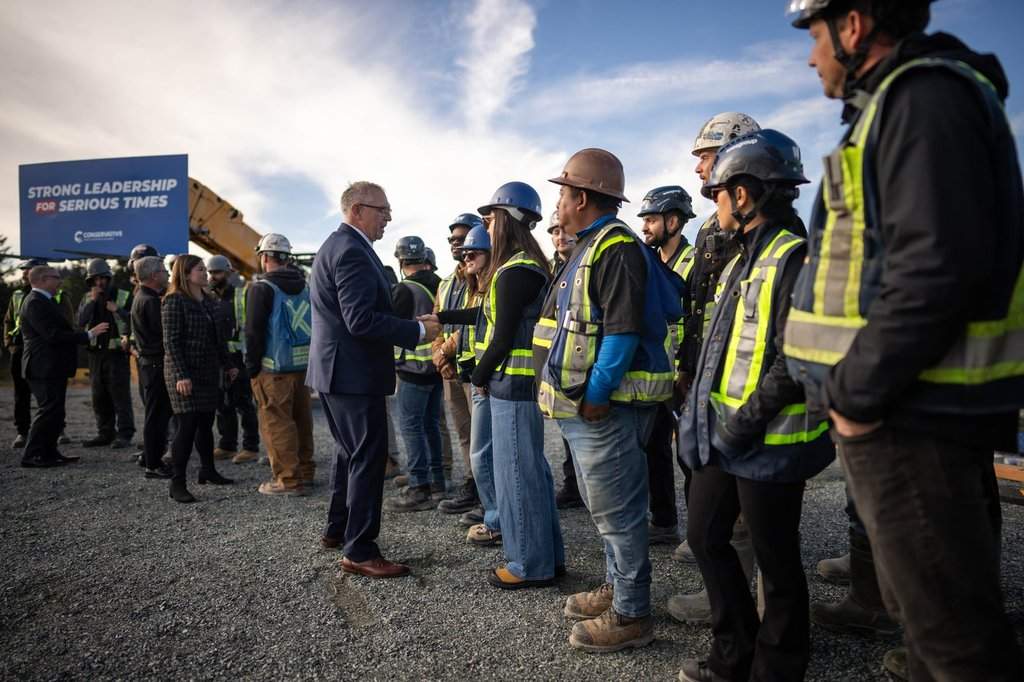
When advanced polls open in British Columbia during a provincial election, campaigns usually hit peak noise. Leaders crisscross swing ridings, promise tax relief or infrastructure overhauls, and ask for trust right now. In the October 2026 B.C. provincial election, interim Conservative leader Lorne Doerkson told voters a costed platform was coming soon right as advance voting got underway on October 16, 2026. By the time the Conservatives released their fiscal numbers on Sunday afternoon, October 18, hundreds of thousands of British Columbians had already voted in advance ahead of the October 24 general election.
Honestly, that sequence puts voters in an awkward spot. You either vote early on faith or wait and hope the numbers look solid when they finally arrive.
Why Advance Voting Changes The Costed Platform Game
Advance voting isn't a fringe convenience anymore. Across Canadian elections, huge chunks of the electorate vote before election day, especially when campaigns are tight and schedules get busy. In October 2026, Elections BC reported 337,961 voters casting ballots in the first two days of advance polls alone, with numbers climbing past half a million early in the window.
Once someone drops a ballot in the box, their decision is locked in. If a party drops its fiscal plan two days into advance voting, early voters never get to weigh the revenue assumptions, spending cuts, or deficit math before deciding.
Opponents pounced on that delay immediately. B.C. NDP Leader David Eby argued that Doerkson's promises added up to roughly $5 billion without a clear explanation of how they'd be funded, accusing conservatives of relying on service cuts to pay for pledges. From a voter's perspective, the timing question is simple: if a party wants your vote during advance polls, why ask you to sign a blank cheque first?
What Voters Actually Miss When Numbers Arrive Late
A press release saying "a costed platform is coming soon" tells you almost nothing about trade-offs. Real fiscal plans live in the details—and details take time to read properly.
When a costing document drops mid-vote, three things usually get squeezed:
- Revenue assumptions: Does the plan rely on optimistic resource royalties, economic growth targets, or new business activity that could stall if trade friction worsens?
- Spending offsets: Are savings coming from real, named program changes, or broad pledges like hiring freezes, cutting consultants, and reviewing ministry budgets?
- Deficit trajectory: Will the deficit actually shrink on schedule, or just shift around between operating budgets and contingencies?
In B.C.'s 2026 campaign, the Conservatives' released platform projected $2.6 billion in new revenue over three years, aimed to shrink the deficit to $10.8 billion by 2030, and banked on 3.2 per cent economic growth by 2029. Critics and economists questioned whether those growth assumptions held up given U.S.–Canada trade uncertainty and how the numbers stacked up against B.C.'s projected fiscal shortfalls.
Inside The Costed Platform Debate In B.C.
A costed platform sounds technical, almost dry, until you translate it into everyday household stakes. Tax cuts, healthcare staffing, transit megaprojects, and public-sector jobs all collide on the same balance sheet.
During the 2026 race, the B.C. Conservatives pitched a broad set of priorities—including provincial income tax relief, keeping emergency rooms open, scrapping the NDP's Massey Tunnel replacement in favour of a bridge, and expanding liquefied natural gas production. Once the costed numbers came out, the argument shifted from slogans to credibility.
The NDP argued the math didn't add up and warned that tight contingencies or rosy growth forecasts could turn into backdoor pressure on healthcare and public services. Conservatives pushed back against fearmongering, insisting they were focusing on restraint, cutting outside consultants, using attrition in the public service, and growing the economy rather than gutting core public health care.
A costed platform isn't a magic wand. It's a set of bets on growth, restraint, and political will—and voters deserve time to judge whether those bets are realistic.
That debate highlights a recurring tension in provincial politics. Campaign promises are easy to announce in week one of a snap election. Line-by-line fiscal tables take longer to assemble, especially when parties are reacting to shifting economic conditions or trying to avoid handing opponents easy targets early. Still, releasing numbers after advance voting starts looks tactical even when campaigns claim they're just finishing the math.
Why Growth Forecasts Spark So Much Pushback
Economists and political opponents almost always scrutinize growth projections in party platforms because a small change in growth can swing billions of dollars over a few years.
If a government assumes strong growth and cuts taxes or increases commitments early, what happens if growth comes in slower? Something has to give—either deficits stay higher for longer, borrowing rises, or spending gets trimmed later. When trade relationships with major partners like the United States feel unpredictable, bold multi-year growth targets face extra skepticism.
That doesn't mean every opposition critique is neutral, either. Governing parties and challengers both cherry-pick baselines, argue over definitions, and frame rival math in the worst possible light. Watching how independent analysts and journalists dissect the assumptions matters way more than taking either side's press release at face value.
Practical Moves For Voters Before Voting Early
You don't need an economics degree to make a sharp call when advance polls open and a party promises numbers soon. A few simple habits can save you from second-guessing your ballot later.
- Check the release calendar before you head to advance polls. Look at when key platform documents are scheduled to drop, and decide whether waiting a couple of days is worth seeing the full fiscal table.
- Separate one-time savings from recurring costs. Freezing outside hiring or reviewing ministry spending can help around the edges, while permanent tax cuts or ongoing program expansions repeat every single year.
- Read beyond headline deficit numbers. Check what assumptions sit underneath—especially projected GDP growth, revenue sources, and whether contingencies are being squeezed.
- Verify voting rules directly with Elections BC. Confirm advance voting dates, ID requirements, and mail-in or district polling options on Elections BC so logistics never force you to rush your decision.
Voting early is genuinely convenient, and plenty of people know exactly where they stand before the first advance ballot is cast. When a major party says its costed platform is coming soon, though, holding off until you see the actual numbers is one of the smartest ways to protect your vote.