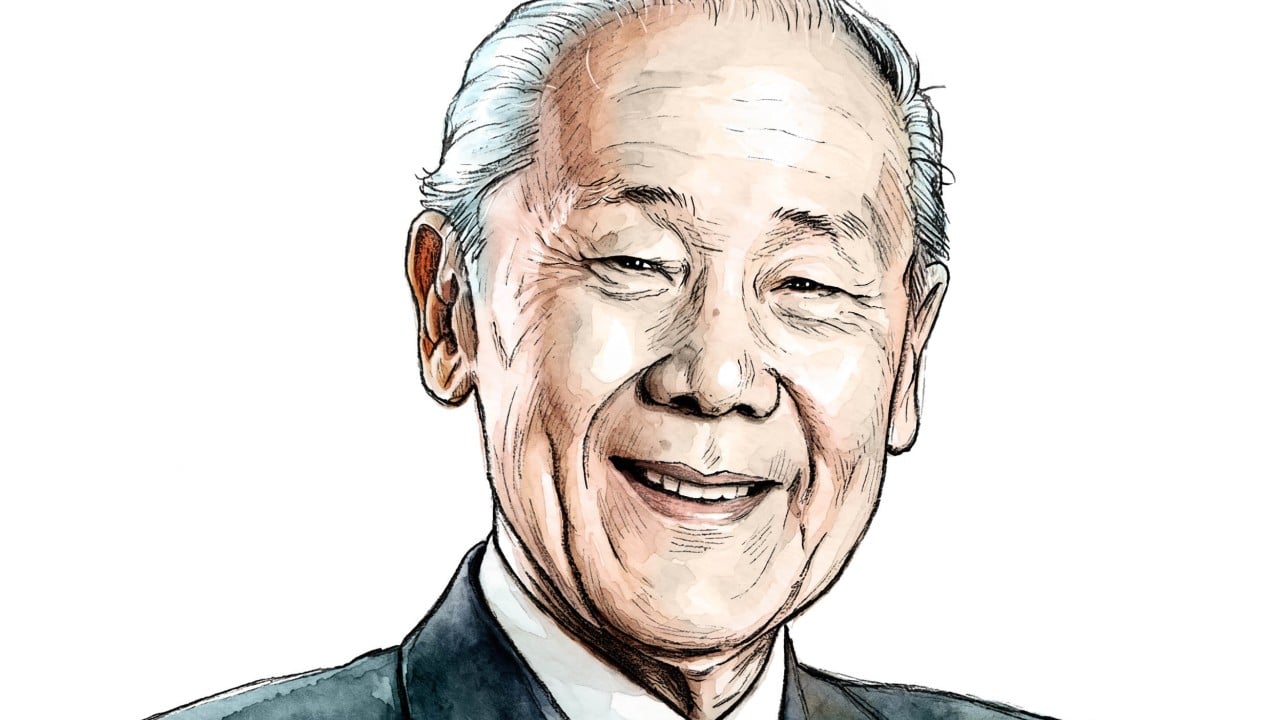
We love treating international politics like a sports match. One superpower wins, the other loses, and the scoreboard updates overnight. But real history doesn't work that way. At 95 years old, prominent historian Wang Gungwu has spent decades watching empires shift, rise, and stumble. His read on the current superpower friction between Washington and Beijing cuts right through the usual media noise. If you want to understand why Xi Jinping holds such an unshakeable belief that the Chinese Communist Party represents China's absolute survival, you have to look past quarterly economic reports and examine centuries of dynastic anxiety.
Most western analysts completely miscalculate Chinese governance because they view it through a democratic lens. They expect a growing middle class to naturally demand Western-style pluralism. Wang argues that this assumption ignores the deep historical trauma embedded in China's collective memory. For generations, national disintegration meant foreign invasion, civil war, and widespread starvation. When the Qing dynasty collapsed, the country fractured into warlord territories. When early republican reforms failed, the population turned toward radical revolution out of sheer desperation. Meanwhile, you can find other events here: The Art of the Whispered Standoff.
Xi Jinping’s worldview isn't just an eccentric personal philosophy. It’s a direct reaction to the fate of the Soviet Union. Having watched the USSR implode from internal corruption and ideological drift, China's current leadership operates under a strict existential rule: if the party fails, the country shatters. Wang points out that Xi's aggressive anti-corruption drives and push for ideological purity come from a genuine fear of internal decay. The party views itself as the sole institutional glue holding a massive, diverse civilization together against external pressures.
At the same time, Washington's global standing looks vastly different than it did a few decades ago. Wang notes that American military might remains unmatched, backed by massive defense spending and technological dominance. Yet, Washington has suffered massive blows to its international credibility. Prolonged conflicts in the Middle East, heavy economic expenditures with few tangible geopolitical gains, and shifting alliances have left cracks in American hegemony. When a superpower spends decades making grand commitments and failing to deliver clean victories, global perception shifts. To understand the full picture, check out the recent article by Associated Press.
Beijing watches these missteps closely. Rather than rushing into a hot military conflict—which nuclear deterrence makes practically suicidal—both titans are settling into a protracted economic and technological cold war. The United States wants a bipolar containment strategy, using trade restrictions and regional alliances to choke off China's high-tech ascent. Meanwhile, Beijing doubles down on centralized control, leveraging its historical preference for a strong, unified bureaucracy to weather the storm.
Understanding this rivalry means abandoning the fantasy that China will eventually westernize. The leadership in Beijing is betting its entire future on an authoritarian model backed by civilizational revival. Whether that model can outlast American technological supremacy depends less on short-term trade disputes and more on whether the party can successfully avoid the fatal traps that brought down every major Chinese dynasty before it.
Historian Wang Gungwu on US credibility and why Xi thinks 'only the party can save China'
This piece explores the 95-year-old historian's detailed breakdown of US superpower credibility, the structural realities of the modern Cold War, and the deep historical roots shaping Beijing's leadership mindset.


