Energy independence used to be a buzzword for politicians looking to score easy points during election cycles. It wasn't real. We lived in a world where cheap gas flowed from the East and we didn't ask too many questions about the geopolitical price tag. Then February 2022 happened. The invasion of Ukraine didn't just break the peace in Europe; it shattered the illusion that we can power a modern economy on the whims of authoritarian regimes.
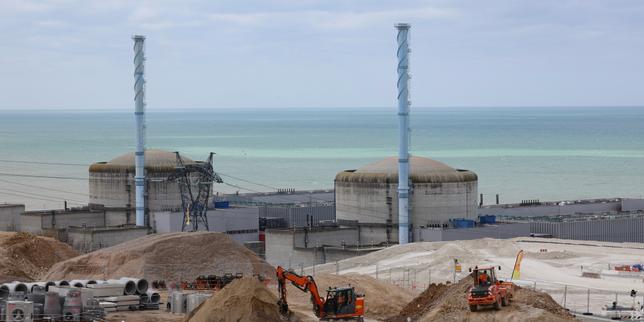
If you're wondering why every major power is suddenly obsessed with building reactors again, the answer's simple. It's about survival. Wind and solar are great, but they don't provide the steady, massive baseload needed to run a country when a dictator decides to turn off the tap. We're seeing a massive shift in how the West views the atom. It's no longer a "necessary evil" for the green transition. It's a hard-nosed security requirement.
The situation with Iran only adds fuel to this fire. As tensions rise in the Middle East, the risk to global oil shipments through the Strait of Hormuz becomes a daily anxiety for every treasury department on earth. We're moving into a fractured world. In this world, being able to produce your own power on your own soil without a constant lifeline to unstable regions is the only way to keep the lights on.
The end of the cheap gas era
For decades, Europe, and specifically Germany, bet the house on Russian gas. It was a massive mistake. When the Nord Stream pipes became useless pieces of metal at the bottom of the sea, the reality set in. You can't run a steel mill or a chemical plant on hope and a light breeze. The energy crunch that followed sent prices screaming upward, forcing governments to spend billions in subsidies just to keep citizens from freezing.
Nuclear energy is the only thing that fills that gap. It provides a massive amount of power from a tiny amount of fuel. More importantly, that fuel—uranium—comes from diverse sources like Canada and Australia. It's much harder for one person to weaponize the uranium market than the gas market. France knew this in the 70s during the oil crisis, and they built a fleet that still makes them the envy of the continent today. Now, everyone else is trying to play catch-up.
People used to argue that nuclear was too slow or too expensive. Those arguments don't hold much weight when the alternative is total economic collapse or being held hostage by a foreign power. We've entered an era of "security first" economics. If it takes ten years to build a plant, we'd better start today, because the geopolitical climate isn't getting any friendlier.
Small Modular Reactors and the new tech race
We're not just talking about those massive, old-school cooling towers anymore. The tech has moved on. Small Modular Reactors (SMRs) are the big story here. They're basically smaller, factory-built units that you can plug into the grid much faster than a traditional plant. They're safer because they use passive cooling systems that don't need human intervention if something goes wrong.
Think about the strategic advantage. Instead of one massive target, you can have a distributed network of smaller reactors. This makes the grid way more resilient against physical attacks or cyber warfare. Companies like Rolls-Royce in the UK and NuScale in the US are leading this charge. They aren't just selling power; they're selling sovereignty.
The Iranian shadow over the energy market
Iran's role in this shift is often overlooked. It's not just about their own nuclear ambitions; it's about their influence over the world's most sensitive oil chokepoints. Every time a drone hits a tanker or a proxy group threatens a refinery, the global economy flinches.
By diversifying into nuclear, nations are essentially buying insurance. They're decoupling their domestic stability from the chaos of the Middle East. It's a move toward a "fortress energy" model. We're seeing this in Eastern Europe especially. Poland, which has been reliant on coal for forever, is now fast-tracking a nuclear program with help from American firms. They aren't doing it because they've suddenly become die-hard environmentalists. They're doing it because they share a border with a country that uses energy as a bayonet.
Why the old anti-nuclear arguments are failing
The typical pushback usually centers on three things: waste, cost, and safety. Honestly, those arguments are losing their edge. Modern waste management techniques, including deep geological repositories like the one Finland is finishing, have solved the "what do we do with the stuff" problem.
As for safety, the data is clear. Nuclear is statistically one of the safest ways to generate electricity, even when you count the high-profile accidents. Compare the death toll from air pollution caused by coal and gas to the history of nuclear power. It isn't even close. People are starting to realize that the fear was largely based on 1980s pop culture rather than 2026 reality.
The cost argument is also shifting. Yes, the upfront price is huge. But look at the lifespan. A nuclear plant can run for 60 or 80 years. Once it's paid off, it produces some of the cheapest electricity on the planet. When you factor in the "security premium"—the value of not being blackmailed by a neighbor—the price tag looks a lot more reasonable.
The pivot toward a nuclear-first policy
What does this mean for you? It means your tax dollars and your energy bills are going to be tied to this massive infrastructure build-out for the next few decades. It's happening whether we like it or not. The green movement is also splitting. A huge chunk of environmentalists now realize that you cannot reach net-zero without a solid nuclear foundation. It's the only way to provide 24/7 power without burning carbon.
If you're looking at where the money is moving, watch the uranium miners and the engineering firms specializing in SMRs. The investment isn't just coming from the private sector; it's being backed by massive state guarantees. Governments have decided that energy is a matter of national defense. That changes the math for everything.
Start looking at your local energy policies. If your region isn't talking about nuclear or SMR integration, they're behind the curve. They're leaving you vulnerable to the next geopolitical shock. Demand more than just "more solar panels." Demand a grid that won't break when the world gets messy.
The wars in Ukraine and the instability in Iran have stripped away the luxury of debate. We've reached the point of necessity. The transition isn't just about the climate anymore. It's about making sure no one can turn off your heat to win a war. It's time to get serious about the atom.