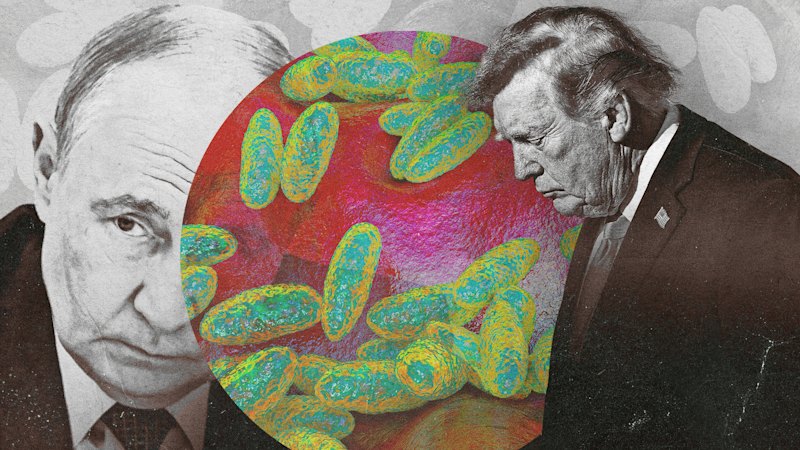
When news breaks about a potential pneumonic plague outbreak tied to a Russian research facility, global health agencies don't just hit refresh on their feeds. They scramble. Washington officials recently turned their attention toward Siberia after reports emerged of a laboratory worker's death and subsequent emergency quarantines. It's the kind of headline that triggers instant collective anxiety, but the reality behind the diplomatic and medical scrambling involves a lot more nuance than social media panic lets on.
What Actually Happened in Irkutsk
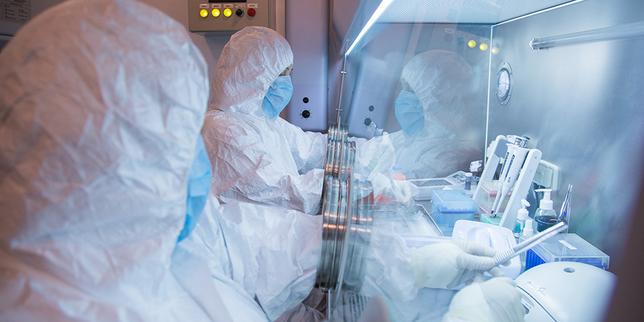
The situation centers on the Irkutsk Anti-Plague Research Institute in Siberia. A 28-year-old laboratory technician named Darya Shipilova fell ill after developing severe respiratory symptoms and passed away shortly afterward. Because of her workplace, rumors immediately circulated that a test tube had broken, releasing Yersinia pestis—the bacterium responsible for the plague. In similar updates, take a look at: Measles Resurgence and the Mechanics of Herd Immunity Collapse.
Local authorities and Russia's consumer protection watchdog, Rospotrebnadzor, pushed back hard against the lab accident narrative. They insisted that no containment breach occurred, classifying the death officially under severe pneumonia of unknown origin. Even so, standard biosecurity protocols kicked into overdrive. Nearly 200 people who came into direct or indirect contact with the victim were placed under strict medical quarantine, and sections of regional medical facilities were cordoned off.
Why U.S. Officials Got Involved
When foreign research facilities dealing with high-consequence pathogens experience sudden fatalities and mass quarantines, Washington pays attention. Pneumonic plague isn't like its bubonic counterpart, which typically spreads through flea bites. Pneumonic plague attacks the lungs directly and transmits easily through airborne respiratory droplets. That airborne capability turns any suspected cluster into an immediate public health tracking priority. Everyday Health has analyzed this critical topic in extensive detail.
U.S. agencies, including the Centers for Disease Control and Prevention and the State Department, began monitoring the situation closely, pressing for transparency. When infectious disease controls are tested in restricted facilities, the margin for error is zero. International observers wanted concrete answers on whether community transmission was a factor or if the protocols managed to box the threat in completely.
Sorting Pathogen Fact From Fiction
Every time the word "plague" hits the news cycle, people picture medieval catastrophe. Modern clinical realities look entirely different. Antibiotics like streptomycin or doxycycline treat Yersinia pestis effectively, provided they are administered during the early stages of infection.
The real danger of pneumonic plague lies in its speed. Symptoms can manifest within 24 to 72 hours of exposure, leaving a very narrow window for contact tracing and preventative treatment. That's why Russian health officials swept up nearly 200 contacts into medical monitoring so quickly—not necessarily because an uncontrolled epidemic was raging, but because containment rules for pulmonary pathogens demand aggressive early isolation.
Navigating Global Health Security
Incidents like the Irkutsk scare expose the fragile trust between international scientific communities. When information trickles out slowly or gets muddled by conflicting local reports, foreign intelligence and health monitors step in to fill the blanks. Transparency remains the single best defense against panic. Whether this particular event was an isolated tragedy or a near-miss with containment, it serves as a sharp reminder of how tightly monitored high-security biological facilities must remain to keep regional scares from turning into global crises.