The Distance We Manufacture
Ask anyone who has ever packed their entire life into cardboard boxes about the smell of a fresh start. It smells like packing tape, faint dust, and unadmitted fear. You stand in the center of an empty room, your boots echoing against hardwood, and you wonder if geography can solve a broken heart.
Most of us have tried it at some point. We run across state lines, across time zones, or entirely across oceans, convinced that a change in latitude will cure the ache of being misunderstood. We believe the Atlantic Ocean is wide enough to drown a legacy. We think that putting three thousand miles of salt water between yourself and your family will turn down the volume of the noise.
It never does. The noise just changes its accent.
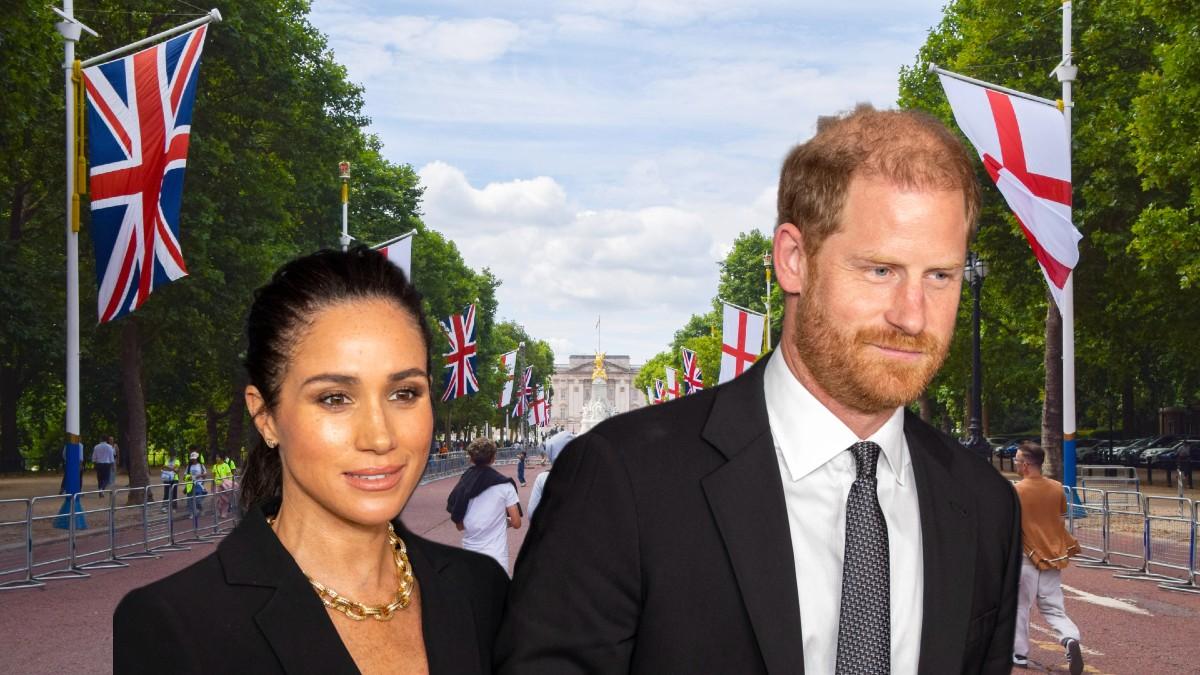
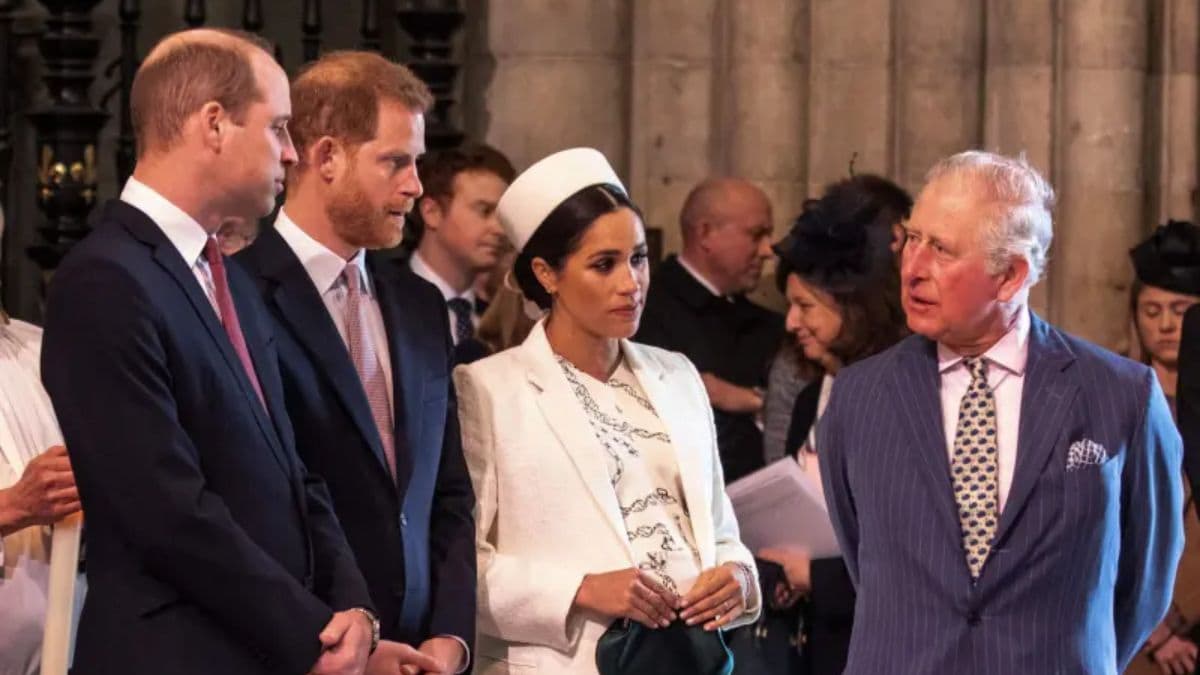
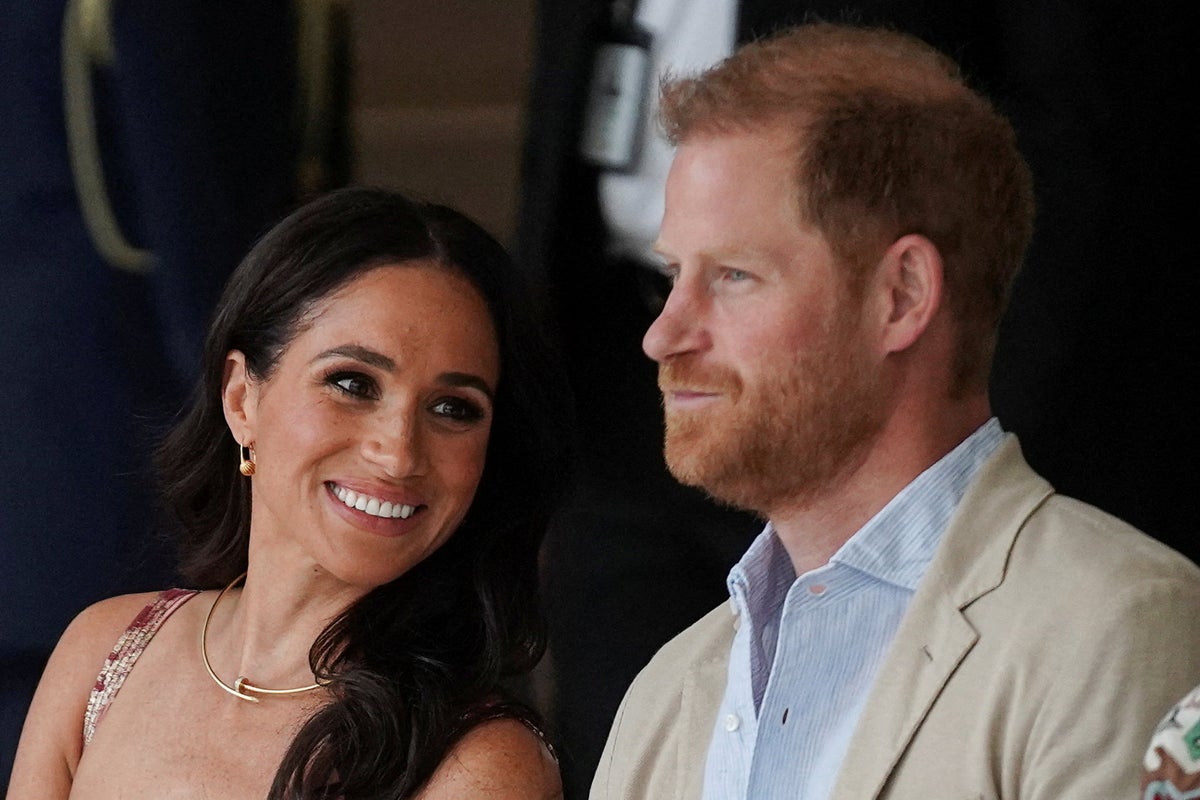
For years, the public conversation surrounding Prince Harry, Meghan Markle, and their children, Archie and Lilibet, has been treated like a global spectator sport. Commentators dissect every facial expression captured by long-lens cameras. Pundits count the squares of Windsor real estate on television screens. They debate logistics as if human beings were chess pieces being shifted across a crimson board.
Stop for a moment and look past the titles. Strip away the institutional armor, the glittering tiaras, and the heavy velvet curtains of British history. What remains is remarkably ordinary. At its core, this is a story about the heavy cost of trying to rewrite your own heritage while your children grow up with strangers' faces on their currency and grandparents they only know through frozen glass screens.
Rumors have a way of whispering through the London fog before they ever reach the California sunshine. Whispers turn into headlines. Headlines turn into conviction. Everyone has an opinion on whether the Sussex family might cross the Atlantic once more, packing up their Santa Barbara sanctuary to trade it for the gray drizzle of Windsor or the quiet green of the English countryside.
The Geography of Belonging
I remember standing in Heathrow arrivals terminal years ago, watching a young father try to explain to his small daughter why they couldn't just hop on a bus to go see Nana anymore. He knelt down on the sticky linoleum, his hands gripping her tiny pink coat. He told her that home was somewhere else now. I saw the flash of confusion in her eyes—a child's absolute trust colliding with an adult's complicated choices.
Children do not care about protocols. They do not understand institutional grudges, press handbooks, or the politics of precedence. They care about bedtime stories told in familiar accents, muddy boots left by the back door, and the comforting predictability of Sunday roasts.
Archie and Lilibet are growing up under the relentless glare of a different sun. They are Californians by birth, tasting the Pacific salt air and learning to run across sun-bleached lawns. Yet, their bloodline tells a different story. It is a story written in ancient stones, damp crypts, and centuries of tradition. You can move away from a castle, but you cannot easily scrub a crown out of your DNA.
Consider the invisible pull of gravity. When you spend your entire life tethered to a specific soil, leaving it creates a permanent tilt in your balance. Every time a holiday arrives, or a birthday passes without family gathered around a long dining table, the absence screams louder than any tabloid ever could.
People ask why the idea of a return keeps surfacing. They look at the security bills, the media friction, and the sheer exhaustion of living between two worlds, and they assume the math doesn't work. But human choices are rarely made on spreadsheets alone. They are forged in moments of quiet reflection, late at night when the house is dark and the weight of what has been lost finally catches up with the ambition of what was gained.
The Cost of the Crown
To understand the magnetic pull pulling back toward British shores, one must first understand what it means to be hunted by your own history.
When Harry walked away from the institutional machinery of the British monarchy, it was framed as an escape. And perhaps it was. No one survives a lifetime in a fishbowl without longing for deep water. But escape is an event; adjustment is a lifetime. The initial adrenaline of freedom eventually fades, replaced by the quiet reality of building a life from scratch in a foreign culture.
In California, they found space. They found privacy of a sort. Yet, they also found an American public that consumes royal drama with the same voracious appetite, albeit wrapped in the language of therapy and self-actualization. The cameras simply traded their telephoto lenses for digital ones.
Meanwhile, across the ocean, time marched on. Monarchs changed. Faces on stamps aged. Generations shifted. The invisible thread connecting Harry to his homeland didn't snap; it stretched thin enough to hum in the wind.
There is a profound vulnerability in admitting that you might have needed to leave, only to discover that staying away forever carries its own distinct brand of heartbreak. Imagine explaining to a growing boy why his cousins play in historic gardens he has only seen in pictures. Imagine watching your children miss the casual, messy magic of extended family gatherings—the shared jokes, the family resemblances, the living continuity of generations.
This is where the speculation about moving back takes root. It is not about surrender. It is not about crawling back to kneel at the altar of an institution that caused deep wounds. Rather, it is about the agonizing compromise that every adult eventually faces: how to protect your own mental health and your immediate family, while refusing to let your children become orphans of history, entirely detached from their roots.
Writing the Next Chapter
Speculation is cheap. Reality is excruciatingly expensive.
If the Sussexes were to pack their bags once more and cross the Atlantic back toward British soil, it would not be a retreat. It would be a recalibration. It would be an acknowledgment that healing does not mean hiding forever; it means finding a way to exist in the world without armor.
Security concerns remain absolute. Media hostility remains a volatile ghost. The institutional friction hasn't vanished just because years have passed. Yet, the emotional stakes have evolved. Children grow up with terrifying speed. The years when grandparents can lift them onto their shoulders slip through our fingers like dry sand.
We watch them from afar because we see fragments of our own family fractures mirrored in theirs. We have all said things we couldn't take back. We have all slammed doors, packed cars, and driven away into the dark, swearing we would never look in the rearview mirror. And we have all experienced that sudden, sinking realization that pride is a cold bedmate.
The story of Harry, Meghan, Archie, and Lilibet is still being written in real-time, unscripted and messy. Whether they return to the misty hills of the United Kingdom or put down even deeper roots beneath the California palms, they are caught in the universal human struggle to reconcile where we come from with who we are desperately trying to become.
The wind shifts over the courtyard at Windsor Castle, rustling the ivy against ancient stone, while thousands of miles away, the Pacific tide rolls endlessly against the shore.