The air off Lake Michigan bites with a specific, unforgiving cruelty in late autumn. It smells of damp wool, burning wood, and the unmistakable, iron-rich scent of a football stadium freshly prepped for war. Inside the Lambeau Field facility, the heat hums against the glass, but the atmosphere inside the locker room carries its own biting chill. A depth chart is a fragile thing. It is a house of cards built on sweat, calcium, and good fortune, and when a single wind gust hits it, the whole structure shivers.
Josh Jacobs is not in the building. For another look, see: this related article.
The notification pinged on phones across Wisconsin with the quiet violence of a sudden squall. Placed on the NFL exempt list, the star running back vanished from the active equation, leaving a vacuum that could swallow a season whole. In Green Bay, a franchise built on the mythology of the next man up, the phrase is usually a shield against panic. But panic is a difficult ghost to lock out when your offense relies so heavily on a bruising, chain-moving centerpiece who dictates the geometry of every defensive front.
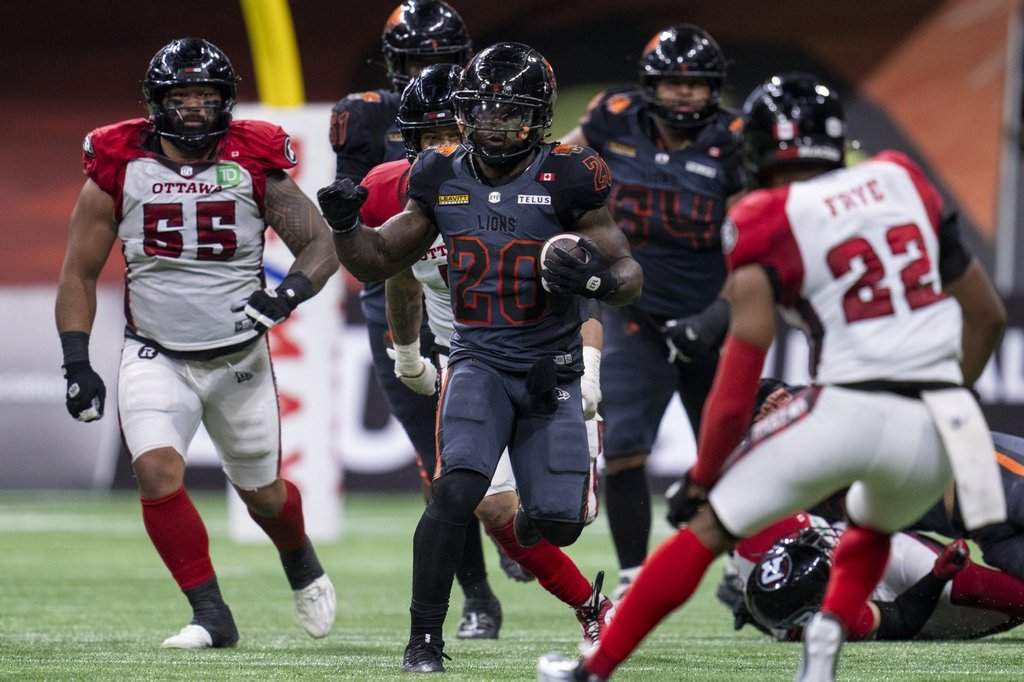
Enter Marshawn Lloyd. Further analysis on the subject has been shared by NBC Sports.
To understand what happens next, you have to look past the crisp numbers on a scouting report and understand the peculiar psychology of the rookie running back. Lloyd is not Josh Jacobs. He does not run with that exact brand of relentless, tackle-shredding malice that turns four-yard losses into five-yard gains. Instead, Lloyd operates with a twitchy, explosive violence. He is built like a boulder, but he moves like a middleweight boxer.
Imagine standing in the backfield as the green dot of the play-communication helmet buzzes against your skull. The crowd noise is a physical pressure pressing down on your collarbones. You hear the Mike linebacker screaming out Mike points, adjusting his safety help, smelling blood in the water because the established veteran is gone and a rookie is holding the keys to the backfield engine.
This is where the invisible stakes live.
Lloyd has spent the better part of his young professional life fighting the cruelest kind of bad luck. Injuries have nipped at his heels, turning what should have been a seamless transition into the professional ranks into a stop-and-start rehabilitation marathon. Hamstring strains, thumb surgery, a nagging hip—the training room table can feel like a prison for a player whose entire identity is tied to speed and acceleration. You cannot make the club in the tub, the old football adage goes. And Lloyd has spent far too much time watching the game through a pane of glass, listening to the roar of the crowd as a distant, muffled echo.
Now, the door is kicked wide open.
When a team loses its primary weapon, the offensive coordinator does not reinvent the playbook. Matt LaFleur is not going to suddenly scrap a system built on zone-blocking and rhythm passing because a rookie is stepping onto the turf. Instead, they narrow the focus. They find the three or four concepts the young back runs best—the inside zone where his burst can exploit a momentary seam, the angle route out of the backfield where his collegiate receiving skills can isolate a lumbering linebacker—and they lean on them until the defense proves they can stop them.
Football at this level is a game of margins measured in millimeters. A guard pulls a fraction of a second too slow, a tackle fails to turn his shoulders on the backside pursuit, and a promising six-yard run becomes a disaster in the backfield. For Lloyd, the challenge is not just physical; it is mental stamina. Can he pass-protect against a blitzing safety who weighs two hundred and twenty pounds and is running forty miles an hour with bad intentions? That is where young running backs earn or lose the trust of a coaching staff. You can run like the wind, but if you miss an assignment and your quarterback gets introduced to the turf, you will find yourself glued to the bench faster than you can blink.
The locker room watches these moments with a quiet, collective breath held in check. Veterans like Jordan Love understand the assignment. They know they have to pull the young guys closer, offer a calming word in the huddle, make sure the alignment is right before the ball snaps. There is an unspoken camaraderie forged in these crises. The team realizes that their championship aspirations cannot hinge on a single fragile human being. Resilience is not a character trait you are born with; it is something forced upon you when the safety net is pulled away.
Consider the weight on Lloyd's shoulders as he laces his cleats in the quiet corner of his locker. Every rep in practice is scanned by sharp-eyed coaches looking for hesitation. Every cut is evaluated for signs of lingering doubt from his various ailments. The human body remembers trauma, and overcoming that invisible scar tissue is often harder than healing the bone or muscle itself.
Yet, there is a fierce beauty in the opportunity.
History is littered with anonymous players who stepped into the breach when fate cracked the door open and never looked back. The NFL thrives on these sudden narrative shifts. A star goes down, a rookie steps up, and the wheel keeps turning, indifferent to the names on the jerseys, caring only about who can execute the assignment when the lights burn brightest.
The snow begins to swirl outside the heavy concrete walls of Lambeau. Sunday is coming, fast and unforgiving. Marshawn Lloyd walks out onto the practice field, the breath pluming from his helmet in white clouds against the grey Wisconsin sky, ready to find out if he is forged from the stuff that turns moments into memories.