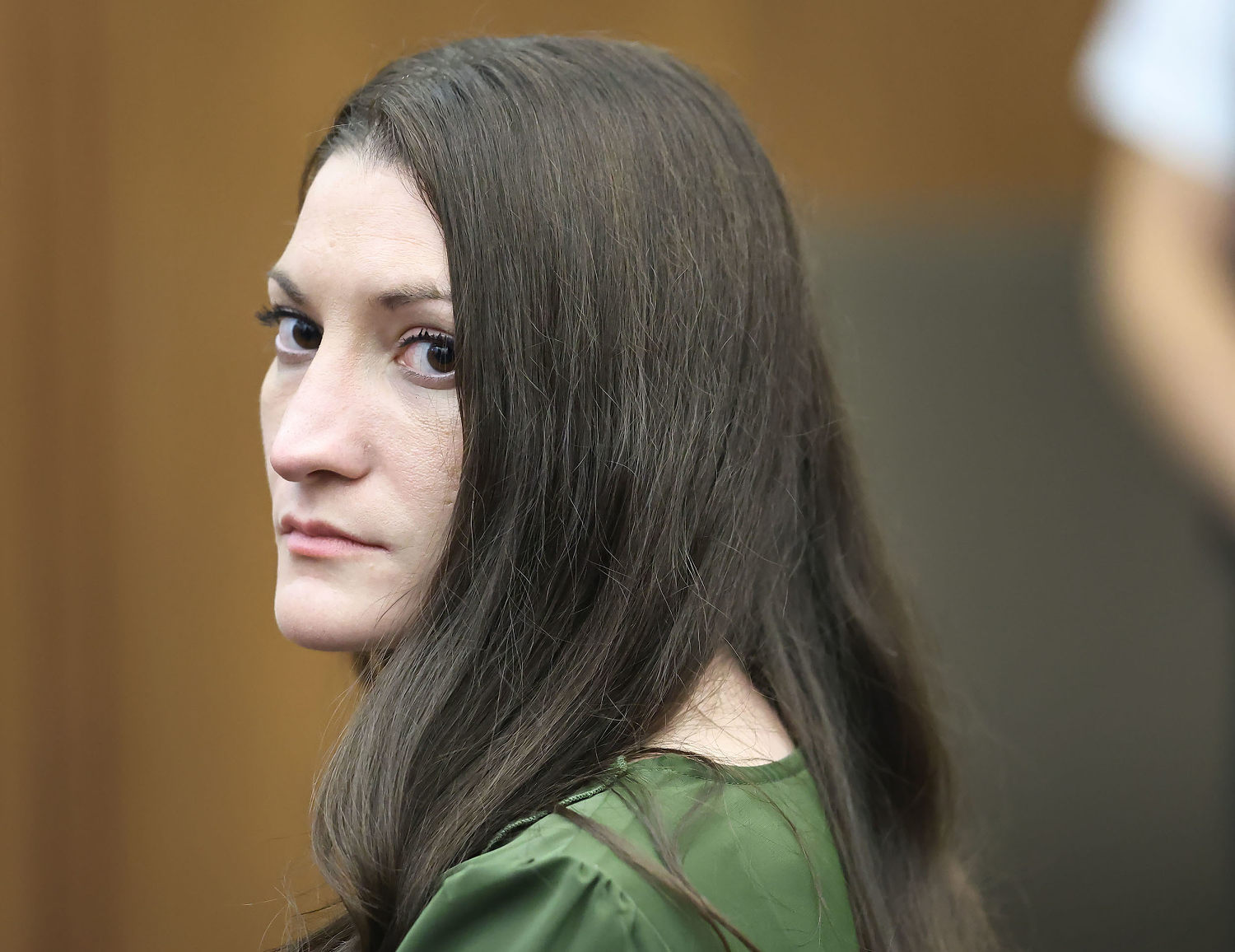
Hours bleed into one another behind locked oak doors. Somewhere in a silent deliberation room, twelve minds wrestle with ghosts, medical charts, and the heaviest question a human being can be asked to answer. Outside, the corridor smells of floor wax and stale coffee. Inside, the air is thick with the friction of unyielding conviction.
The Lindsay Clancy jury is deadlocked.
For days, the citizens seated in judgment have stared across an invisible chasm. On one side stands a prosecution arguing for cold, deliberate malice—a mother who planned the unthinkable. On the other side stands a defense pointing to a fractured mind, drowning beneath the suffocating weight of postpartum psychosis and a medical system that allegedly failed to catch a breaking soul. The judge has now issued a dynamite charge, sending them back into the crucible with instructions to reason together, to listen, to try once more to find a common truth where none seems to exist.
We crave black and white. We demand neat categories for human tragedy because ambiguity terrifies us. If a mother destroys her own children, our immediate survival instinct requires her to be a monster. Monsters are understandable. Monsters have horns we can spot from a distance. Monsters justify our outrage and allow us to sleep soundly, believing evil is an alien force that would never dare knock on our own suburban front door.
Yet reality refuses to cooperate with our comfort.
Picture a kitchen on a Tuesday afternoon. Sunlight pools on linoleum. The laundry basket overflows with tiny socks. To the outside observer, life looks intact, ordinary, even picturesque. But beneath the surface of that quiet domestic scene, invisible tectonic plates are shifting. Imagine a brain under siege, not by malice, but by a chemical storm so violent that the world distorts into a waking nightmare. Voices whisper commands. Rational thought dissolves into static. The mother standing at the stove is no longer the woman who named her babies; she is a castaway stranded on a crumbling cliff, hallucinating salvation where none exists.
This is the abyss the jury has been forced to peer into.
When the verdict hangs by a thread of stubborn disagreement, it is usually because the evidence is forcing jurors to abandon their simplest assumptions. A deadlock is not a failure of the justice system; it is the exact moment the system breaks down under the weight of human complexity. It means at least one juror is looking at the medical testimony—the cocktail of psychiatric drugs, the rapid medication changes, the desperate pleas for help that went unanswered—and seeing a tragedy born of catastrophic illness rather than calculated cruelty. It means another juror is looking at the sheer, irreversible finality of empty cribs and feeling a righteous anger that refuses to forgive, explain away, or absolve.
How do you weigh a chemical imbalance against the extinction of a family? How do you quantify the terrifying velocity of a psychiatric crisis when you are sitting safely in a climate-controlled courtroom months after the blood has dried?
The law offers cold instruments for this kind of work. Statutes, precedents, definitions of criminal responsibility drafted by men who lived centuries before modern neuroscience mapped the fragile architecture of the postpartum brain. Jurors are handed these dusty legal toolkits and told to build a bridge across an ocean of pain.
They argue over timelines. They debate whether seeking privacy before an act proves consciousness of guilt or the frantic plotting of a mind disconnected from reality. They look at photographs of smiling children, then at medical records detailing severe depression, insomnia, and psychiatric hospitalizations that lasted only days before patients were discharged back into the care of overwhelmed families.
Each juror brings their own hidden history to that room. One may be raising a toddler right now, remembering the crushing, silent isolation of the midnight feeding hours when the mind plays dark tricks in the dark. Another may have lost a child, carrying a scar that burns too hot to allow for any mitigation, any plea of mental defect, any grace. A third might work in healthcare, intimately familiar with the terrifying gaps in a system where beds are scarce and patients are shuffled out the door before the stitches of their sanity have even begun to hold.
They shout. They fall silent. They pace the narrow perimeter of the room. They drink cold water from paper cups.
And then, the note goes out to the judge. We cannot agree.
The judge’s response is standard, procedural, yet heavy with consequence. Keep trying. Go back. Talk to each other.
It is an administrative nudge, but it feels like a sentence in itself. More hours of looking into the eyes of fellow citizens who see the world entirely differently. More moments of wrestling with the ghost of what happened on that winter day in Duxbury.
We watch from the outside, scrolling through updates on our phones while waiting for a bulletin that will tell us how to feel. We treat trials like spectator sports, keeping score on closing arguments, trying to guess the psychological makeup of anonymous jurors based on soundbites and legal commentary. But the true drama is invisible. It lives in the quiet realization that justice is never clean. It is messy, agonizing, and stitched together by flawed mortals who would give anything to be anywhere else in the world than sitting in that chair, holding the moral weight of a shattered community in their trembling hands.
The door closes again. The lock clicks. Inside, twelve ordinary people pick up the pieces, trying to decide what mercy looks like when the worst has already come to pass.