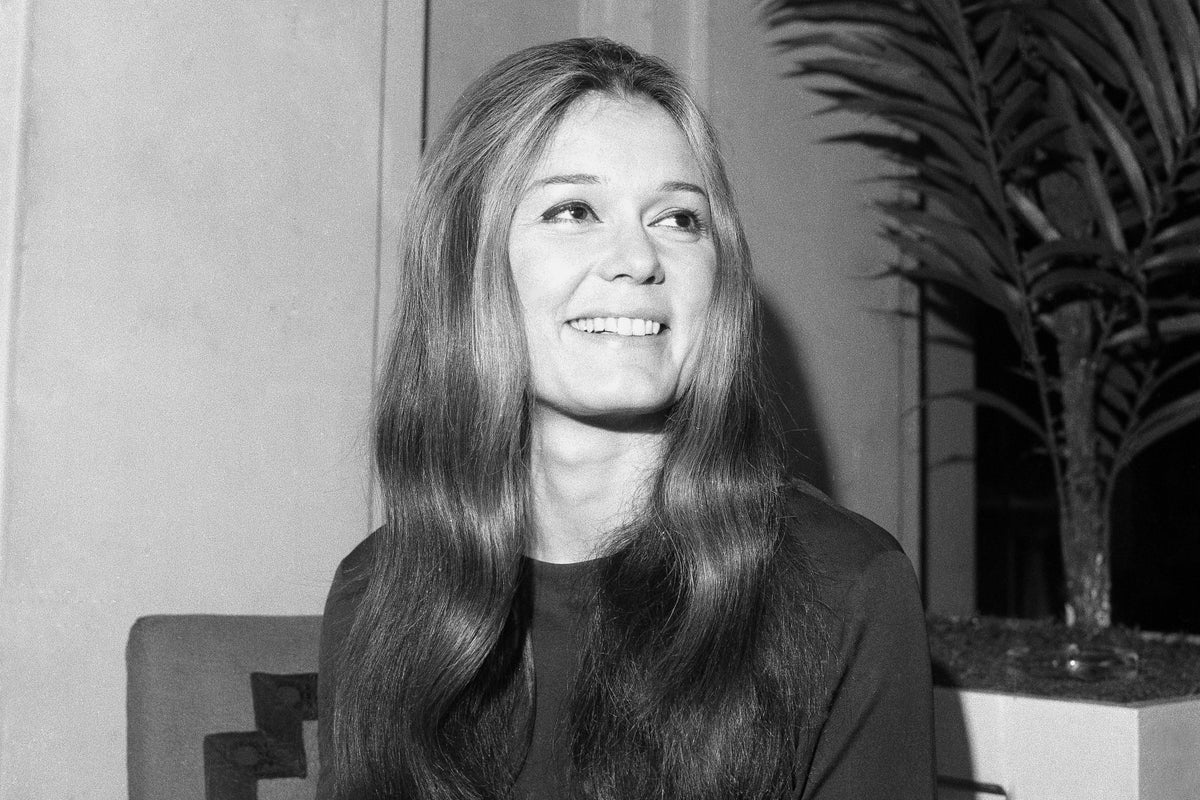
The aviator glasses caught the flashbulbs first. Always the glasses, then the blonde streak cutting through a cascade of chestnut hair, and finally the sharp, tailored stride that signaled she was entirely comfortable walking into rooms where she wasn't wanted.
It was 1970. The air in New York City tasted of diesel exhaust, stale cigarette smoke, and a very specific kind of electric tension. Down on the pavement, the world moved with a heavy, industrial rhythm. Inside the offices, the typewriter keys clattered like telegraphs from another century. Gloria Steinem was sitting at the center of it all, yet she looked completely out of place. Or perhaps, more accurately, she looked like she belonged to a future that had accidentally leaked into the present.
Picture the scene through the lens of a press photographer standing in the back of a crowded press conference. The smoke hangs low. Men in narrow ties lean over podiums, their voices booming with paternal certainty. They are talking about women—always talking about women, as if female humans were a curious new species discovered on an expedition to the lunar surface. They call them girls. They pat them on the head. They assign them the lifestyle section, the recipe column, the gentle human interest fluff that fills the dead space between ads for floor wax and cigarettes.
And then there is Steinem.
She isn't yelling. That is the thing people forget, or perhaps the thing they never understood. She is quiet. She listens with a terrifying intensity, her chin resting on her hand, processing the absurdity of a society run by people who think half the population exists to fetch coffee and dry clean suits.
To understand what happened that year, you have to strip away the marble statue that history has built around her. Before the massive rallies, before Ms. Magazine became a cultural earthquake, before her name became a permanent entry in political lexicons, she was simply a reporter who got tired of watching the game from the sidelines. She was a journalist who realized that the neutrality demanded by her profession was often just a polite conspiracy to keep things the way they were.
Consider what happens when a reporter stops taking notes and starts asking questions that have actual teeth.
In 1970, the movement didn't have a neat public relations department. It was messy. It smelled of mimeograph ink and burning bras, even if the bra-burning was largely a media myth blown out of proportion by headline writers desperate for a spectacle. The real spectacle wasn't clothes burning on a boardwalk; it was the slow, agonizing realization by millions of women that their domestic cages had invisible locks.
Steinem walked right into the middle of that friction. She had the glamour of the glitterati—she moved easily through the high-society circles of Manhattan, rubbing shoulders with politicians, actors, and writers. But she traded the safety of that velvet rope to sit in church basements and union halls, listening to secretaries, factory workers, and housewives talk about quiet desperation.
That contrast is what drove her detractors mad. How could someone who looked like a magazine cover speak with such raw, unvarnished anger about systemic oppression? The culture wanted its rebels to look ragged, angry, and easily dismissible. Steinem refused to cooperate. She wore the fashionable skirts, she kept the oversized sunglasses, and she delivered devastating critiques of patriarchy with the calm detachment of an appellate judge.
Let us step back for a moment and look at the architecture of that era.
The legal machinery of America in 1970 treated adult women as legal minors in many jurisdictions. Credit cards required a husband's signature. Pregnancy could legally get you fired from a classroom or an office. Equal pay was a punchline shared around executive watercoolers. The invisible stakes were total. Every single choice—whether to have a career, whether to walk away from a suffocating marriage, whether to demand bodily autonomy—carried an enormous social penalty.
When Steinem published her landmark essay "After Black Power, Women's Liberation" in New York magazine that same year, she didn't write an academic treatise. She wrote a map of human grievance. She connected the dots between racial liberation and gender liberation with a clarity that left traditionalists gasping for air. She argued that the personal was political long before that phrase became a bumper sticker.
I remember talking to an older relative years later who had lived through that exact pivot. She described opening a magazine in 1970 and seeing Steinem's face looking back at her. Not with pity. Not with the saintly maternal glow society demanded of women. But with an analytical gaze.
"It felt," my relative told me, her voice dropping an octave, "like someone had finally turned the lights on in a room we had been stumbling around in the dark."
That is the true legacy of that moment, frozen in grainy black-and-white photographs and yellowed newsprint. It wasn't just about a famous journalist or a fashionable activist. It was about the sudden, terrifying expansion of what a human life was allowed to be.
The flashbulbs faded. The crowd cleared out of the hall. The cigarette smoke drifted up toward the high ceiling and vanished into the ventilation ducts. But the woman behind the aviator glasses had already changed the angle of the lens. Once you see the machinery of inequality, you can never unsee it. And once a voice like that breaks the silence, the rest of the world has no choice but to adjust its hearing.