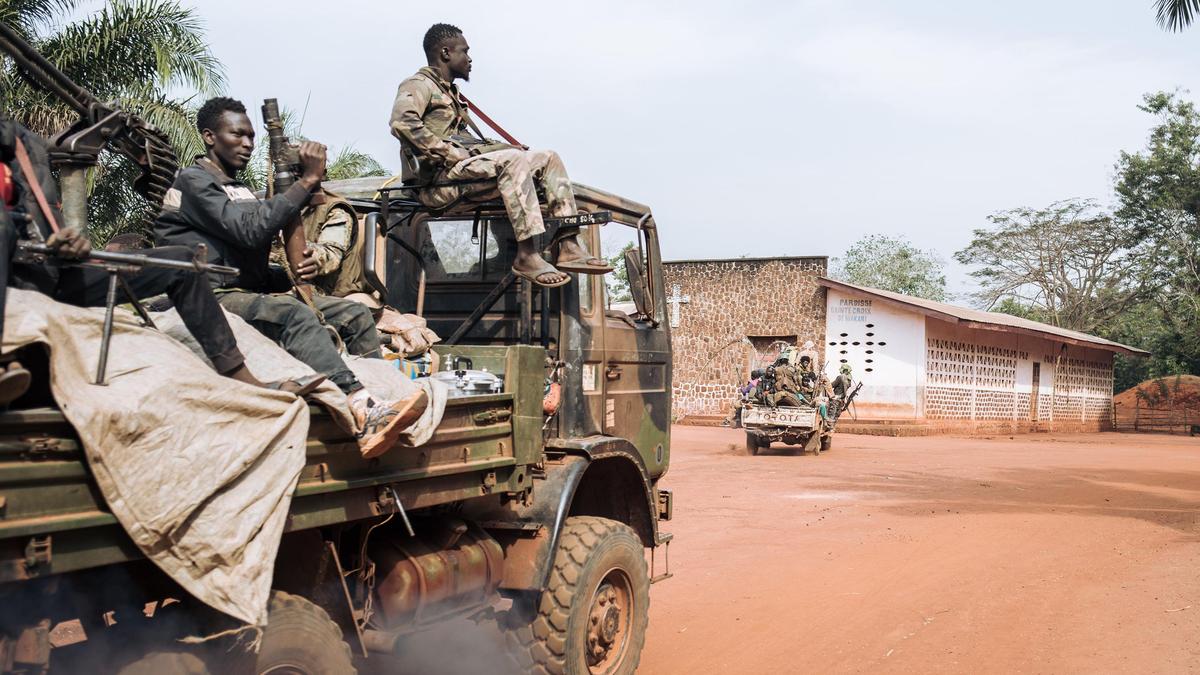
The headlines are back, but the reality on the ground never actually left. In the Democratic Republic of Congo (DRC), specifically the Ituri province, "deadly" doesn't even begin to describe the latest surge in violence. We're looking at at least 69 people dead—likely more—following a series of brutal militia raids that have turned gold-rich villages into graveyards.
If you're wondering why this keeps happening, it's not just "tribal warfare." It's a toxic mix of ethnic tension, mineral greed, and a complete breakdown of state authority that has persisted for three decades. The latest massacre, confirmed by local security sources this Saturday, May 9, 2026, was primarily the work of the CODECO militia. They claim to protect the Lendu community, but their actions in several villages in late April look more like a scorched-earth policy than "protection."
The Bloody Cycle of Retaliation
Most reports focus on the body count, but the timeline matters. This wasn't a random outburst. It was a calculated, retaliatory strike. It started on April 28 when CODECO fighters moved through the region. This came right after an assault by a rival group, the Convention for the Popular Revolution (CRP), which says it defends the Hema community.
The CRP had attacked Congolese army (FARDC) positions near Pimbo. The result? CODECO struck back at civilian populations they associated with the Hema. When the smoke cleared, bodies were left "strewn on the ground" near villages like Bassa. The carnage was so severe, and the militia presence so persistent, that it took days for anyone to even attempt recovering the dead. As of this weekend, only 25 bodies have been buried. The rest are still out there.
Who are CODECO and the CRP
You can't understand this conflict without knowing the players.
- CODECO (Cooperative for the Development of Congo): An armed group mainly from the Lendu community. They’ve been around for years, ostensibly as an agricultural cooperative, but they’ve morphed into a loosely organized ethnic militia.
- CRP (Convention for the Popular Revolution): This group has seen a massive resurgence since early 2025. It’s led by Thomas Lubanga—the first person ever convicted by the International Criminal Court for using child soldiers. He’s back in the region after serving his sentence, and the violence has spiked accordingly.
- ADF (Allied Democratic Forces): While they weren't the primary suspects in this 69-person massacre, they’re the shadow in the corner. Linked to Islamic State, they’ve been killing dozens in North Kivu and Ituri simultaneously, including 36 people just last week.
The Congolese army is in a bind. Sometimes they fight these groups; sometimes they use CODECO as an "auxiliary force" to fight other rebels like the ADF. It’s a messy, inconsistent strategy that leaves civilians caught in the crossfire.
The Cost of Gold and Cobalt
Ituri isn't just a patch of land; it’s some of the most resource-dense territory on the planet. Gold, cobalt, copper—you name it. These militias aren't just fighting over old grudges; they're fighting for control of the mines. The money from these minerals fuels the purchase of weapons, which fuels more displacement, which makes it easier for militias to seize more land.
Right now, nearly one million people are internally displaced in Ituri alone. Think about that number. One million people who can’t go home because they’re afraid of being hacked to death or shot. MONUSCO, the UN mission, says they rescued about 200 people during the CRP assault, but they can't be everywhere.
Why Local Appeals Aren't Working
The Ente association, which represents the Hema people, called this latest round a "massacre" and begged its members not to retaliate. It's a noble plea, but it rarely holds. In a place where the government can't provide security, people turn to militias for a sense of safety, even if that "safety" involves killing their neighbors.
The international community usually sends "strong condemnations." We saw it again on Saturday. But condemnations don't stop a machete or an AK-47. The reality is that as long as the mineral trade remains opaque and the Congolese state remains weak in the east, these cycles will repeat.
If you want to actually help, look into organizations that provide direct humanitarian aid to the displaced in Bunia and surrounding areas. Supporting the United Nations Office for the Coordination of Humanitarian Affairs (OCHA) or Doctors Without Borders (MSF), who are often the only ones on the ground when the shooting stops, is a start. The people of Ituri don't need more sympathy; they need a functional security apparatus and an end to the exploitation of their land.