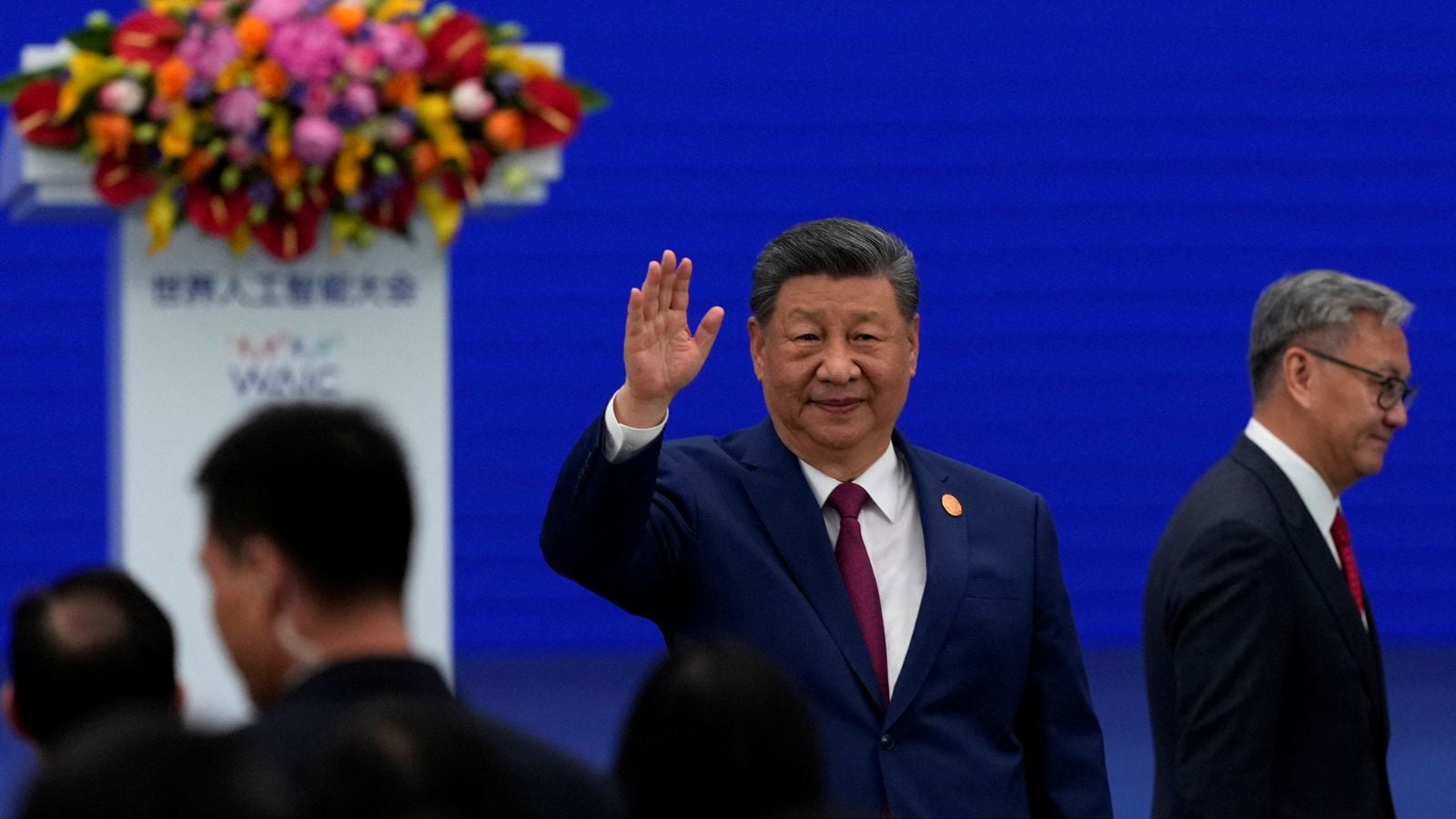
The global fight for artificial intelligence is no longer just about who builds the fastest computer or trains the biggest model. It is about who writes the rules for the rest of the world. On July 17, 2026, Chinese President Xi Jinping took the stage at the World AI Conference in Shanghai to deliver a blunt warning. He told the international community that we must prevent "new historical injustices" in the AI era.
What does that actually mean?
Basically, Beijing is betting that the rest of the world is getting tired of American tech monopolies. Xi is positioning China as the ultimate champion of the Global South. By warning against historical injustice, he is tapping into old colonial resentments. He is arguing that if Washington controls the algorithms, the developing world will get left behind again. This was his first time attending the Shanghai conference in person, a move that shows exactly how high the stakes have become.
The New Alliance Built to Challenge American Tech
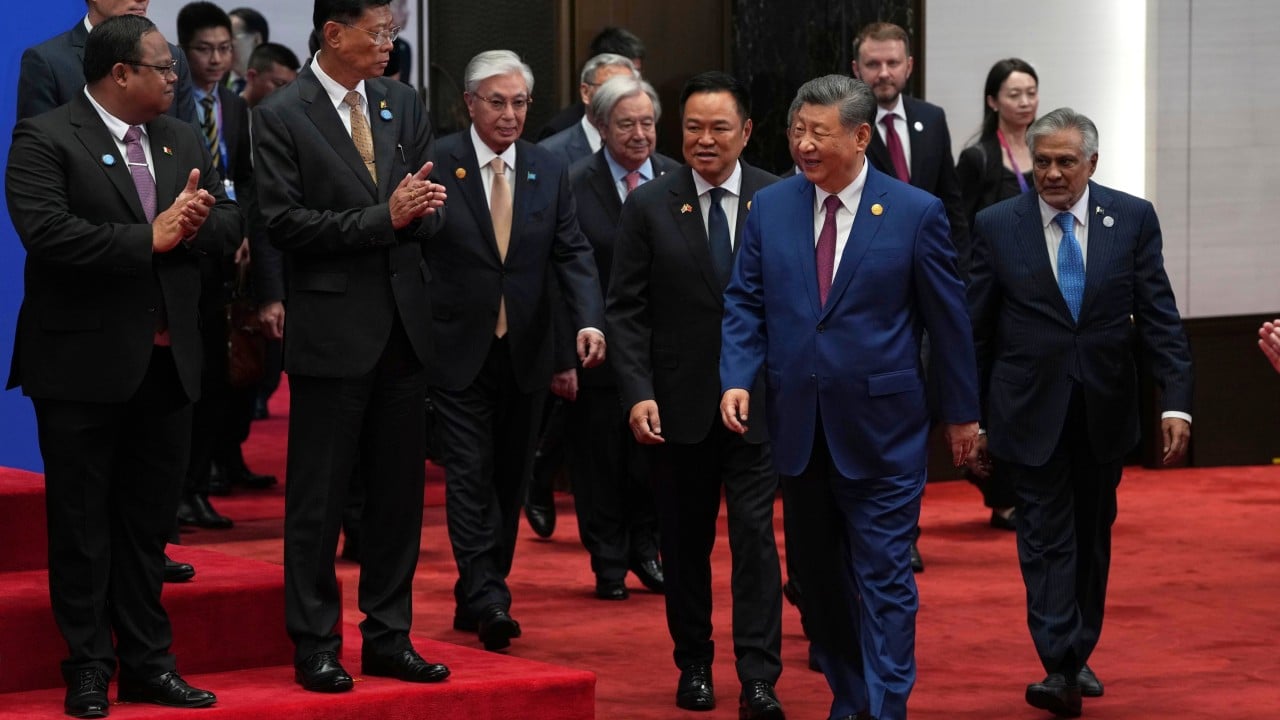
China is not just complaining about western dominance. It is actively building an alternative block. During the Shanghai summit, Xi announced the creation of the World Artificial Intelligence Cooperation Organization, or WAICO. Twenty-nine nations have already signed on as founding members, and the group will set up its headquarters right in Shanghai.
Think of WAICO as Beijing's direct answer to Pax Silica. Pax Silica is the U.S.-led tech alliance formed with countries like Japan, America, the UK, and Australia. That Western alliance wants to secure supply chains and keep advanced chips out of Chinese hands. WAICO is the counterweight. It brings together nations like Russia, Pakistan, and Kazakhstan to create a separate network of tech sharing and governance rules.
The strategy here is clear. China knows it faces heavy U.S. export bans on top-tier semiconductors. Instead of fighting alone, Beijing is building a massive market among developing nations that feel ignored by Silicon Valley.
Real Money and Free Training for 30 Countries
Vague diplomatic statements do not win geopolitical races. Xi backed up his rhetoric with concrete promises. China pledged to give developing nations 5,000 opportunities for AI training and specialized seminars over the next five years.
They are also rolling out international application centers across major regional blocs. These include ASEAN, the African Union, the League of Arab States, and the BRICS nations. On top of that, Beijing is giving 30 countries direct access to a highly advanced, Chinese-made AI meteorological tool designed for early disaster warnings.
This is tech diplomacy at its most practical level. If a developing nation in Africa or Southeast Asia cannot afford expensive enterprise software from American firms, China is stepping in to fill the void. They offer tools that work. They offer free training. They make it incredibly easy to say yes.
The Open Source Weapon
For years, the narrative was that China could only copy Western software. That story is dead. Chinese companies are using open-source models to aggressively capture global market share.
Look at the numbers shown off in Shanghai. China’s core AI industries reached a value of over 1.2 trillion yuan. That is roughly 176 billion U.S. dollars. The country boasts more than 6,200 specialized tech enterprises. More importantly, Chinese open-source large language models have crossed 10 billion total downloads globally.
Right as the conference opened, Chinese startup Moonshot dropped its Kimi K3 model. It features 2.8 trillion parameters. That makes it one of the largest open-source models on Earth, directly competing with the best systems from Silicon Valley. Huawei also put its Atlas 950 SuperPoD computing system on full display to prove they can build powerful infrastructure without relying on American supply lines.
When models are open-source, they are cheaper to run. Local developers in the Global South can download them, modify them, and use them without asking permission from Washington regulators. That makes them highly attractive to governments that want tech autonomy.
What Human Control Looks Like in Beijing
Xi spent a large portion of his address talking about keeping algorithms under human control. He asked how we will handle security when algorithms make the decisions. It sounds like the same ethical talk you hear at European tech summits, but the underlying meaning is very different.
When Beijing talks about secure and controllable technology, they mean systems that do not threaten state stability. They want laws, emergency responses, and strict monitoring systems to prevent tech from going rogue or causing social disruption.
Xi openly chided Washington for overstretching national security concepts. He argued that one country should not put its own safety above the development needs of others. It is a direct critique of U.S. chip sanctions. Beijing wants an open market for technology, even as it maintains strict ideological filters on its domestic internet.
Action Steps for Global Tech Teams
The divide between the US and China is widening fast. If you run a tech team or build software that scales globally, you cannot pretend this division is not happening. Here is how you navigate this fractured environment.
First, stop relying on a single cloud or model ecosystem. If your product is built entirely on closed-source US APIs, you might find yourself locked out of fast-growing markets in Southeast Asia or Africa where local regulations begin favoring WAICO standards.
Second, audit your open-source dependencies. As Chinese models like DeepSeek and Kimi grow in popularity, you need to understand their licensing agreements and how data flows through them.
Third, monitor regional compliance shifts. Countries aligned with the Global South are going to start adopting Chinese frameworks for data governance and algorithm management. If your platform cannot adapt to those rules, you lose those users.
The tech world has split in two. You are either building for Pax Silica or navigating the new structures built by WAICO. Pick your path carefully.