The Allied Democratic Forces (ADF) aren't just another rebel group in the Democratic Republic of the Congo (DRC). They've morphed into a branch of the Islamic State that thrives on psychological warfare. If you've been following the news from North Kivu and Ituri, you've seen the headlines about massacres. But the numbers don't tell the full story. The real strategy behind the ADF is the systematic use of macabre staging to paralyze the population and the Congolese military (FARDC).
Most reports focus on the body count. That's a mistake. The body count is a byproduct of a much more calculated effort to control territory through pure, unadulterated fear. Since their pledge of allegiance to ISIS in 2019, the ADF—now often called ISCAP (Islamic State Central Africa Province)—has shifted from a localized insurgency to a globalized terror cell. They're using the same playbook we saw in Raqqa, just adapted for the dense, unforgiving jungles of the Beni region. For an alternative view, read: this related article.
Why the ADF Staging Matters More Than the Violence
You don't just find victims in the wake of an ADF raid. You find messages. The group has started filming their atrocities with an eye for "production value." They aren't just killing for the sake of it. They're creating content. This content serves two purposes: it proves their "worth" to the global ISIS leadership and it breaks the will of the local people.
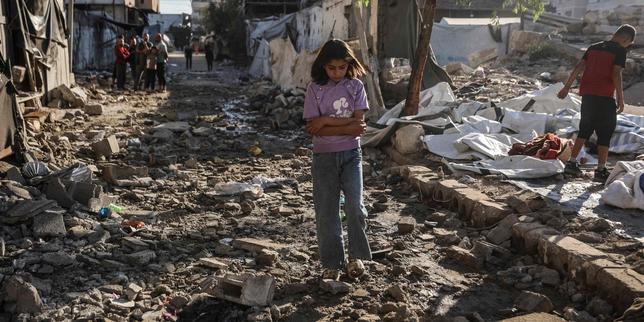
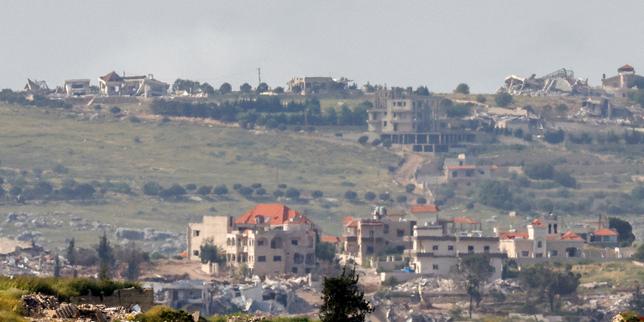
When a village is attacked, the rebels often stay longer than necessary. They aren't just looting. They're arranging the scene. This isn't random chaos. It’s a signature. By leaving behind scenes of absolute horror, they ensure that the survivors don't just mourn—they flee. This creates massive "dead zones" where the rebels can move, recruit, and mine gold or harvest cocoa without interference. Similar analysis on this trend has been provided by USA Today.
The Congolese government and the UN mission (MONUSCO) have struggled to counter this. Why? Because you can't fight a ghost with traditional infantry tactics. The ADF operates in small, highly mobile cells. They know the terrain better than the soldiers sent to hunt them. When the FARDC launches an offensive, the ADF simply melts into the forest, only to reappear thirty miles away in a "soft" target village.
The Myth of the Ugandan Rebel Group
I hear people still referring to the ADF as "Ugandan rebels." That's outdated. It's dangerously wrong. While the group started in the 90s as a movement against President Yoweri Museveni, it’s now a multi-national entity. You’ve got recruits from Tanzania, Burundi, Kenya, and even South Africa.
This isn't a political rebellion anymore. It's an ideological franchise.
The funding doesn't just come from local theft either. UN experts have tracked financial networks that stretch across East Africa. Money moves through mobile banking and "hawala" systems that are nearly impossible to track. This cash buys more than just AK-47s. It buys loyalty. In a region where poverty is a daily reality, a few hundred dollars can turn a local teenager into a scout or a porter for the group.
The Failed Promise of Operation Shujaa
Uganda and the DRC launched Operation Shujaa in late 2021. The goal was simple: crush the ADF once and for all. On paper, it looked great. Two major armies working together. In reality, the ADF just shifted their base of operations further west, deeper into the Ituri forest.
The rebels are playing a long game. They don't need to win battles. They just need to survive. Every time a major military operation is announced, the ADF responds with a series of high-profile "macabre" attacks on civilians. It’s a classic diversionary tactic. It forces the army to pull troops from the front lines to protect villages, which slows the offensive to a crawl.
How Recruitment Actually Happens in the Bush
Don't believe the idea that every ADF fighter is a brainwashed zealot. Many are kidnapped. In raids on villages like Mamove or Oicha, the rebels take the young and the strong. They use a brutal indoctrination process. New recruits are often forced to participate in violence against their own communities. This is a deliberate tactic to ensure they can never go home. If you've committed an atrocity in your own village, where are you going to run?
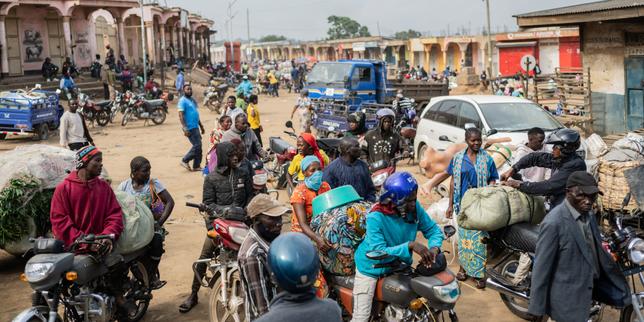
The group also uses "soft" recruitment. They offer protection or business opportunities in areas where the state is totally absent. In parts of eastern Congo, the ADF is the only "authority" that people see. That’s a failure of governance, not just a success of terrorism.
The Role of Social Media and Encryption
The ADF is surprisingly tech-savvy. They use encrypted apps to coordinate movements and share propaganda. This is where the ISIS influence is most visible. The videos they produce aren't just for local consumption. They’re edited, subtitled, and uploaded to channels that reach a global audience.
This digital footprint gives them a level of prestige in the jihadi world that they didn't have ten years ago. It helps with fundraising and brings in foreign "experts" who teach the locals how to build more effective Improvised Explosive Devices (IEDs). We’ve seen a sharp rise in IED usage in Beni over the last few years. That’s a direct result of this international knowledge transfer.
Breaking the Cycle of Violence
Stopping the ADF requires more than just more boots on the ground. We’ve seen that more soldiers often lead to more civilian displacement. The solution has to be a combination of several factors:
- Financial Strangulation: Choking the money trails in Kampala, Nairobi, and Dubai is more effective than a jungle patrol.
- Intelligence Integration: The FARDC and the Ugandan army need to share real-time data, not just general plans.
- Community Trust: If the locals trust the army more than they fear the rebels, the ADF loses its eyes and ears.
- Deradicalization Programs: There has to be a way out for those who were forced into the group. Right now, surrendering often means a different kind of death sentence.
The situation in eastern DRC is a mess. There's no sugarcoating it. But understanding that the ADF is using "performative violence" as a strategic tool is the first step toward dismantling their power. They want you to look at the horror and turn away. They want the world to think the region is "ungovernable."
It’s not. It’s just being held hostage by a group that has mastered the art of the macabre.
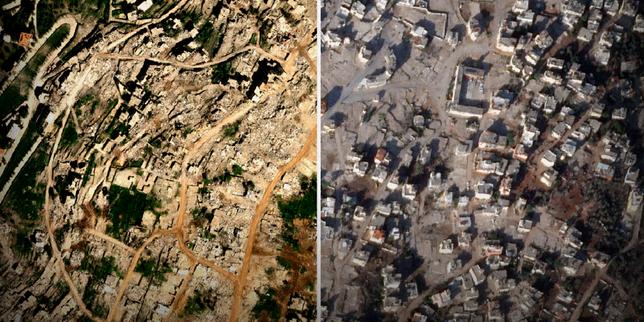
If you’re monitoring the region, watch the displacement patterns. When people stop returning to their fields after an attack, the ADF has won that territory. To fight back, the Congolese state needs to provide more than just soldiers; it needs to provide a reason for people to stay. That means roads, schools, and a justice system that actually works. Until then, the staging of horror will continue, and the ADF will keep growing its dark franchise in the heart of Africa.
Stop looking at the ADF as a local militia. Start seeing them as a sophisticated, ideological insurgent group that uses the forest as a shield and fear as a weapon. The international community needs to stop treating this as a "Congolese problem" and start treating it as a global security threat. Because by the time the world wakes up to the scale of the ISCAP network, it might be too late to pull it out by the roots.
Check the latest UN Security Council reports on the DRC for the most updated tracking of their financial networks. Pay attention to the movements of the M23 rebels as well; the ADF often uses the chaos of other conflicts to expand their own footprint while the world is looking elsewhere.