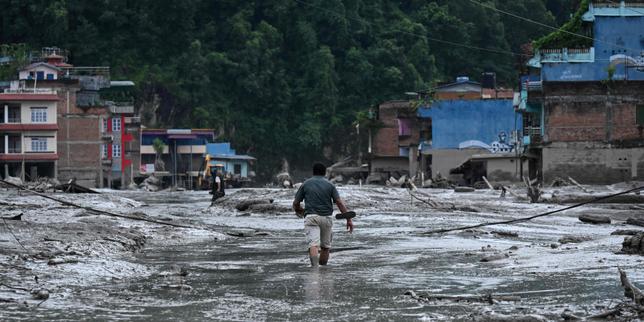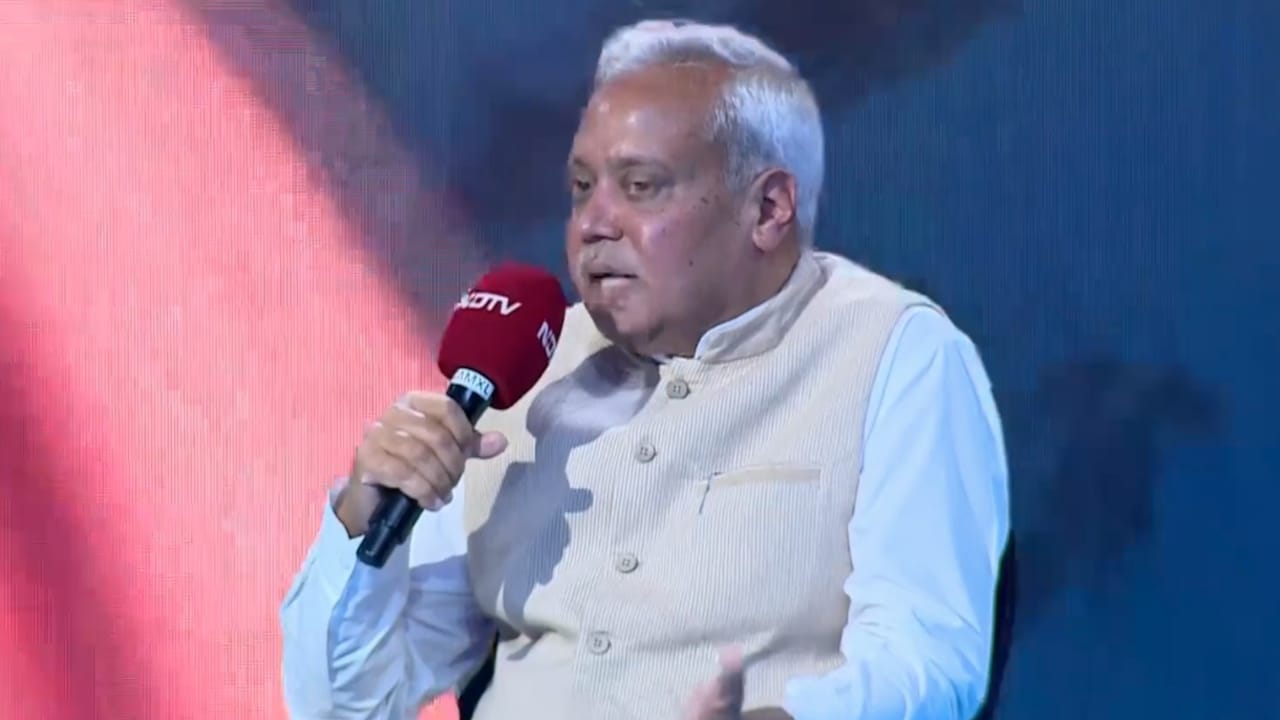
Bilateral summits usually drown in bureaucratic jargon, diplomatic pleasantries, and empty handshakes. But when NDTV World launched its new global conversation series, NDTV Anviksha, in Kathmandu, the atmosphere was entirely different. Flash floods had just battered Nepal, claiming lives and cutting off communication lines. Instead of canceling, organizers opened the floor with a moment of silence, shifting an abstract diplomatic exercise into an urgent, raw conversation about shared survival and regional responsibility.
If you want to understand how South Asia’s most interconnected borders actually function behind closed doors, you have to look closely at what happened on that stage. Discover more on a similar subject: this related article.
The Reality Behind Shared Growth
Diplomacy often sounds good on paper, but reality bites hard during crises. Indian Ambassador to Nepal Naveen Srivastava addressed the core of the bilateral bond head-on during the conference. He pointed out a simple truth. India wants its immediate neighbors to grow and build economic strength side by side.
"We basically want all our neighbors to grow and prosper with us," Srivastava stated during the live-tracked panel. Further analysis by NPR explores related perspectives on this issue.
Critics often dismiss these statements as standard public relations talking points. Yet, looking at the ground level, infrastructure connectivity and energy grids tell a different story. Power trade agreements and transit treaties aren't just charity projects. They are pragmatic survival tools for two nations tied together by geography and open borders. When power grids fail or flash floods cut off mountain passes, economic policy instantly turns into emergency management.
Confronting Hard Realities on the Ground
You can't talk about contemporary diplomacy without acknowledging friction points. Border disputes and missing citizens don't vanish because a television network hosts a high-profile forum.
During the discussions, Nepal's Foreign Minister Shishir Khanal addressed ongoing bilateral tensions with surprising candor. He noted that friction is entirely normal between active neighbors sharing deep historical corridors. The real metric of success isn't pretending disagreements don't exist. It is keeping diplomatic channels open so mechanisms actually function when trouble hits.
Consider the immediate human cost dominating the headlines. Recent flash floods left hundreds of foreigners missing, including nearly 300 Indian nationals caught in communication blackouts. Ambassador Srivastava highlighted the sheer logistical nightmare of rescue efforts in areas where electricity grids are down and phone networks are wiped out.
When disaster strikes mountainous regions, political bickering stops. Emergency response teams from neighboring states become the only lifeline available. India's immediate offer of deployment readiness via transport aircraft reflects an unspoken rule of the border. When one side hurts, the other shows up.
Shifting From Historic Baggage to Future Trade
For decades, political commentators obsessed over geopolitical tug-of-wars involving external powers trying to influence Kathmandu. That framing is outdated. Young entrepreneurs, tech creators, and financial leaders taking part in the Anviksha India Nepal Dialogue care far more about digital public infrastructure, startup ecosystems, and cross-border commerce than Cold War-style games.
Financial ministers and lawmakers on both sides spent hours debating how to accelerate high-level state visits and trade alignment through 2026. Bureaucratic red tape has historically slowed down hydro-power projects and transit corridors for years. Public forums like this put direct pressure on institutional frameworks to speed up execution.
If you're tracking South Asian economics, keep a close eye on how Kathmandu and New Delhi handle upcoming bilateral exchanges. Watch whether institutional mechanisms resolve border management issues faster than they did last decade. Real progress won't be measured by press releases. It will show up in uninterrupted power grids, faster cargo transit times, and resilient disaster response systems that save lives before the next monsoon hits.