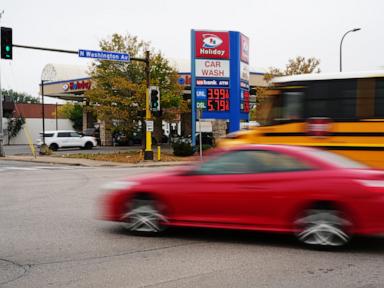
Every single late August, the media dusts off a tired script. Headlines scream about summer travel demand, refinery hiccups, and geopolitical flashpoints in the Middle East pushing fuel costs to agonizing peaks. This Labor Day, the lazy consensus blames the Iran conflict and domestic processing bottlenecks for emptying wallets at the pump. It is a neat, comforting narrative. It gives consumers a foreign villain and reporters an easy peg.
It is also fundamentally wrong. For another perspective, see: this related article.
I have spent over a decade watching commodity trading desks panic over every minor headline coming out of the Persian Gulf, and the truth is that panic is a manufactured tax. When prices spike ahead of a long weekend, pointing at an ongoing geopolitical crisis is the easiest way for corporations and policy analysts to mask structural market shifts that have been grinding away for years. The Iran conflict did not invent your forty-dollar fill-up. Structural underinvestment, chronic diesel hoarding, and the quiet death of domestic refining margins did.
The Geography of a Phony Crisis
Let us look at how crude actually moves. The standard market panic runs on a predictable chain of logic: tensions rise in the Strait of Hormuz, tanker insurance premiums tick up, futures contracts jump, and local gas stations instantly tack thirty cents onto regular unleaded before the oil has even left the wellhead. Further analysis regarding this has been provided by The Motley Fool.
I have seen traders burn millions trying to time these geopolitical blips, only to watch prices correct within a fortnight because the physical barrels never actually stopped flowing. OPEC+ quotas matter, but the real choke point is not thousands of miles away in a shipping lane. It is right in our backyard.
Domestic refining capacity has been shrinking for years, not because of sudden accidents or seasonal maintenance spikes, but because capital expenditure has shifted permanently. Major energy firms are returning cash to shareholders rather than sinking billions into cracking towers with a twenty-year depreciation horizon in a politically hostile regulatory climate. When you stop building new infrastructure while demand plateaus rather than plummets, every single seasonal demand bump feels like an existential crisis. Blaming a sudden war for a bottleneck you spent a decade engineering through policy neglect is insulting.
Why Summer Travel Demand is a Red Herring
Another favorite culprit of the August panic is the American road trip. We are told that millions of drivers hitting the asphalt for the final hurrah of summer stretch fuel inventories to a breaking point.
Data tells a completely different story. Gasoline consumption patterns have flattened significantly over the past decade as vehicle fleets gain fuel efficiency and remote work alters commuter baselines. The total volume consumed during a modern Labor Day weekend does not dwarf baseline spring demand by the margin necessary to justify a fifty-cent price swing.
What actually happens is a psychological feedback loop. Retailers know consumers expect high prices during peak holiday windows, so they test the ceiling. If the market accepts a four-dollar gallon in July, it will accept four-ten in September, regardless of whether spot crude prices are falling. Refiners use the seasonal transition from summer-grade to cheaper winter-grade fuel blends as an excuse to clear inventories at maximum extraction rates.
The Diesel Blind Spot
While everyone stares hypnotically at the unleaded pump price for regular cars, the real engine of the American economy—diesel—quietly dictates the cost of everything else.
If you want to understand why your groceries, your Amazon packages, and your flights cost more, stop looking at consumer gasoline charts and look at middle distillate inventories. Diesel inventories across the Northern Hemisphere routinely enter autumn at multi-year lows because global refining capacity prioritizes jet fuel and gasoline yields during peak tourist months.
When the market experiences a deficit in diesel, shipping costs skyrocket, which bakes inflation directly into retail goods. The Iran narrative is a convenient magician's sleight of hand. It draws your eye to the flashy geopolitical spectacle while the structural squeeze on commercial transport happens right out in the open.
The Uncomfortable Truth About Green Transition Economics
Here is the part nobody wants to say out loud because it disrupts the political talking points on both sides of the aisle. We are trapped in a messy purgatory between fossil fuel dependency and green electrification.
Traditional energy companies are receiving clear signals that their core business has an expiration date. Consequently, they are refusing to commit long-term capital to expand refining capacity. Why spend five billion dollars on a new hydrocracker that won't turn a profit for fifteen years if regulatory shifts or mandated fleet electrification threaten to strand that asset by 2035?
At the same time, green energy infrastructure is not scaling fast enough to pick up the slack during demand spikes. The result is an intentional under-supply. Energy companies are managing scarcity to protect profit margins in a declining sunset industry. They are squeezing the last drops of extreme profitability out of an aging asset class.
Blaming a war in the Middle East lets everyone off the hook. It absolves regulators of bad industrial policy, frees corporations from admitting they are milking a cash cow, and gives pundits an easy story to write before the long weekend.
Next time the pumps tick up and the talking heads point toward the horizon, remember where the real bottlenecks live. They were built by boardrooms playing defense against the future, and no amount of geopolitical posturing is going to fix a math problem of our own making. Stop buying the theater. Look at the balance sheets.