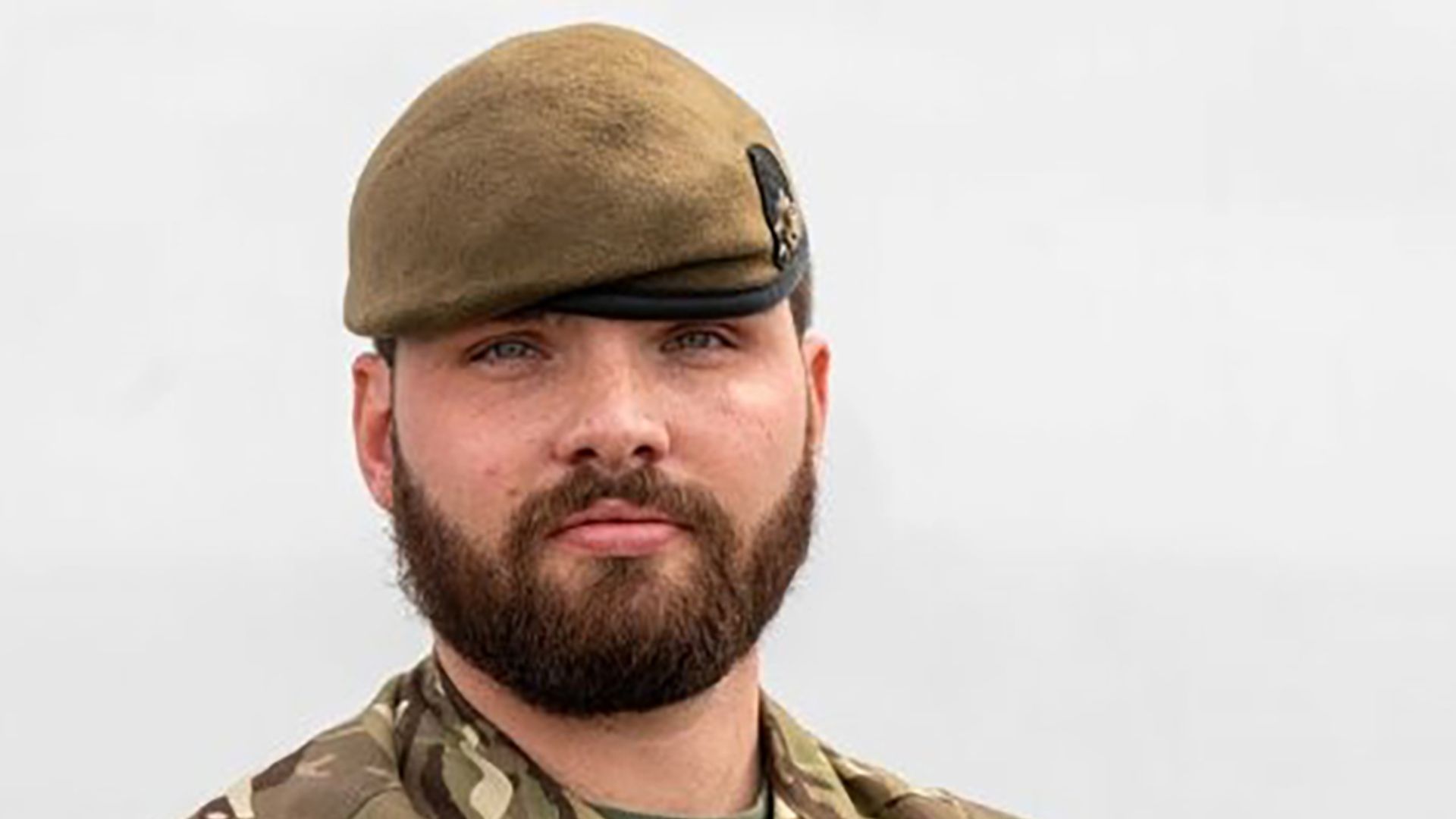
Sam Forstag, a professional smokejumper and labor organizer, secured a striking upset victory in the Democratic primary for Montana’s first congressional district by running an unapologetically progressive, class-first campaign. By defeating former gubernatorial nominee Ryan Busse 37 percent to 33 percent, Forstag proved that a platform backed by national democratic socialists like Bernie Sanders and Alexandria Ocasio-Cortez can win in a state that has rejected congressional Democrats for nearly three decades. This primary victory challenges the long-held establishment consensus that rural, red-state Democrats must run as business-friendly moderates to survive.
The victory exposes a widening rift within the Democratic party strategy. For years, the national apparatus favored candidates with deep pockets or corporate backgrounds who focused heavily on social issues while playing defense on the economy. Busse, a former firearms executive, fit the traditional mold of a candidate designed to appeal to independent voters in a western district. Yet, Forstag mobilized a coalition of union members, federal employees, and disaffected working-class voters by treating economic survival as a literal emergency. You might also find this similar article useful: Why South Korea's Liberal Landslide is an Illusion.
Why the Moderate Playbook Failed in Western Montana
The conventional wisdom among political strategists dictated that western Montana required a specific type of Democrat. They looked for candidates who could talk about hunting, respect private enterprise, and avoid economic rhetoric that might scare off wealthy transplants in booming enclaves like Whitefish or Bozeman. Busse entered the race with high name recognition from his 2024 gubernatorial run, but that past campaign also carried the baggage of a 20-point loss.
Forstag, a member of the National Federation of Federal Employees, ran in the exact opposite direction. He did not run away from his progressive endorsements. Instead, he leaned into a populist message that focused squarely on the widening gap between the ultra-wealthy individuals buying up Montana real estate and the working-class residents being priced out of their own hometowns. As discussed in latest coverage by NPR, the implications are widespread.
This strategy worked because it mirrored the structural realities of the district. The working-class voters who swung the primary to Forstag are exhausted by soaring housing costs, stagnant wages, and the feeling that national politics is merely a distraction from their daily financial struggles. By framing the election as a choice between working people and corporate interests, Forstag tapped into an intense, organized anger that the moderate establishment completely misread.
The Labor Coalition That Defied the Odds
National political observers often view Montana through a simplified lens, seeing it as monolithic cowboy country. They overlook a deep-seated populist tradition rooted in mining, forestry, and federal land management. Forstag utilized this history to build a disciplined ground game driven by local unions.
- Union Mobilization: Groups like the International Association of Machinists and Aerospace Workers treated this race as a test case for blue-collar political power.
- Progressive Star Power: High-profile visits from progressive leaders helped drive historic turnout among younger voters in college towns like Missoula.
- Federal Worker Dissatisfaction: As a smokejumper who has spent years parachuting into remote wilderness areas to combat wildfires, Forstag possessed an authentic connection to federal employees who feel abandoned by both parties.
This coalition allowed Forstag to overcome Busse's initial advantage in fundraising and name recognition. While the establishment spent money on traditional ad buys, the Forstag campaign focused on direct worker-to-worker organizing at union halls, fire stations, and community centers.
The General Election Trap
Winning a Democratic primary with a progressive populist platform is one thing. Flipping a district that the Cook Political Report rates as "Likely Republican" is an entirely different challenge. Forstag now faces conservative talk radio host Aaron Flint in the November midterms.
Flint presents a formidable obstacle. He commands a massive megaphone through his statewide radio show and possesses deep roots in the conservative media ecosystem. The Republican strategy is already clear. They will attempt to paint Forstag as an extreme outsider, a tool of coastal progressives who is out of touch with traditional Montana values. During the primary, conservative operatives tried to tie Forstag to urban political movements, claiming his platform belonged in New York or Vermont rather than the Rocky Mountains.
To win in November, Forstag cannot rely solely on the progressive base that carried him through the primary. He must convince independent and conservative-leaning working-class voters that his labor-focused platform will do more to lower their cost of living than the deregulation and tax cuts offered by the Republican party. It is a high-stakes gamble. If Forstag wins, he provides a new blueprint for how Democrats can compete in rural America. If he loses badly, the national party will likely retreat to its safe, moderate strategy, dismissing the Montana experiment as a fluke.
The real test for Forstag is whether his identity as a smokejumper can shield him from the standard attack lines used against progressives in rural states. Firefighting is dangerous, grueling work that commands immense respect across the political spectrum in the West. By keeping the conversation focused on the tangible needs of the people who do that work, Forstag hopes to cut through the partisan noise. The national Democratic party is watching closely, desperate to see if a firefighter can finally break the Republican stranglehold on rural America.