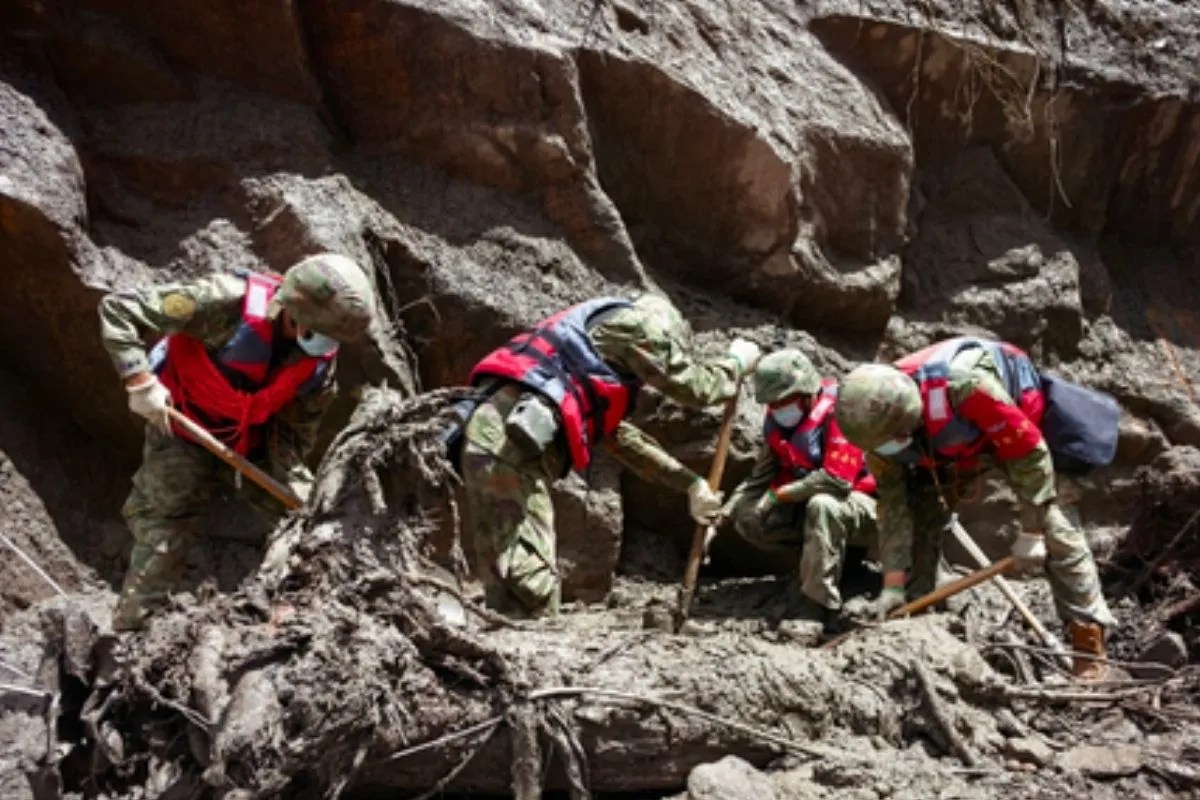
When a catastrophic glacier collapse unleashed a mountain of ice, mud, and rock across the Himalayan border, the immediate instinct of the international community was to dispatch planeloads of search-and-rescue teams. Kathmandu said no.
Foreign Minister Shisir Khanal drew a sharp, immovable line regarding foreign assistance in the wake of the disaster. Local responders, he argued, have the manpower and the boots on the ground to manage general search operations. What Nepal actually lacks is not people with shovels or tracking dogs. The country faces a severe deficit in hyper-specialized engineering capabilities, forensic infrastructure, and heavy technical logistics required to handle a modern infrastructural catastrophe.
This distinction matters. It cuts through the standard geopolitical theater of disaster response, where wealthy nations often compete to deploy high-visibility rescue units that may duplicate local efforts. Instead, Nepal's emergency management strategy highlights a glaring truth about modern disaster relief. General rescue is local. Specialized mitigation is global.
The Tunnel Trap
Consider the precise mechanics of what happened along the river systems near the Chinese border. The flash flood did not just sweep away surface homes and traditional roadways. It smashed directly into the subterranean infrastructure of the region's expanding hydroelectric network.
Hydroelectric plants in districts like Rasuwa and Nuwakot feature complex networks of underground tunnels. When the torrent hit, workers and engineers were caught inside. Many remain trapped deep within submerged, debris-choked subterranean corridors.
Nepal has built an impressive portfolio of hydropower projects over recent decades, but it remains a newcomer to deep underground excavation and tunnel maintenance. Tunnel rescue requires heavy specialized equipment, advanced sonar mapping, oxygen-monitoring gear, and personnel trained explicitly in confined-space extraction under zero-visibility conditions. Local rescue squads can clear surface rubble, but they cannot safely navigate collapsed subterranean hydraulic shafts without outside expertise.
This is why Kathmandu requested targeted intervention from neighbors like India, which mobilized specialized tunnel-rescue personnel and reconnaissance units. It is an admission that certain forms of modern engineering failure outstrip the safety protocols of developing nations.
The Logistical Fracture
Water is only part of the destruction. When roughly two dozen bridges snapped or washed away under the force of the glacial surge, entire regional economies and evacuation routes vanished instantly.
Stranded communities cannot wait for permanent concrete reconstruction. That process takes months or years. The immediate priority is structural bridging that can bear heavy transport loads within days. Nepal lacks sufficient stockpiles of modular tactical bridging units, such as Bailey bridges.
Foreign Minister Khanal's administration turned directly to India and China to fill this specific void. Deploying a modular bridge across a raging Himalayan gorge is an exercise in heavy civil engineering. It requires precise load-bearing calculations, hydraulic placement tools, and technical oversight teams who understand how to anchor temporary spans into unstable, saturated riverbanks. Without these technical inputs, isolated mountain valleys remain cut off from medical supplies and heavy relief machinery.
The Forensic Overload
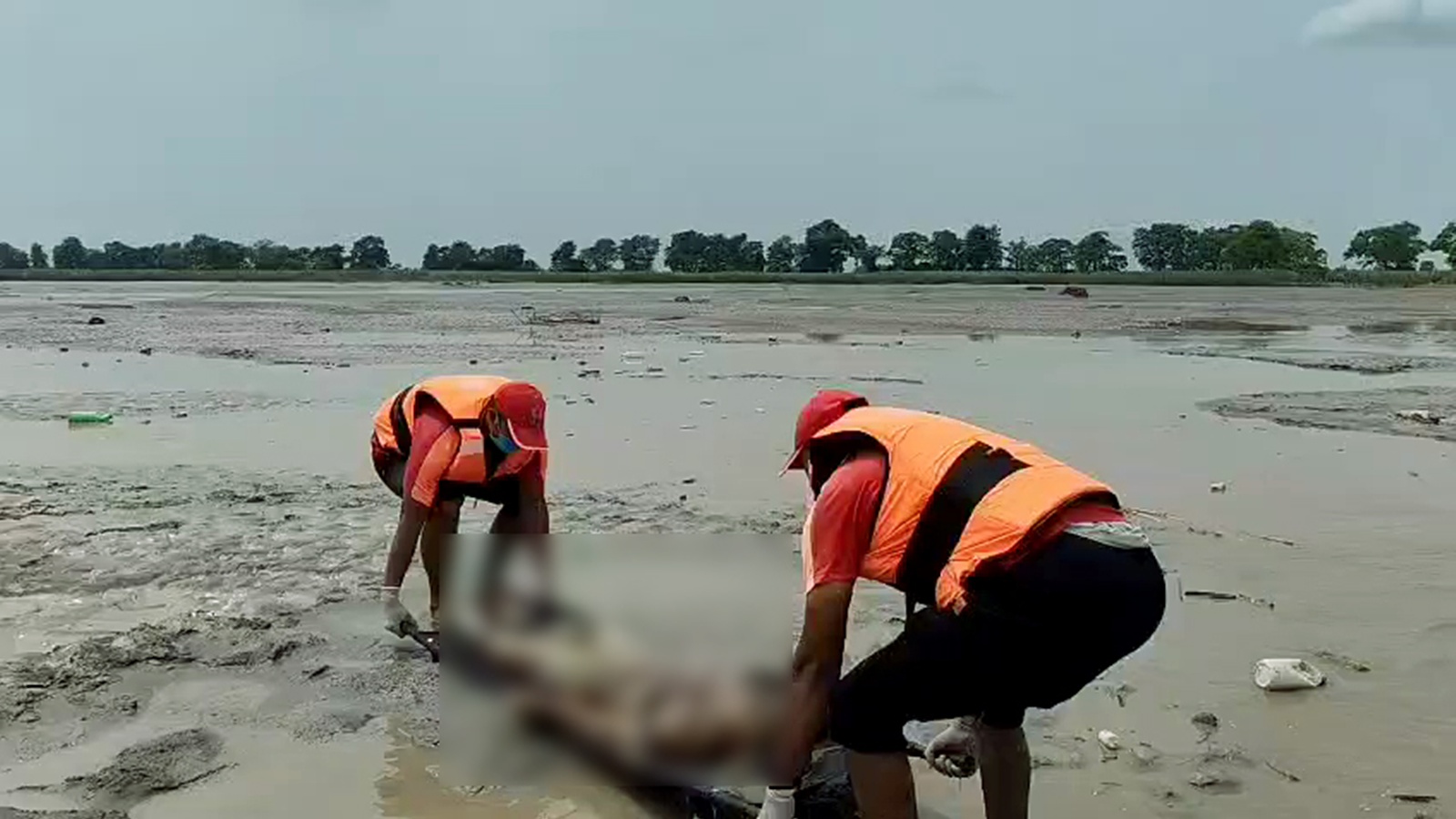
The most grueling aspect of the disaster lies far downstream from ground zero. Rivers carried hundreds of victims over a hundred kilometers away into the plains of Chitwan and Nawalparasi.
Hospitals in these regions face an unmanageable crisis. They are entirely overwhelmed by bodies recovered from the muddy flats. More critically, regional medical facilities lack industrial refrigeration units required to store remains for extended durations while families search for missing relatives.
Beyond storage lies a deeper scientific bottleneck. Identifying severely decomposed or fragmented remains requires advanced forensic DNA profiling. Nepal's domestic laboratories possess limited throughput capacity for mass-casualty DNA identification. Foreign assistance is urgently needed not to pull bodies from the river, but to run the genetic databases and forensic cold-chain logistics necessary to give families closure.
The Geopolitical Friction
Managing international aid during a crisis is an exercise in diplomatic tightrope walking. Major powers from the West and Asia offered comprehensive search-and-rescue deployments almost immediately. Accepting all of them creates an organizational nightmare on the ground. Uncoordinated foreign teams strain local logistics, consume scarce fuel and housing, and often duplicate the work already being performed by domestic military and civilian responders.
By explicitly drawing the boundary between general search operations and technical engineering support, Kathmandu has asserted control over its own crisis management narrative. The message to foreign capitals is direct. Bring the Bailey bridges, bring the tunnel-clearing equipment, and bring the forensic DNA specialists. Leave the surface search to the people who know the terrain.
As climate change accelerates glacial instability across high-altitude mountain ranges, disasters like this will recur. The engineering challenges facing Nepal today offer a harsh preview of the technical demands tomorrow's climate refugees will face. When the ice gives way, the real battle is won or lost in the details of the machinery that follows.