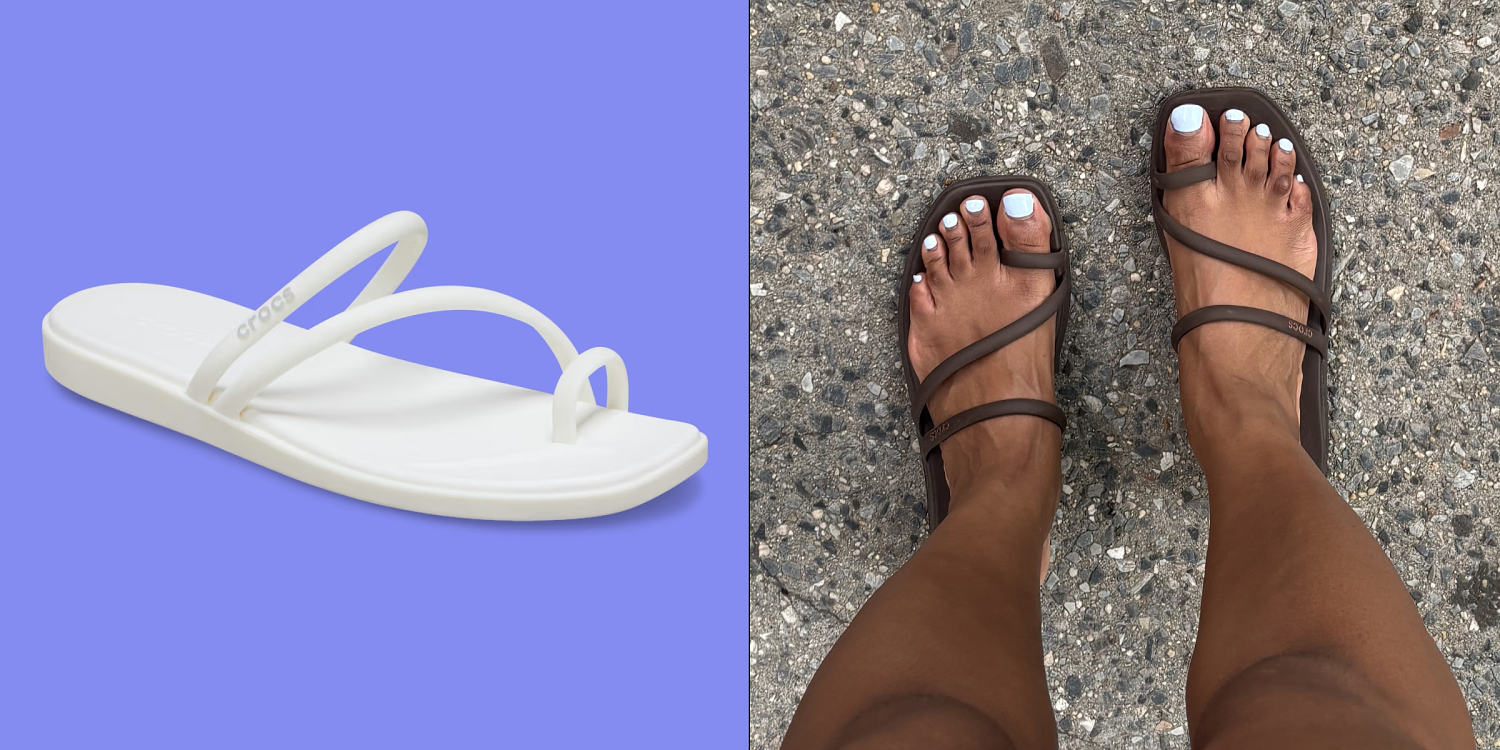
Everybody wants a shortcut. People want a sandal that magically bridges the gap between pool slide and street style without looking like an orthopedic afterthought. The lazy consensus online insists the Crocs Miami is that miracle bridge. Reviewers point to the lightweight EVA construction and the molded silhouette, patting the brand on the back for a minimalist triumph.
They are dead wrong.
I have spent the last decade tearing apart footwear manufacturing lines, auditing supply chains, and watching brands slap a trendy moniker on recycled plastic just to charge an eighty percent markup. I've seen companies blow millions on marketing campaigns designed to convince consumers that a slight tweak to a foam mold constitutes high fashion.
The Crocs Miami is not a design evolution. It is a masterclass in exploiting consumer fatigue.
The Anatomy of a Sunk Cost
Let us define terms. When an industry insider talks about comfort wear, we are talking about energy return, structural support, and thermal regulation. Foam slides fail all three metrics within ninety minutes of active wear.
The lazy review praises the Miami for being featherlight. Here is the physical reality they refuse to acknowledge: density equals durability. When you strip weight out of EVA foam by expanding the air pockets within the polymer matrix, you compromise compression set resistance. In plain English? The shoe bottoms out.
Imagine a scenario where you buy a pair of shoes built purely for curb appeal on a beach vacation. By day four, the cushioning memory is gone. You are walking directly on the asphalt through a millimeter of compressed plastic.
The mainstream consensus argues that you are paying for effortless style. You are actually paying for a high-margin chemical byproduct that costs pennies to extrude in a facility overseas.
The False Promise of Versatility
People ask: Can you wear the Crocs Miami to a nice dinner?
The question itself is flawed. It assumes that dressing down has no bottom limit. You cannot rescue a silhouette defined by pool deck utility by pairing it with linen trousers. It looks mismatched. It looks like you gave up halfway through getting dressed.
Footwear journalists write articles pretending that rubberized slides work across every environment. They don't. The wide toe box and flat footbed alter your natural gait. When you lack arch support, your plantar fascia takes the hit. Wear these day after day on hard urban concrete, and your lower back will send you an invoice you cannot afford to pay.
My contrarian approach has a major downside: it requires you to carry an extra pair of real shoes. You cannot compress a lifetime of podiatric health into a single foam slip-on. If you want true versatility, buy a leather slide with a molded cork footbed that actually conforms to your anatomy over time rather than crushing flat under your heel.
Stop Falling for the Hype Cycle
Brands rely on limited colorways and influencer seeding to create artificial scarcity. The Miami model gets hyped because it looks clean in an Instagram grid, not because it solves a structural problem in your wardrobe.
The smart money skips the foam fad entirely. Buy footwear built by makers who care about foot mechanics, not just quarterly earnings reports.
Take off the foam. Put on something that respects your joints.