The headlines are screaming about the "end of cheap travel." Legacy media outlets are tripping over themselves to warn you that fuel surcharges, carbon taxes, and "pent-up demand" are about to make flying a luxury reserved for the 1%.
They’re wrong. For a deeper dive into this area, we recommend: this related article.
Actually, they aren't just wrong; they’re fundamentally misreading how the aviation economy functions. If you’re waiting for ticket prices to skyrocket back to 1970s levels, you’re going to be waiting a long time. The "expensive flight" narrative is a convenient myth used by airline CEOs to justify quarterly earnings and by travel pundits to manufacture clicks.
The reality? You’ve never had more leverage as a flyer. You just don't know how to use it because you're listening to people who still think a "hub-and-spoke" model is the pinnacle of logistics. For further information on this development, extensive analysis is available on AFAR.
The Fuel Myth: Why Oil Prices Don't Control Your Seat Price
The most common argument for rising fares is the price of jet fuel. It’s a lazy correlation. Whenever Brent crude ticks up, the "expert" class starts predicting a 20% jump in ticket prices.
I have spent years looking at airline balance sheets, and here is the truth: airlines are not gas stations. They don’t change the price on the sign every time a tanker arrives.
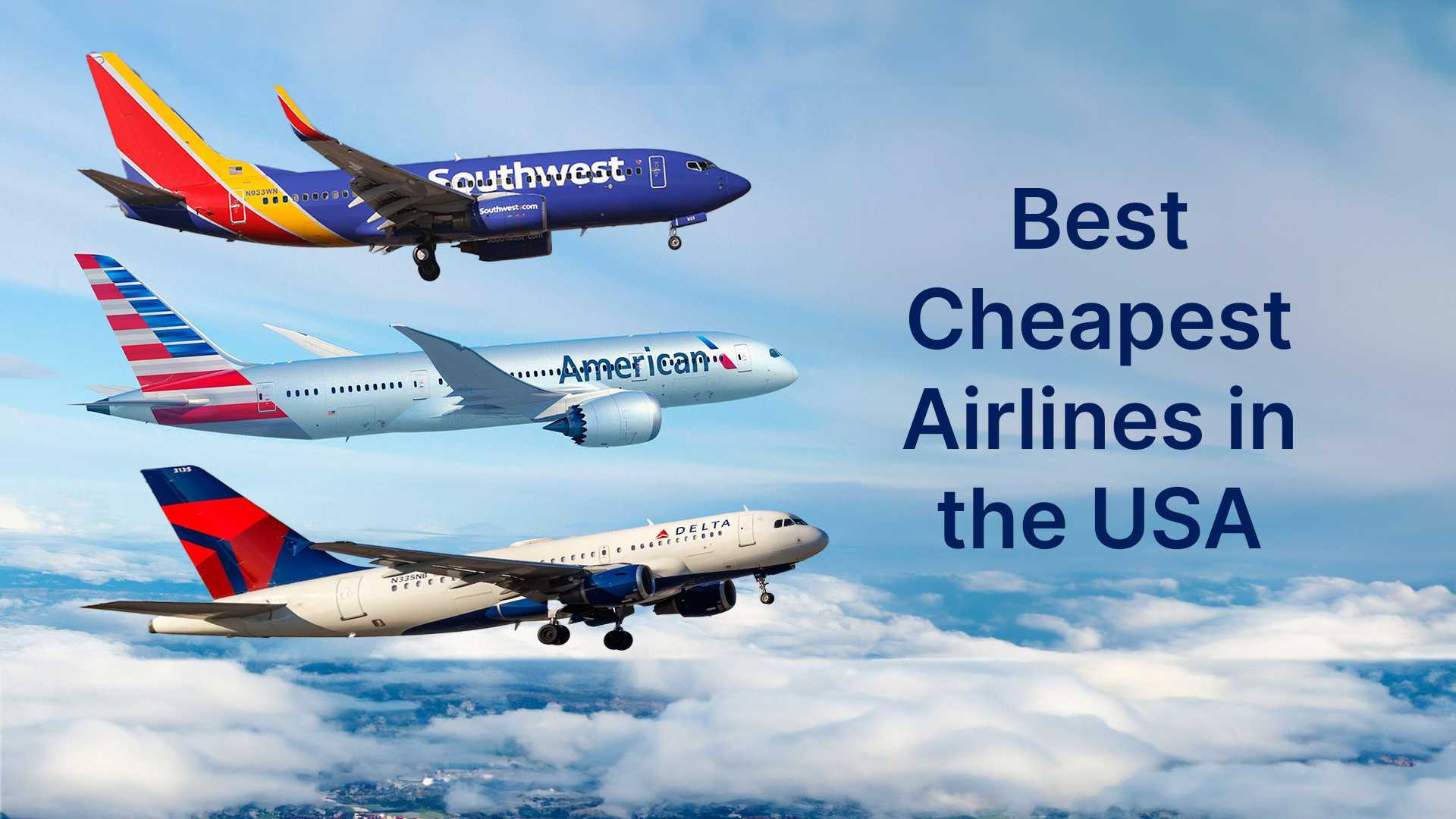
- Hedging Strategies: Major carriers like Southwest and Delta use complex fuel hedging—buying fuel months or years in advance at fixed prices. They are insulated from immediate market shocks.
- The Efficiency Gain: Modern fleets are significantly more fuel-efficient. A Boeing 787 Dreamliner or an Airbus A350 burns roughly 20-25% less fuel than the planes they replaced. Even if fuel costs rise, the cost per seat mile is dropping.
- The Competitive Floor: If United raises prices because of fuel, and Spirit doesn’t, United loses the route. In a hyper-competitive market, airlines eat the fuel cost to maintain market share.
High fuel prices aren't an excuse to charge you more; they are an excuse for inefficient airlines to go bankrupt. For the survivor, it's business as usual.
Demand Isn't Infinite (and the "Revenge Travel" Bubble Popped)
We keep hearing about "pent-up demand." The idea is that everyone who stayed home in 2020 is now willing to pay $1,500 for a coach seat to London.
That bubble has already burst.
Household savings are dwindling. Credit card interest rates are at historic highs. The "travel at any cost" mentality was a temporary psychological blip, not a structural shift in the economy. Airlines know this. They are already seeing "softening" in domestic yields. When demand drops, prices don't stay high because of "inflation"—they crater because an empty seat is a $0 revenue asset that still costs money to fly.
The Low-Cost Carrier (LCC) Invasion
The biggest reason tickets won't stay expensive is the sheer aggression of the budget sector. While legacy carriers talk about "premiumization" and charging for oxygen, carriers like Ryanair in Europe, Breeze in the US, and AirAsia in the East are flooding the market with capacity.
Airlines are essentially commodity brokers now.
Unless you are flying in a lie-flat pod with a champagne glass in your hand, you are buying a seat on a bus with wings. The moment a legacy carrier tries to push a domestic flight over $400, an LCC will swoop in with a $79 fare. This creates a price ceiling that is virtually impossible to break without a total industry monopoly—which regulators (thankfully) still pretend to care about.
Why You Think Flights Are Expensive (But They Aren't)
Most people who complain about "expensive flights" are making the same three mistakes. They are victims of their own bad habits, not a global economic conspiracy.
1. The Direct Flight Tax
People demand the convenience of flying non-stop from a major hub (JFK, LHR, LAX) and then act shocked when the price is high. You aren't paying for the flight; you are paying for the convenience. If you are willing to take a 2-hour layover in a "secondary" city like Reykjavik, Lisbon, or Charlotte, the price drops by 40%.
2. The Algorithmic Panic
Airlines use dynamic pricing that exploits your behavior. If you search for the same flight five times, the price goes up. Not because the "market" changed, but because the algorithm knows you’re desperate. If you aren't using a VPN and clearing your cookies, you are donating money to the airline.
3. Ignoring Secondary Airports
Flying into Heathrow is expensive. Flying into Gatwick or Stansted is cheap. Flying into San Francisco (SFO) is pricey. Flying into Oakland (OAK) is a bargain. The "expensive flight" narrative relies on data from primary hubs while ignoring the massive growth in secondary airport traffic.
The Hidden Truth: Fees Are the New Fare
Here is where the "prices are rising" crowd gets it half-right, but for the wrong reasons. The base fare—the actual cost to get your body from point A to point B—is lower than ever when adjusted for inflation.
The industry has moved to an "unbundled" model.
- Seat selection? Extra.
- Carry-on bag? Extra.
- Checking a bag? Massive profit margin.
- A sandwich? $12.
Airlines don't want high ticket prices because high prices attract taxes and discourage casual travelers. They want $19 base fares and $150 in "ancillary revenue." If you are smart enough to travel with a backpack and bring your own snacks, you are literally being subsidized by the "sucker" in 14B who paid for a checked bag and a priority boarding pass.
The "Green" Scare is a Paper Tiger
Critics point to environmental regulations and SAF (Sustainable Aviation Fuel) as the death knell for cheap flying. They argue that carbon offsets will add hundreds to every ticket.
This is a fundamental misunderstanding of corporate lobbying.
Airlines are some of the most politically connected entities on earth. They aren't going to let "green" mandates destroy their volume-based business model. Instead, they will lobby for subsidies to produce SAF, passing the cost to taxpayers rather than passengers. Or they will engage in "creative accounting" with carbon credits that cost pennies per passenger.
The idea that the industry will voluntarily commit suicide at the altar of environmentalism is a fantasy. They will adapt, they will greenwash, and they will keep the planes full.
How to Win in This Market
Stop looking at "average" flight prices. Averages are useless. They include the CEO flying last-minute on a corporate card and the family of five going to Disney.
To fly cheaply in an era where everyone says it’s impossible, you have to lean into the chaos of the industry:
- Book 21 days out or 4 months out. Nothing in between. The "sweet spot" has shifted because of AI-driven revenue management.
- Fly on Tuesday or Wednesday. This isn't just old-wives' wisdom anymore. It’s the day when business travel is settled and leisure travel hasn't started. The price gap between a Sunday flight and a Tuesday flight is often 300%.
- Use "Hidden City" Ticketing. If you want to go to Charlotte, it might be cheaper to buy a ticket to Atlanta that connects in Charlotte and simply walk out of the airport. (Just don't check a bag).
The Bottom Line
Airlines are terrified that you’ll realize how much excess capacity they actually have. They want you to think seats are scarce and prices are rising so you'll "book now" out of fear.
Don't bite.
We are entering an era of unprecedented fleet expansion and fierce competition from budget carriers that didn't exist a decade ago. The "expensive" era of flight is a ghost story told by legacy carriers to keep their stock prices up.
Cheap travel isn't going anywhere. You just have to be smarter than the algorithm trying to trick you into paying for it.
Pack light. Clear your cookies. Stop flying on Fridays.
The sky is still on sale.