For decades, Colorado was the only state in the country where you could wake up one morning and decide to be a funeral director without a single day of training. No degree. No license. Not even a high school diploma was technically required to handle the dead. That era of terrifyingly lax oversight is ending, but only after a string of stomach-turning scandals forced the state’s hand.
The horror stories aren't just rumors. They're part of a public record that reads like a low-budget slasher script. In Penrose, investigators found 191 bodies decomposing in a bug-infested building. In Montrose, a mother-daughter duo was caught dismembering bodies and selling parts to medical researchers without consent. In Denver, a body was left in a hearse for over a year. These aren't just "procedural errors." They're systematic betrayals of grieving families who were often handed urns filled with dry concrete mix instead of their loved ones' ashes.
The high cost of doing nothing
It's easy to wonder how it got this bad. Honestly, the answer is just old-fashioned bureaucracy and a weird obsession with deregulation. Colorado actually had licensing requirements until 1983, but they were scrapped during a "sunset review" where officials decided the industry didn't need that much watching. For 40 years, the state operated on a "trust but don't verify" system.
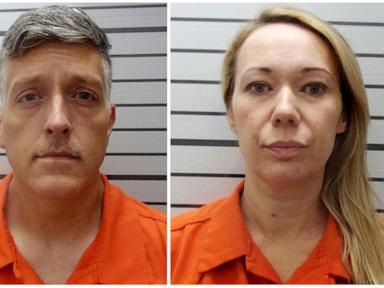
That trust was shattered by the Return to Nature Funeral Home case. Jon and Carie Hallford, the owners, didn't just mismanage their business; they ran a massive fraud. While they were "storing" nearly 200 bodies in a facility without refrigeration, they were spending nearly $900,000 in pandemic relief funds on luxury cars, cryptocurrency, and high-end jewelry from Gucci and Tiffany & Co.
In early 2026, the legal hammer finally dropped. Jon Hallford was sentenced to 40 years in state prison, while Carie received 18 years in federal prison for her role in the wire fraud and corpse abuse. But for the families involved, the prison time doesn't fix the trauma. Imagine finding out two years later that the "ashes" on your mantel are actually just Sakrete.
New laws with actual teeth
The Colorado legislature finally stopped dragging its feet in 2024 and 2025, passing a suite of bills meant to drag the state's death-care industry into the 21st century. The biggest shift is Senate Bill 24-173, which creates a mandatory licensing structure.
Starting in 2027, you can't just call yourself a funeral director. You’ll need:
- A degree in mortuary science.
- To pass a national board exam.
- At least one year of apprenticeship experience.
- A clean criminal background check (shocker, right?).
There’s also House Bill 26-1258, which just moved through the legislature this month. This one is huge for transparency. It restores public access to funeral home inspection reports. Previously, the state actually made these reports secret during the 2024 legislative cleanup, which was a massive blow to consumer rights. Now, you’ll be able to see if a facility has a history of "minor" issues before you sign a contract.
What families need to do right now
While the new licensing rules don't fully kick in until January 1, 2027, you don't have to wait to protect yourself. The industry is currently in a "provisional" phase where many operators are scrambling to get their paperwork in order.
Don't just pick the place with the best website or the "greenest" marketing. Return to Nature marketed itself as an eco-friendly alternative, and we saw how that turned out. Ask to see the prep room. Any reputable funeral director will let you see their facility—not the viewing room, but where the actual work happens. If they get defensive or mention "insurance liabilities" as a reason you can't see their refrigeration units, walk away.
Check for a current business registration with the Colorado Department of Regulatory Agencies (DORA). While individual licenses are still rolling out, the facility itself must be registered. If they’ve had disciplinary actions in the past, DORA is now legally required to make those logs accessible. Use that data. It’s the only way to ensure the person you’re trusting with your family isn't just another con artist with a hearse.


