The Breath After the Scream
In a small apartment in Beirut, a woman named Mariam—this is a name chosen for the thousands like her—watches the dust motes dance in a sliver of Mediterranean sunlight. For weeks, the air has been heavy with the scent of pulverized concrete and the metallic tang of fear. But today, the sky is empty of the familiar, predatory whine of drones. There is a silence so profound it feels heavy.
This is the sound of a ceasefire extension. It is not peace. Not yet. It is a collective holding of breath, a fragile pause where the mechanics of diplomacy finally catch up to the exhaustion of the human spirit.
Across the border, in a northern Israeli kibbutz, a father grips the steering wheel of a car packed with suitcases. He is looking at the charred remains of a neighbor’s shed, weighing the word "extension" against the reality of his children’s nightmares. The news cycle calls it a diplomatic breakthrough. To him, it is a gamble with the lives of the people he loves most.
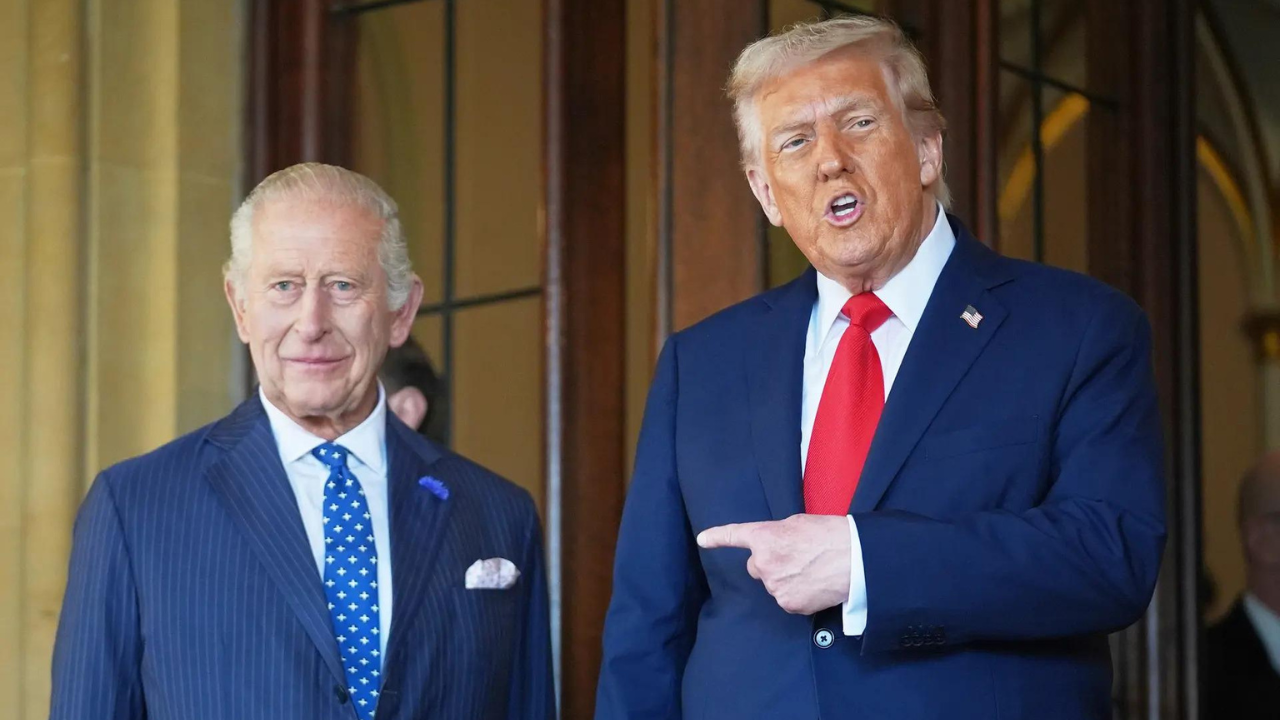
The geopolitical machinery has ground into a new gear. Israel and Lebanon have agreed to stretch the quiet, pushing the boundaries of a temporary truce into something that might, with enough pressure and luck, resemble a lasting settlement. Behind the scenes, the rhetoric is shifting. The transition of power in Washington has introduced a new, unpredictable energy into the room. Donald Trump has signaled a "great chance" for a permanent deal, a statement that carries the weight of a sledgehammer in a room full of glass.
The Architecture of a Pause
War is loud, but the diplomacy that stops it is conducted in whispers and frantic, late-night secure lines. The current extension didn't happen because of a sudden surge in altruism. It happened because of the cold, hard math of attrition.
Military resources are finite. Political capital is even scarcer.
The framework currently on the table isn't just about stopping the rockets; it’s about redrawing the invisible lines of influence. It involves the withdrawal of armed groups from southern Lebanon and the deployment of the Lebanese Armed Forces to the border—a move designed to ensure that the "blue line" remains a boundary rather than a front line. This is the technicality. The reality is much messier.
Imagine a chess board where the pieces have their own agendas, and the players are being shouted at by spectators from every side. The extension buys time for the negotiators to figure out who monitors the monitor. If a violation occurs, who pulls the trigger on the consequences? Without a clear answer, a ceasefire is just a countdown to the next explosion.
The stakes are invisible until they aren't. They are found in the fluctuating price of oil, the strain on international shipping lanes, and the psychic toll on an entire generation of children who now associate the sound of a slamming door with the end of the world.
The Trump Variable
Politics is often a game of shadows, but the entry of a new American administration adds a spotlight that changes where those shadows fall. When Donald Trump speaks of a "great chance" for peace, he isn't speaking the language of traditional State Department careerists. He is speaking the language of the deal.
For the leaders in Jerusalem and Beirut, this creates a new set of incentives.
Wait.
That is the strategy for many. If a more favorable or more forceful deal is coming in the new year, why settle for the scraps of the current one? Yet, the extension suggests a different realization: the cost of waiting might be higher than the cost of compromising. The "great chance" isn't a guarantee; it's a window. And windows in the Middle East have a habit of slamming shut when the wind shifts.
The influence of the United States remains the gravity around which these negotiations orbit. Whether through the current administration's persistent shuttle diplomacy or the looming shadow of the next, the message sent to the region is clear: the status quo is no longer an option. The world is tired of the fire.
The Ghost of the Border
To understand why this extension matters, you have to look at the ground itself. The border between Israel and Lebanon is a beautiful, treacherous stretch of rocky hills and ancient olive groves. It is a place where history is buried in layers, each conflict leaving behind a new strata of rubble.
Consider a hypothetical shopkeeper in Tyre. For him, the news of an extension means he might finally restock his shelves without wondering if they will be splinters by Tuesday. But he does so with trembling hands. He knows that a "ceasefire" in official documents doesn't always translate to safety in the streets.
There is a psychological phenomenon known as "pre-traumatic stress." It is the constant, vibrating anxiety of waiting for the other shoe to drop. The extension of a ceasefire is, in some ways, an extension of this tension. It is a reprieve that demands a high price in mental endurance.
The statistics tell us that thousands have been displaced. The narrative tells us that these thousands are not just numbers; they are families living in school gyms, grandmothers missing their gardens, and students whose education has been replaced by the study of ballistics.
The Mechanics of Trust
Trust is a luxury the Middle East cannot currently afford. Instead, the negotiators are building a structure based on "verifiable caution."
This isn't about liking the person on the other side of the table. It's about creating a situation where the cost of breaking the agreement is higher than the benefit of sticking to it. This involves complex international oversight, perhaps involving the French or the Americans, to act as the eyes and ears on the ground.
But even the best-laid plans are subject to the "spoiler effect." In any conflict, there are factions that thrive on the chaos. For them, a peace deal is a death sentence for their relevance. The extension is a race against these spoilers. It is an attempt to build enough momentum toward stability that the inevitable attempts to derail it fail to find purchase.
It is a fragile, ugly, and beautiful process. It is the work of cynical men trying to find a way to let cynical people live in peace.
The Weight of the Word
Language matters. We use words like "extension," "framework," and "accord" to sanitize the raw reality of survival.
But if you strip away the jargon, what you have is a simple human plea: Not today.
Today, the children in the Galilee don't have to run for the shelters. Today, the families in the suburbs of Beirut can look at the sky and see only clouds. The "great chance" for peace is not a certainty, and it is certainly not easy. It is a mountain that must be climbed one grueling, uncertain step at a time.
The extension is that step.
It is the moment when the gunmen lower their sights, just for a second, to see what the world looks like without smoke. It is the realization that while victory is a seductive ghost, survival is a tangible, precious thing that can be held in the hand.
The sun sets over the Mediterranean, casting a long, golden light over a region that has seen too much darkness. The sirens are silent. The pundits are talking. The diplomats are typing. And in a thousand darkened rooms, people are closing their eyes, hoping that when they wake up, the silence will still be there.
It is a thin, precarious quiet. But it is the only one we have.