The bus stop is a universal symbol of the mundane. It is a place of transition, defined by the quiet rhythm of the city—the hiss of air brakes, the glare of headlights against wet pavement, and the shared, silent patience of strangers. For a teenage girl standing under those flickering lights, the world should have been nothing more than a series of small, predictable annoyances. A late bus. A cold wind. The blue light of a smartphone screen.
Instead, the mundane shattered. It didn’t break with a warning. It broke with the cold pressure of a knife against skin and the sudden, terrifying realization that the safety of a public space is a fragile illusion. Expanding on this theme, you can also read: Why the Green Party Victory in Manchester is a Disaster for Keir Starmer.
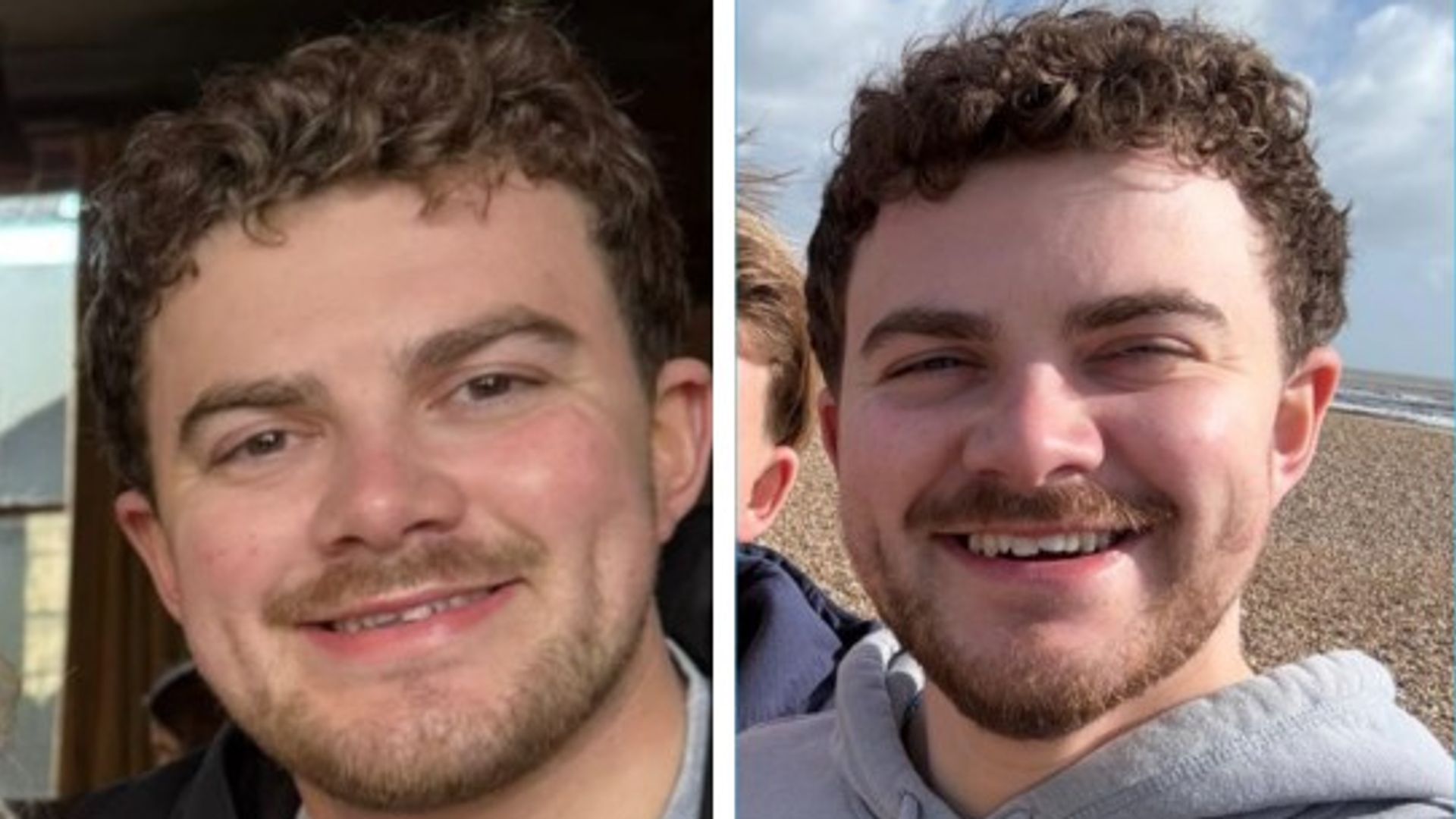
Aaron Thompson did not just commit a crime that night. He dismantled a life. When he stepped out of the shadows and forced that girl away from the relative sanctuary of the curb, he wasn't just seeking a victim; he was hunting. The facts laid out in court speak to a level of calculated cruelty that defies the standard "crime of passion" narrative. This was predatory. This was a man who saw a child as a target and a bus stop as a trap.
The Weight of the Steel
Imagine the weight of a knife when it isn't in a kitchen drawer. When it is held by a stranger in the dark, a blade becomes the only thing in the universe. It dictates where you breathe, how you move, and whether you speak. For the victim, the minutes that followed her abduction were not a sequence of events but a suspension of time itself. Observers at Al Jazeera have shared their thoughts on this trend.
Thompson didn't just take her body; he took her agency. He marched her away from the lights, away from the possibility of a passing car or a late-night commuter, and into a nightmare that most people only encounter in the flickering safety of a cinema screen. But there was no "cut" here. No credits. Only the raw, visceral reality of a man who had decided his desires outweighed a human soul.
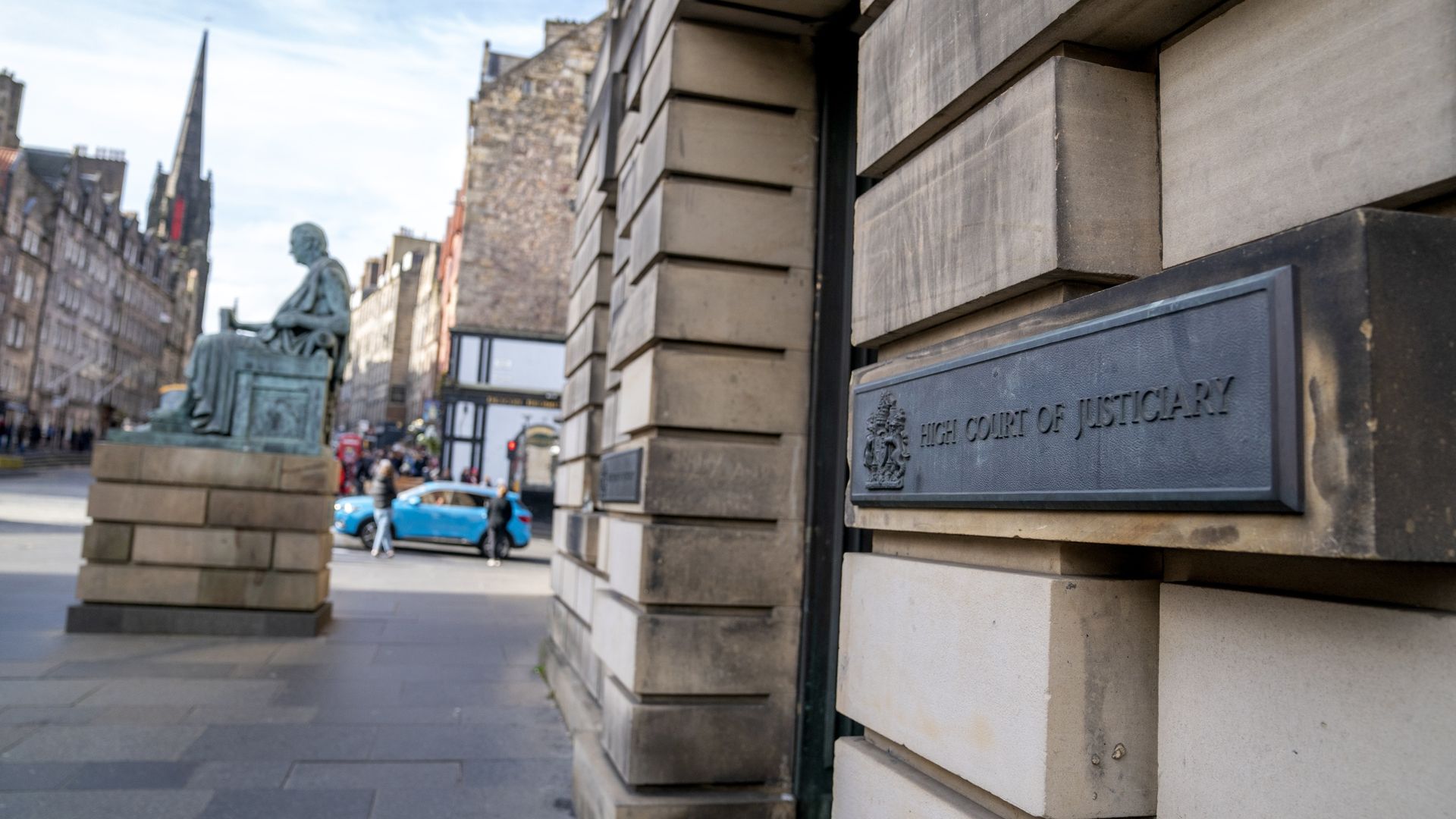
The legal system often struggles to quantify this kind of trauma. We speak in terms of "counts," "sentencing guidelines," and "prosecutorial evidence." We look at the DNA swabs and the CCTV footage—the grainy, black-and-white ghosts of Thompson stalking his prey. Yet, none of those clinical terms capture the sensory overload of the attack. They don't capture the smell of the damp earth, the sound of a zipper, or the way the heart hammers against the ribs until it feels like it might burst.
A History Written in Red
To understand why Aaron Thompson is now facing the rest of his life behind bars, you have to look past this single night. Predators like Thompson rarely emerge from a vacuum. They are often the product of a slow escalation, a series of crossed boundaries that eventually lead to the ultimate violation.
The court heard the grim details of his past, a ledger of behavior that suggested a man who viewed women not as people, but as obstacles or opportunities. When a judge looks at a man like Thompson, they aren't just sentencing him for what he did on that specific Tuesday at a bus stop. They are sentencing him for the danger he represents to every woman walking home tonight. They are sentencing the shadow he casts.
The defense might speak of a troubled upbringing or mental health struggles. They might try to humanize the monster by painting him as a victim of his own circumstances. But the law, in its most righteous form, must remain focused on the choice. Thompson chose the knife. He chose the girl. He chose to ignore the screams, whether they were vocalized or etched into the wide, terrified eyes of a child.
The Invisible Sentence
While Thompson prepares for a life inside a cell, the victim is serving a sentence of her own. This is the part of the story the headlines often miss. When the trial ends and the news cycle moves on to the next tragedy, the girl from the bus stop remains.
She is the one who will now flinch when a stranger walks too close on a crowded sidewalk. She is the one who will check the locks on her door three, four, five times before she can even think about sleep. For her, every bus stop is now a site of potential violence. Every shadow is a person waiting with a blade.
This is the "invisible stake" of the crime. The physical wounds heal, but the psychic geography of her world has been permanently altered. The city she lived in—the streets she thought she knew—has been replaced by a map of triggers and danger zones. We talk about Thompson losing his freedom, but he already stole hers long before the handcuffs clicked shut.
The Calculus of Justice
In the courtroom, justice is often a matter of mathematics. Years served minus time for good behavior. The age of the victim multiplied by the severity of the weapon. But how do you calculate the loss of innocence?
The prosecution pushed for a life sentence because some acts are so heinous they forfeit the right to participate in society. There is no rehabilitation for the hand that holds a knife to a child's throat. There is only containment. By seeking the maximum penalty, the state isn't just punishing Thompson; it is making a vow to the public. It is saying that there are certain lines that, once crossed, cannot be uncrossed.
Consider the bravery it took for that girl to stand up and recount the details of her violation. To look at the man who broke her world and tell the truth. That is a level of courage that Thompson, for all his posturing and violence, will never understand. He used steel to exert power; she used her voice.
One is the tool of a coward. The other is the weapon of a survivor.
The Light at the Curb
The bus stop still stands. People still wait there, checking their watches, scrolling through their phones, unaware that the ground beneath their feet was once the site of a life-altering horror.
There is a cold comfort in the fact that Thompson will likely never walk those streets again. But the real victory isn't in the length of his sentence. It’s in the resilience of the human spirit. It’s in the fact that, despite everything he tried to take, he couldn't take the victim's future.
The light at the bus stop continues to flicker, a small, stubborn defiance against the dark. It reminds us that while predators may hunt in the shadows, the law eventually finds them. And while the scars remain, they are also proof that the victim survived the blade.
The bus is coming. The doors will open. And this time, she will be the one moving forward, while he stays exactly where he belongs—locked in the silence of a cage, a ghost of his own making.
Would you like me to analyze the psychological profiling used in cases of predatory abduction to further understand how these crimes are prosecuted?