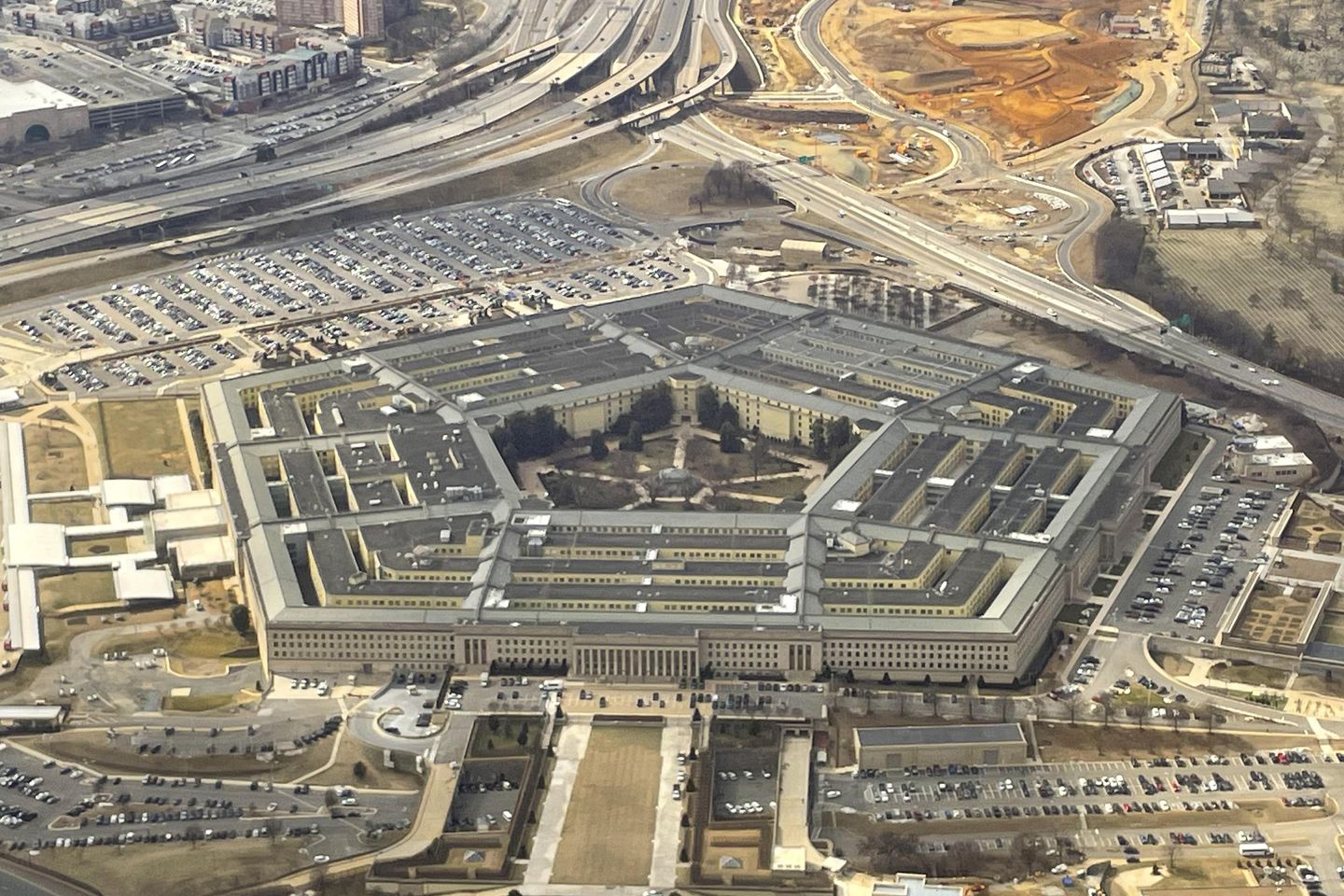
The hand-wringing over the Pentagon closing the Correspondents’ Corridor is as predictable as it is misguided. For decades, the defense press corps has treated a few dusty desks and a shared landline inside the E-Ring as the literal front line of democracy. They want you to believe that losing a physical cubicle in Arlington is a fatal blow to the First Amendment.
It isn't. It’s an overdue eviction of a legacy media model that has spent years prioritizing proximity over actual scrutiny.
The narrative currently being pushed by the Pentagon Press Association is one of "unprecedented restriction." They claim that by shuttering this specific workspace amidst a legal dispute over credentialing, the Department of Defense is building a wall between the public and the truth. This argument relies on a romanticized, 1970s-era vision of journalism where "getting the scoop" requires bumping into a three-star general at the snack bar.
The reality? Proximity is the enemy of objectivity. The "Correspondents' Corridor" was never a bastion of transparency; it was a breeding ground for institutional capture.
The Proximity Trap
I have spent years watching reporters "embed" themselves into the culture of the buildings they cover. When you sit in the same hallway as the people you are supposed to hold accountable, you start to speak their language. You start to value the relationship more than the revelation.
The Pentagon isn't just a building; it's a social ecosystem. By providing a physical workspace, the DoD effectively domesticates the press. Reporters begin to worry about losing their "hall pass" more than they worry about missing a story. This is the Access-Accountability Paradox: The closer you get to the seat of power, the less likely you are to stand up to it.
Closing the corridor doesn't kill journalism. It forces it to move outside the wire, where it belongs.
The Credentialing Myth
The legal fight at the heart of this closure involves the Pentagon’s move to tighten its rules on who gets a permanent pass. The press corps views this as a gatekeeping exercise. They aren't entirely wrong, but they are asking the wrong question.
The question isn't "Why is the Pentagon making it harder to stay?" The question is "Why are we still pretending a plastic ID card defines a journalist?"
The DoD is a bureaucracy. Bureaucracies love rules. They have spent the last few years redefining "full-time" journalism to exclude freelancers, digital-first startups, and independent investigators. The legacy media outlets fighting this closure are actually complicit. They enjoy a closed-shop environment where only the "established" names get desk space.
By crying foul now, they are merely protecting their own real estate. If the Pentagon wants to play games with credentials, the solution isn't to beg for the keys back. The solution is to render the credentials irrelevant.
The High Cost of the Desk
Let’s talk about the logistics of the "Corridor." It’s a series of cramped workspaces that look like a 1990s call center. The "access" it provides is largely performative. You get to attend the same briefings as everyone else and ask the same scripted questions.
Real investigative work—the kind that uncovered the $2 trillion price tag of the F-35 or the systemic failures in military housing—doesn't happen because a reporter had a desk near the Secretary's office. It happens through FOIA requests, whistleblower leaks, and deep data analysis. None of that requires being physically present in a windowless room in Virginia.
In fact, being in the building is often a distraction. It subjects reporters to the "spin cycle" in real-time. You are fed a constant stream of "backgrounders" and "off-the-record" tidbits designed to shape a specific narrative. When you are physically removed from the building, you are forced to find your own leads rather than waiting for the Press Office to hand-deliver them.
The Security Theater Argument
The Pentagon claims the closure is about "efficiency" and "security." That’s a lie, of course. It’s about control. They are using a legal technicality to punish a press corps that has become, in their eyes, too litigious.
But here is the contrarian truth: The press should welcome the exclusion.
When the government provides you with an office, they provide you with a leash. They control the Wi-Fi. They control the physical access. They can monitor who walks in and out of your door. In an era of sophisticated internal surveillance, a journalist working out of the Pentagon is working in a glass house.
Moving the press corps to a nearby off-site location—or better yet, forcing them back to their own newsrooms—is the best thing that could happen to defense journalism. It breaks the "Stockholm Syndrome" of the E-Ring.
Why the Press is Terrified
Why is the media fighting so hard for a crappy office? Because they are terrified of the work required to cover the Pentagon from the outside.
Covering the DoD from within the Corridor is easy. You show up, you wait for the "gaggle," you transcribe the quotes, and you’re home by 6:00 PM. It’s stenography masquerading as reporting.
To cover the Pentagon from the outside requires:
- Developing a network of sources who aren't authorized to speak to you.
- Mastering the intricacies of the defense budget without a PR flack to explain it.
- Building databases of contract awards and lobbying efforts.
The Corridor was a crutch. The Pentagon just kicked it away. Instead of limping, the press should learn how to run.
The Digital Reality
We live in a world where a teenager in their bedroom can track Russian oligarchs' jets using open-source flight data. We live in a world where satellite imagery is available to anyone with a credit card. The idea that a physical presence in a specific hallway is "paramount" (to use a word I hate) is laughable.
The Pentagon is trying to exert control by reclaiming a few hundred square feet. The press is playing into their hands by acting like that space is sacred.
If the DoD wants to hold briefings, they can do them at the National Press Club. They can do them via encrypted video link. They can do them in a parking lot. The location is irrelevant to the truth.
Stop Crying and Start Investigating
The current legal battle will likely drag on for months. The Pentagon will claim "administrative necessity," and the press will claim "First Amendment infringement." Both sides are performing for their respective audiences.
If you are a defense reporter, stop fighting for your desk. Let the Pentagon have it. Let them turn it into another conference room for contractors to discuss how to overcharge for ball bearings.
Your job isn't to be a guest in their house. Your job is to be the person watching the house from the treeline.
The closure of the Correspondents' Corridor is the end of an era of cozy, convenient journalism. Good. The era was a failure. The massive intelligence lapses, the "forever wars," and the unchecked growth of the military-industrial complex all happened while reporters were sitting in that corridor.
The Pentagon thinks they are winning by pushing the press out. They are actually making the press more dangerous by making them independent. Or at least, they would be, if the press were brave enough to stop begging for their old seats back.
The next time a spokesperson tells you they are "optimizing the workspace," don't file a lawsuit. File a records request for the metadata of the last ten generals who visited the Boeing office across the street. That’s journalism. Sitting in a hallway waiting for permission to ask a question is just waiting.
The Corridor is dead. Long live the hunt.