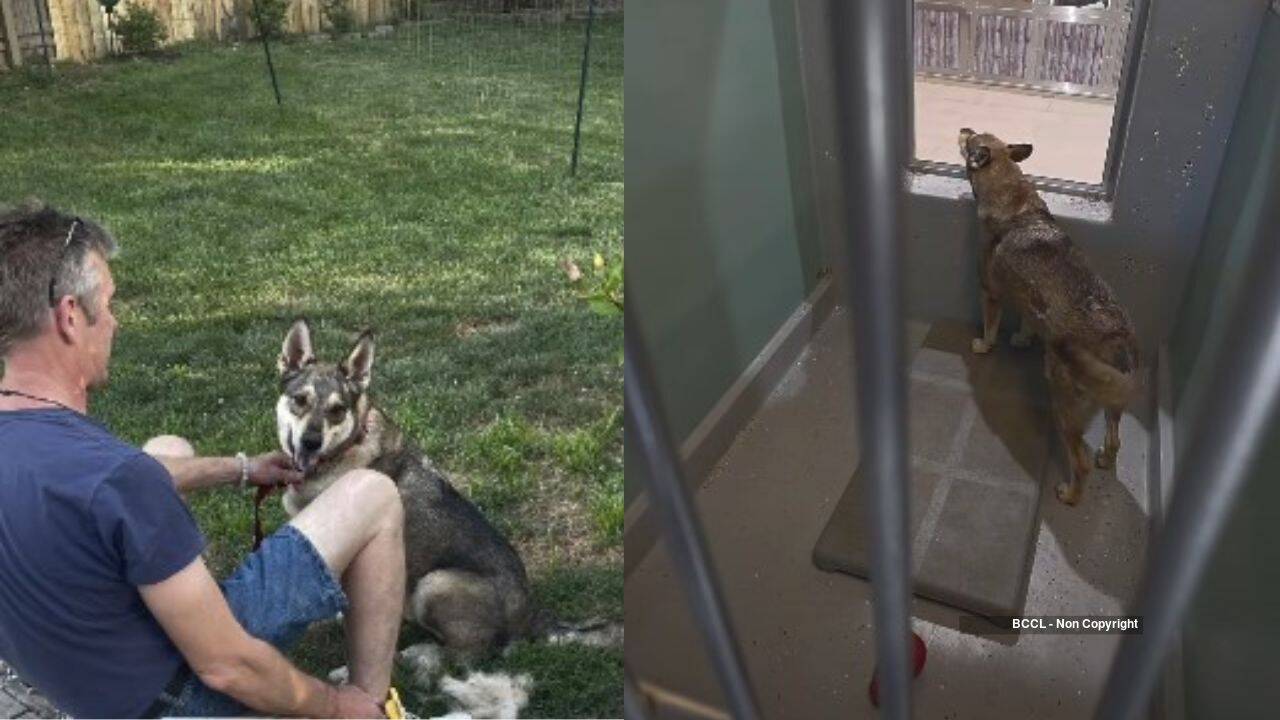
The feel-good animal rescue narrative is broken. Every week, media outlets run the same copy-paste profile: a down-on-his-luck dog endures months or years in a crowded shelter, gets rebranded as a "resilient survivor," and eventually gets adopted into a "forever home" after a viral social media campaign. Readers wipe away a tear, hit share, and feel like justice was served.
It makes great clickbait. It is terrible policy.
When we reduce animal welfare to emotional fairy tales about individual animals like Duke, we actively obscure the structural failures of the shelter system. We reward emotional consumption over systemic solutions. The reality is that the hyper-fixation on long-stay "sob story" dogs does not solve the pet overpopulation crisis—it masks it while burning out shelter staff and misleading adopters.
The Long-Stay Trap: When Heroic Rescue Becomes Harm
We love a triumph-over-adversity story. But shelters are not hotels, and long-term institutionalization takes a massive toll on canine mental health.
When a shelter holds a dog for two years waiting for that one hyper-specific adopter with no kids, no cats, a six-foot fence, and a work-from-home schedule, they are making a quiet trade-off. They are spending thousands of dollars, hundreds of staff hours, and a finite kennel spot on a single animal while dozens of highly adoptable, behaviorally sound dogs are turned away or quietly euthanized at open-intake facilities down the street.
Behavioral deterioration in long-stay shelter animals is well-documented. Kennels are loud, high-stress, visually overstimulating environments. Over time, chronic stress alters a dog's cortisol levels, leading to barrier reactivity, compulsive behaviors, and heightened anxiety.
By the time a long-stay dog gets featured in a "heartbreaking journey" news piece, the shelter is often adopting out a dog with severe behavioral baggage to an average family that is wildly unprepared to manage it.
The "Forever Home" Myth vs. Behavioral Reality
The standard narrative tells us that all a shelter dog needs is love. It is a comforting lie.
Love does not rewrite genetic predispositions, severe separation anxiety, or resource guarding. When local news channels push emotional, narrative-driven adoption profiles, they attract impulse adopters driven by sympathy rather than readiness.
Consider what happens after the camera crews leave:
- The Honeymoon Phase Ends: The dog enters a home, drops its defense mechanisms after a few weeks, and displays entrenched behavioral issues.
- Adopter Guilt: The adopter, realizing they are out of their depth, feels immense shame because they were sold a story of "gratitude" and "resilience," not the grueling reality of behavioral modification.
- The Silent Return: The animal ends up back in the system, more traumatized than before, or gets passed around private rehoming groups.
If we want to actually help animals, we have to strip away the romance. Adoption should be an operational match based on lifestyle, environment, and capacity—not a emotional response to a viral profile.
The Resource Allocation Equation
Shelter management is a game of finite resources and triage. Every decision to allocate space and budget carries an opportunity cost.
Total Shelter Capacity = Kennel Space + Staff Hours + Medical/Behavioral Budget
When a rescue organization commits six months of intensive behavior rehab and custom boarding to one dog, that decision directly impacts the surrounding community.
| Standard Long-Stay Approach | Systemic Prevention Approach |
|---|---|
| Focuses resources on individual downstream rescue cases | Directs funds upstream to spay/neuter and targeted retention |
| Keeps kennels occupied for months at a time | Maximizes kennel turnover for healthy, adaptable pets |
| Relies on guilt-driven, narrative marketing | Relies on transparent, data-driven matching |
| High rate of burnout among shelter care staff | Sustainable workload and reduced compasssion fatigue |
The math is unforgiving. High-volume, low-cost spay and meuter clinics, community pet food banks, and temporary crisis boarding keep pets in their original homes and stop intake at the source. Yet, these preventive measures rarely go viral. They lack the neat, dramatic narrative arc of a single dog named Duke "finding his forever home."
What Real Animal Welfare Progress Looks Like
Stop sharing feel-good news segments that celebrate a shelter keeping a dog in a box for 500 days. Start demanding operational efficiency and community-level support.
If you actually want to make a difference in local shelter metrics:
- Fund Upstream Solutions: Donate directly to low-income spay/neuter initiatives and medical assistance funds that keep pets with their original owners.
- Adopt for Compatibility, Not Pity: Choose an animal whose energy level and behavioral profile fit your actual daily routine, not the one with the sad story on social media.
- Demand Transparency: Support shelters that publish clear intake, outcome, and length-of-stay data rather than relying purely on emotional marketing campaigns.
The goal should never be to create viral moments out of individual animal suffering. The goal must be to build a community infrastructure where long-stay shelter stories become completely obsolete.