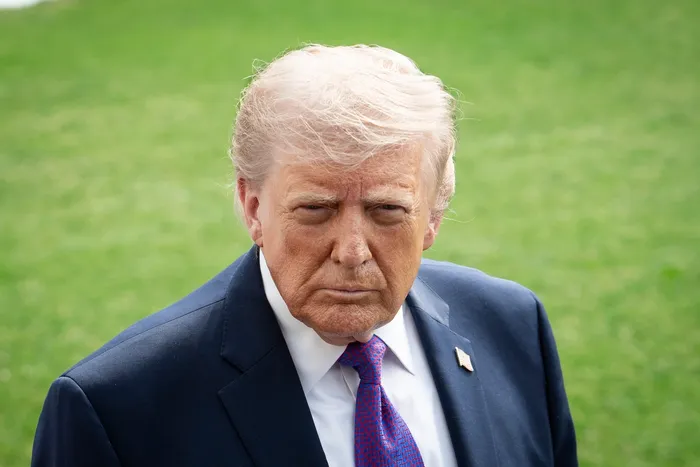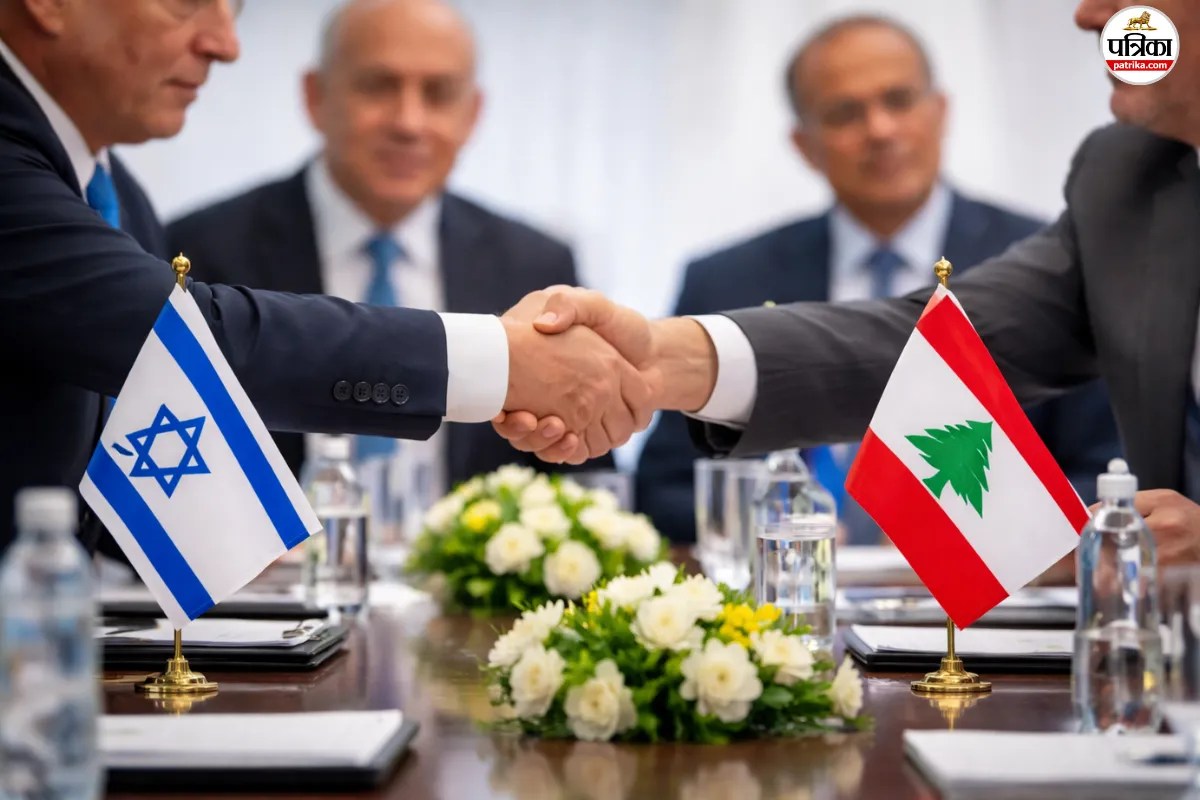
Thirty-four years of silence, tension, and intermittent bloodshed might finally be hitting a wall. Donald Trump didn't waste any time after his return to the world stage, declaring a new push for peace between Israel and Lebanon. He calls it "relief for peace." It's a phrase that sounds simple, but in the Middle East, nothing ever is. The reality on the ground is messy, violent, and deeply rooted in decades of animosity.
Israel and Lebanon haven't seen eye-to-eye since the official end of the Lebanese Civil War. For over three decades, the border has been a powder keg. Now, with Trump pushing a deal, the question isn't just about whether they can stop shooting. It's about whether the region can actually sustain a world where these two neighbors coexist without a proxy war standing in the middle. If you liked this post, you might want to read: this related article.
The 34 year shadow hanging over the border
Since 1990, the relationship between these two nations has been defined by the absence of a formal peace treaty. Lebanon never signed on to the Abraham Accords. It didn't follow the path of Egypt or Jordan. Instead, it became a playground for regional powers. Israel sees Lebanon not just as a country, but as a launchpad for Hezbollah. Lebanon sees Israel as a constant threat to its sovereignty.
This isn't just about maps. It's about the fact that an entire generation has grown up knowing only the sound of sirens and drones. When Trump talks about "relief," he's tapping into a very real exhaustion. Lebanon is currently a failing state economically. Its currency is worth less than the paper it's printed on. People are hungry. Israel, while militarily dominant, is tired of the constant drain on its reserves and the displacement of its northern citizens. For another angle on this event, refer to the latest coverage from The New York Times.
Why Trump thinks his approach works this time
Trump's brand of diplomacy has always been transactional. He doesn't care much for the slow, grinding process of traditional State Department careerists. He wants a win. He wants a deal. By framing this as "relief for peace," he's essentially putting a price tag on stability.
The logic is straightforward. Lebanon needs an economic lifeline. Israel needs security. If the United States can facilitate a massive influx of investment or debt relief for Lebanon in exchange for a demilitarized zone or a pullback of hostile forces, it changes the math. It's not about liking each other. It's about needing the money more than the fight.
Critics say this ignores the ideological roots of the conflict. You can't just buy off groups like Hezbollah, right? Well, the counter-argument is that Hezbollah's grip on Lebanon depends on the country being in a state of perpetual "resistance." If the Lebanese people see a clear path to prosperity that doesn't involve being a human shield for Tehran, that grip starts to slip.
The Hezbollah factor in the peace equation
We have to talk about the elephant in the room. Hezbollah isn't just a militia; they're a political party and a social services provider in Lebanon. They get their orders—and their rockets—from Iran. Any peace deal that Trump brokers has to account for how you sideline a group that is better armed than the actual Lebanese Army.
Recent reports suggest that the "relief" Trump mentioned might be tied to specific benchmarks. These aren't just vague promises. We're talking about border demarcation and the enforcement of UN Resolution 1701. That resolution was supposed to keep Hezbollah away from the border after the 2006 war, but it's been a joke for years.
If the new administration can actually get the Lebanese government to step up—backed by international funding—the dynamic shifts. It’s a high-stakes gamble. If it fails, it just provides a breather for militants to rearm. If it works, it breaks the "Shiite Crescent" that Iran has spent billions to build.
Economic collapse as a catalyst for change
Lebanon’s economy is a disaster. That’s not an opinion; it’s a statistical fact. Inflation has hit triple digits. The banking system is a literal crime scene. This is why the word "relief" carries so much weight. In previous decades, Lebanon had enough of a middle class to stay proud and defiant. Now, the country is desperate.
Israel knows this. They aren't just fighting a military war; they're watching a neighbor implode. A total collapse of Lebanon is bad for Israel. It creates a vacuum that even more radical groups could fill. So, strangely enough, Israel has a vested interest in a stable—though neutralized—Lebanon.
Trump’s plan seems to lean into this desperation. He's betting that the Lebanese people are so tired of the darkness (both literal and metaphorical, given the power outages) that they’ll accept a deal that was unthinkable ten years ago. It’s a cynical view of peace, but in this part of the world, cynicism is often the only thing that’s realistic.
What relief for peace actually looks like on the ground
If this deal moves forward, don't expect a handshake on the White House lawn immediately. It'll start with small, boring things. Maritime border agreements were a start, but the land border is the real prize. We're looking at a potential "Blue Line" that is actually respected.
- Investment in Lebanese Infrastructure: Think power plants and clean water systems funded by Gulf states and Western tech.
- Security Buffers: A real, enforced zone where no one with a yellow flag and a rifle is allowed to wander.
- Refugee Solutions: Dealing with the millions of displaced people who have strained Lebanon’s resources to the breaking point.
It’s about creating a "cost" for breaking the peace. If Lebanon starts to recover, the cost of going back to war becomes too high for the average citizen to tolerate. Trump wants to make peace the most profitable option on the table.
Why 34 years matters today
The number 34 isn't arbitrary. It marks the time since the Taif Agreement supposedly ended the internal Lebanese conflict. Since then, the country has been in a weird limbo. It's not at war, but it's definitely not at peace. Israel has invaded, withdrawn, and engaged in dozens of skirmishes.
Trump’s announcement is a signal that the "limbo" era is over. One way or another, the status quo is dying. Either there is a fundamental shift in how these two countries relate, or we are looking at a much larger, much more destructive conflict that will make the last 30 years look like a warmup.
I've seen these cycles before. Everyone gets excited about a "new era" and then a single assassination or rocket strike blows it all up. But there’s something different about the current exhaustion level. The regional players—Saudi Arabia, the UAE, and even some factions within Lebanon—are looking at the map and realizing that the old way of doing business just leads to poverty and rubble.
The role of regional allies in the Trump plan
Trump isn't doing this alone. He's leaning heavily on his relationships with Gulf monarchs. They have the cash that Lebanon needs. But they won't give a cent if that money just ends up in a Hezbollah slush fund. This creates a pincer move on the Lebanese political elite.
- Pressure from the South: Israel’s military might.
- Pressure from the East: Gulf financial leverage.
- Pressure from the West: US diplomatic and economic sanctions.
It's a squeeze play. The goal is to force a choice. You can have the "relief" Trump is talking about, or you can have the "resistance" Iran is selling. You can't have both anymore. That’s the core of the Trump doctrine in 2026. It's blunt, it's aggressive, and it doesn't care about hurt feelings in diplomatic circles.
Real risks that could tank the deal
Let's be honest. This could go south fast. Iran isn't going to just sit there while its most expensive proxy is mothballed. They have every incentive to trigger a massive escalation to prove that they still hold the keys to the region. If a major conflict breaks out before the "relief" can even start, the whole plan evaporates.
Then there's the internal Israeli politics. Any prime minister who looks like they’re "going soft" on the northern border risks a massive backlash from the right wing. For a deal to stick, Israel has to feel 100% secure that the rockets have stopped for good. That's a tall order when you're dealing with tunnels and hidden caches that have been built up over decades.
How to track the progress of these talks
Don't look at the official press releases. Those are mostly fluff. If you want to know if this is actually happening, watch three things:
First, look at the Lebanese energy sector. If major international companies start signing deals to develop gas fields or build solar grids with US backing, the deal is moving. Second, watch the movement of the Lebanese Armed Forces (LAF). If they start moving south in significant numbers with new equipment, it means a security arrangement is being implemented. Third, keep an eye on the rhetoric coming out of Tehran. The more desperate and angry the statements, the more likely it is that the "relief for peace" plan is actually gaining traction on the ground.
This isn't a fairy tale. It's a high-stakes poker game where the chips are lives and the stakes are the future of the eastern Mediterranean. Trump has laid his cards on the table. Now we see who's willing to call his bet. Stop waiting for a perfect solution. In this region, a "good enough" deal that keeps people from dying is a miracle. That's what we're aiming for. Stay updated by following independent analysts who understand the sectarian nuances of Beirut and the security requirements of Tel Aviv. The next six months will determine if the next 34 years look like the last 34, or if something fundamentally better is finally possible.