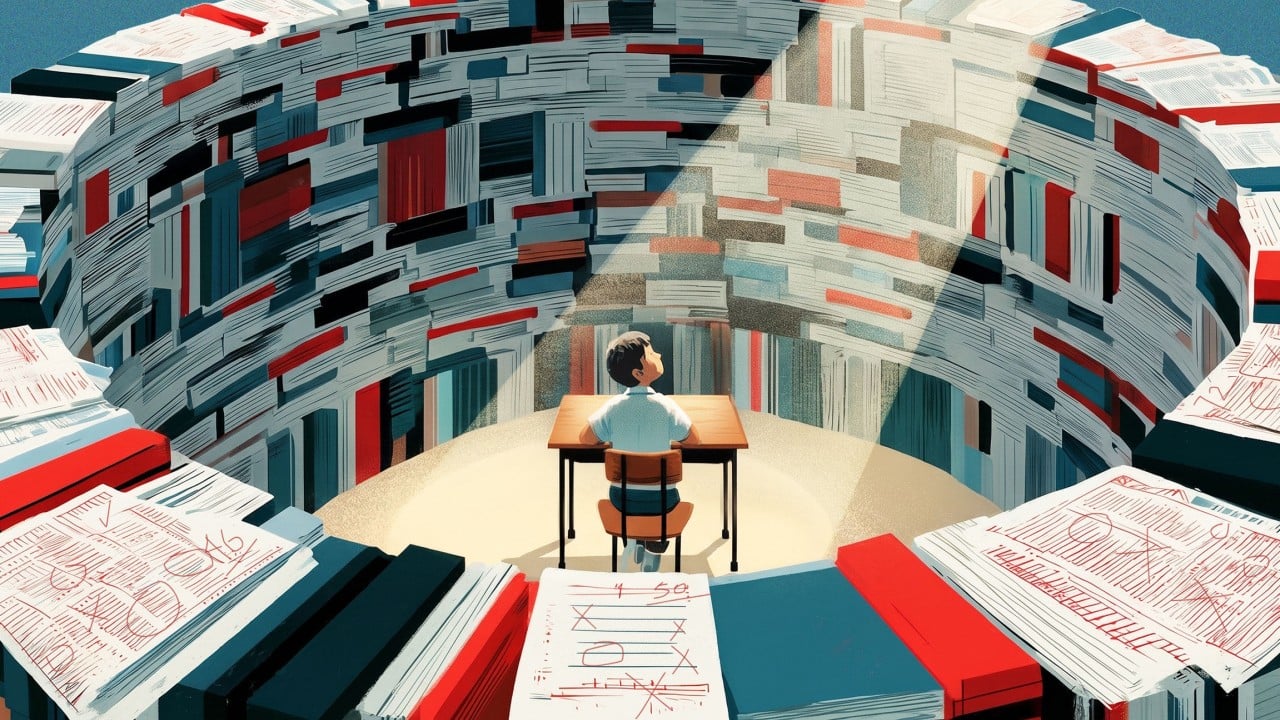
Classrooms across the Netherlands are trading traditional textbooks for a controversial British television drama. If you haven't looked at how secondary schools are handling digital literacy lately, the shift might shock you. Instead of lecturing students about screen time, educators are turning on Netflix.
The miniseries Adolescence—a gritty four-part drama centering on a thirteen-year-old boy accused of murdering a classmate after getting sucked into online extremist rabbit holes—has officially crossed from streaming queues into official educational spaces. It is a stark departure from standard curricula. Rather than ignoring the digital dark corners where teenagers spend their time, Dutch lawmakers and media institutes decided to drag those spaces right into the light.
Why a TV Show Made Its Way Into the Classroom
You might wonder why a fictional crime drama belongs in a school lesson. The answer lies in the sheer disconnect between adult oversight and adolescent digital reality. The initiative, championed by politicians like GroenLinks-PvdA member Barbara Kathmann and developed alongside the media institute Beeld en Geluid, gives teachers free digital modules paired with show clips.
The goal isn't cinematic analysis. It is survival. Intelligence agencies like the Dutch AIVD have flagged the internet as a prime breeding ground for radicalizing young minds, noting that kids between twelve and seventeen are uniquely vulnerable to toxic online subcultures. When algorithms feed young boys an endless stream of misogynistic rage and manosphere content, parents often remain completely oblivious until real-world violence or severe isolation occurs.
Using a shared viewing experience creates an immediate, neutral anchor point. Kids who shut down when a teacher asks about their internet habits will readily debate the choices of a fictional character on screen.
The Reality of the Manosphere Threat
We love to pretend that online radicalization happens somewhere else, to other people's kids. It doesn't. Algorithms don't care about your postal code or your parenting style. They optimize for engagement, and outrage performs best.
The character Jamie in Adolescence isn't painted as a mustache-twirling villain from day one. He starts as a normal kid dealing with ordinary teenage insecurities, peer pressure, and isolation. That's what makes the narrative so terrifyingly effective. The descent happens quietly behind bedroom doors lit only by smartphone screens.
When security chiefs publicly urge families to watch the series together, they are signaling a massive failure in traditional safeguarding. Schools realized that telling teenagers to "be careful online" is like telling someone to swim without warning them about undertows.
Breaking the Silence Between Generations
Teachers face a massive hurdle: they speak a completely different digital language than their students. By introducing structured classroom discussions around heavy media, schools are trying to bridge that gap before it widens into a chasm.
The educational packs don't give neat, tidy answers. They force teenagers to pick apart group dynamics, confront the real-world weight of casual online hate, and recognize how quickly peer pressure turns toxic. It's uncomfortable work. It's supposed to be.
If you want to protect young people from the dark side of connectivity, stop treating the internet like a polite playground and start treating it like the complex, high-stakes environment it actually is. Sit down, watch what they are watching, and talk about the parts that make you squirm.