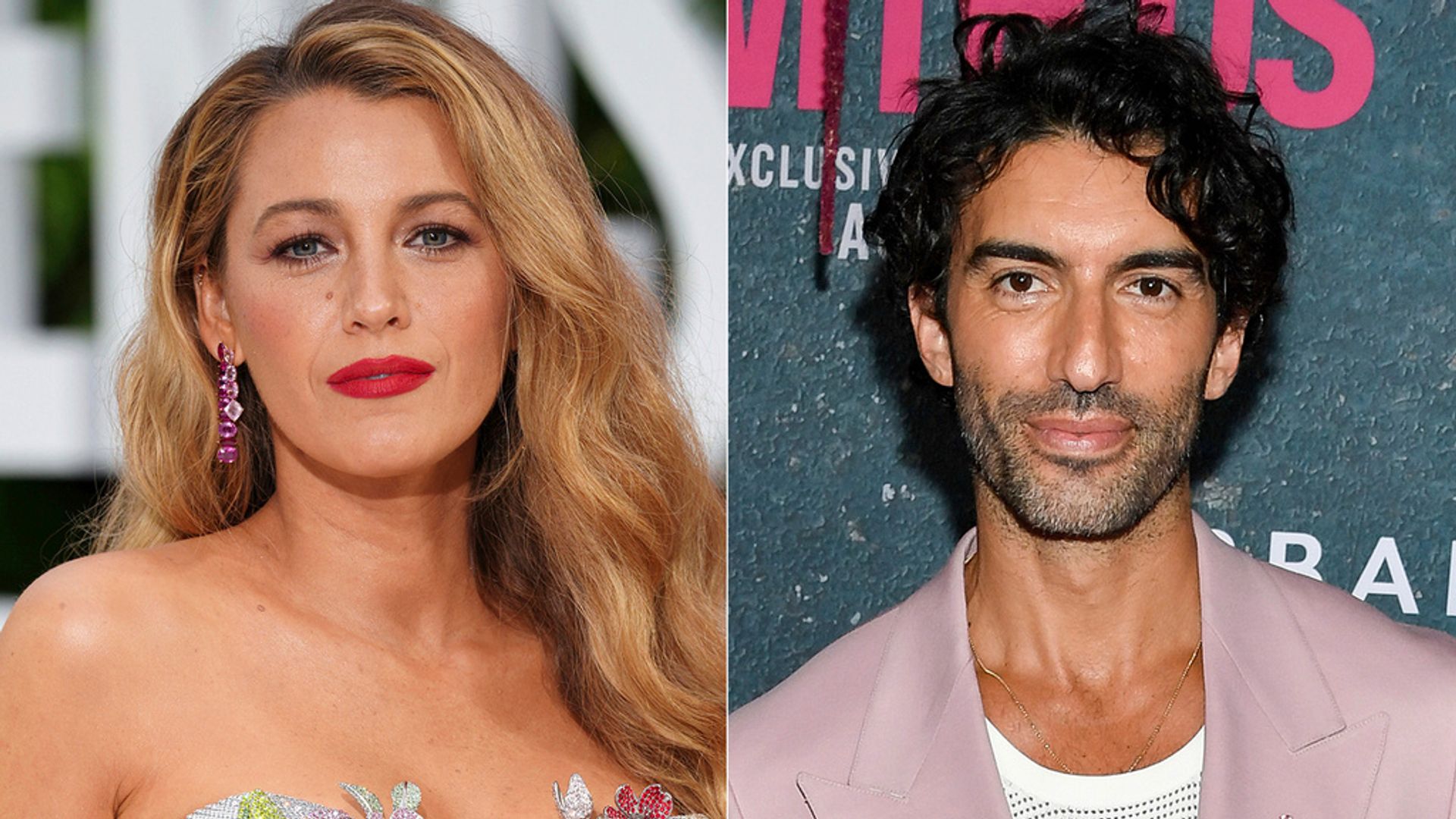
The headlines are bleeding with relief. "Blake Lively and Justin Baldoni reach settlement," they chirp, as if a peace treaty just saved a small nation from ruin. The trades are framing this as the logical end to a chaotic press tour. They want you to believe the "feud" is over, the lawyers are happy, and everyone can go back to pretending It Ends With Us was a seamless collaboration.
They are lying to you.
This isn’t a resolution. It’s a burial. In the high-stakes machinery of Hollywood image-making, a settlement isn't an admission of peace; it’s a strategic payout to ensure the truth never sees the light of day. By settling, Lively and Baldoni haven't fixed the problem. They’ve just agreed on a price tag for your silence and their survival.
The Myth of the Creative Difference
The "lazy consensus" surrounding this drama is that two big egos simply clashed over a final cut. The media painted it as a classic case of a lead actress wanting more control versus a director protecting his vision.
That narrative is a distraction.
I have watched studios burn through nine-figure budgets trying to manage "creative differences" that were actually systemic failures in leadership. In the case of It Ends With Us, the friction wasn't about where to place a camera. It was a fundamental breakdown in how power is brokered on a modern set.
When a lead actor also carries the title of producer—especially one with the cultural capital of Blake Lively—the traditional hierarchy of "Director as Captain" evaporates. Baldoni didn't just lose a creative battle; he lost a structural one. The settlement ensures we never get the depositions that would reveal exactly how much a star’s influence can legally override a director’s contractual rights.
Settlement as a Censorship Tool
Why do stars settle? Because discovery is a nightmare.
Imagine a scenario where this went to a full-blown court battle. We would see every text message, every frantic email from Wayfarer Studios, and every unedited "take" that showed the tension on set. We would see the raw, ugly mechanics of how a movie about domestic violence was marketed through floral arrangements and hair-care lines.
The settlement is a NDA wrapped in a check. It’s a muzzle.
By taking the payout, Baldoni agrees to stop being a "victim" of the narrative. By paying out, Lively (and the studio) ensures that the "mean girl" accusations remain nothing more than TikTok speculation. It’s a financial transaction designed to scrub the digital footprint of a PR disaster.
The Cost of Silence
- For the Studio: It’s an insurance premium. Paying a few million to make a lawsuit go away is cheaper than a 15% drop in box office for the sequel.
- For the Director: It’s "go away" money that often comes with a "back to work" clause—stay quiet now, and we won’t blacklist you later.
- For the Star: It’s brand preservation. You can’t sell a lifestyle brand if you’re tied to a toxic workplace litigation.
The Industry’s Allergic Reaction to Authenticity
People keep asking: "Why couldn't they just get along for the sake of the movie?"
That’s the wrong question. You should be asking: "Why are we surprised that a film about trauma produced a traumatic working environment?"
Hollywood loves the aesthetic of struggle but hates the reality of conflict. The industry is built on a "the show must go on" ethos that rewards sociopathic levels of compartmentalization. When Lively and Baldoni couldn't even stand in the same room for a premiere, they broke the cardinal rule of the Golden Age of Content: Never let the mask slip.
The settlement is the hand that reaches out to pull that mask back into place. It’s a return to the status quo where stars are perfect, directors are visionary, and any evidence to the contrary is deleted by a legal firm in Century City.
Stop Falling for the "Settled" Narrative
When you read that a lawsuit has been "settled amicably," translate that immediately to "silenced expensively."
There is nothing amicable about a legal battle that gets this far. It represents a total collapse of professional trust. By the time lawyers are drafting settlement papers, the bridges haven't just been burned; the ashes have been swept into the ocean.
We see this pattern constantly. From the Don’t Worry Darling set rumors to the various "creative departures" in the Star Wars universe, the industry's first instinct is to litigate the truth out of existence. They rely on your short attention span. They know that by the time the next Marvel trailer drops, you’ll have forgotten that a major motion picture was nearly derailed by a civil war between its creators.
The Hard Truth About Creative Power
The reality of 2026 Hollywood is that "The Director" is a dying breed. We are in the era of "The Talent-Producer."
In this new world, the person with the most Instagram followers often has more "creative" say than the person with the viewfinder. The It Ends With Us debacle is the first major crack in this new foundation. It showed that when you give a star total autonomy, you risk a total PR meltdown if they decide to take the project in a direction the director hates.
The settlement didn't solve this power imbalance. It just hid the fallout.
If you’re looking for a hero in this story, stop. There aren't any. There is only a studio protecting its investment, a star protecting her brand, and a director protecting his payout.
The only losers are the audience members who thought they were getting a movie made with passion, rather than one forged in a legal furnace.
Hollywood doesn't fix its problems; it just pays them to stay quiet.