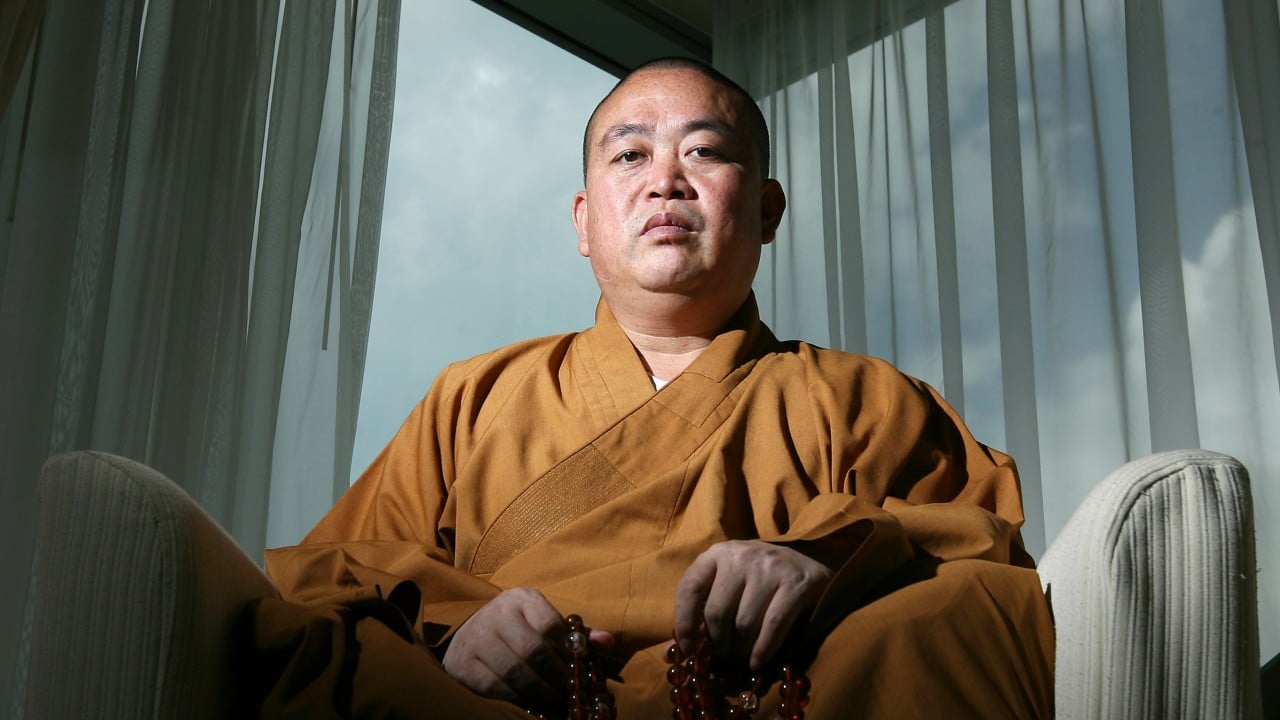
The image of a Shaolin monk usually involves orange robes, gravity-defying kicks, and a vow of poverty that seems untouchable by the grimy hands of modern greed. That's the movie version. The reality on the ground in Henan province just took a dark, bureaucratic turn. Shi Yongxin, the long-standing abbot of the Shaolin Temple, is no longer just a controversial "CEO monk." He's now a man facing an indictment for bribery and embezzlement. This isn't just a local scandal. It's a massive blow to the credibility of religious institutions across China.
If you've followed the Temple's trajectory over the last two decades, you knew something was brewing. The Temple became a global brand under Yongxin's leadership. It sold shows, merchandise, and even dabbled in real estate. But when the line between a spiritual sanctuary and a corporate entity disappears, the legal system eventually comes knocking. This indictment suggests that the authorities have finally decided the "too big to fail" status of the Shaolin brand doesn't apply when millions of yuan go missing. Also making headlines lately: Finland Is Not Keeping Calm And The West Is Misreading The Silence.
Why the Shaolin Temple Indictment Matters Right Now
People are obsessed with this story because it shatters the last bit of mysticism we have left. We want to believe that some places are immune to the corruption that plagues the rest of the world. They aren't. The charges against the former abbot involve misappropriating funds that were supposed to be for the upkeep of the temple and the community. Instead, prosecutors allege those funds flowed into private pockets.
Corruption in China's religious sector has been a quiet open secret for years. Temples often operate as cash-heavy businesses with very little oversight. When you have a charismatic leader at the helm of a site that draws millions of tourists annually, the temptation is astronomical. This case is a signal. The government is signaling that even the most famous cultural icons are subject to the same anti-corruption drives that have cleared out high-ranking political officials. More insights into this topic are detailed by TIME.
The Business of Being a CEO Monk
Shi Yongxin earned the nickname "CEO Monk" for a reason. He was the first Chinese monk to get an MBA. He understood that for Shaolin to survive the 21st century, it needed to be more than a monastery; it needed to be a trademark. Under his watch, the temple launched world tours and film projects. He defended these moves by saying he was "protecting" the Shaolin brand from being exploited by outsiders.
It worked, but at a cost. The temple grounds began to feel more like a theme park than a place of Zen. There’s a specific kind of irony in a man who preaches the detachment from material desires being taken down by a desire for more cash. The indictment focuses on specific instances of bribery where the abbot allegedly used his influence to secure contracts and favors, bypassing the strict internal rules that are supposed to govern the Sangha, or the community of monks.
Where the Money Actually Went
Investigations into these types of cases usually reveal a web of shell companies and third-party handlers. In the case of the Shaolin abbot, the paper trail is reportedly linked to the temple’s commercial arms.
- Commercial Real Estate: Large sums were moved under the guise of "expansion projects."
- Merchandising Rights: Kickbacks from companies licensed to use the Shaolin name.
- Donation Boxes: Lack of digital tracking made it easy to skim from the literal buckets of cash left by pilgrims.
This isn't just about one man being greedy. It's about a total failure of institutional guardrails. When a religious leader has total control over both the spiritual and financial aspects of an organization, there's no one left to say "no."
Separating the Martial Arts from the Malfeasance
Don't let this scandal ruin the actual practice of Kung Fu for you. The monks who spend ten hours a day training their bodies to the point of breaking aren't the ones sitting in the backrooms making deals. There's a massive divide between the administrative "monks" in the front office and the practitioners in the courtyard.
The tragedy here is that the reputation of the practitioners is being dragged down by the actions of the bureaucrats. The Shaolin Temple is a UNESCO World Heritage site. It's the birthplace of Chan Buddhism. For many, it's a holy site. Seeing it dragged through the mud of an embezzlement trial feels like a betrayal of the very principles the temple is supposed to uphold.
The Broader Crackdown on Religious Commercialization
This indictment is part of a much larger trend. China's State Administration for Religious Affairs has been tightening the screws on "commercialization" for years. They've seen how temples have turned into "money-shaking trees."
You might think that more money for a temple is a good thing, but it usually leads to "fake monks" and predatory practices targeting tourists. The government's move against Shi Yongxin is a way to reclaim the narrative. They want to show that they are the true protectors of traditional culture, even if it means taking down the most famous monk in the country. It's a power move, for sure, but one that many locals who are tired of high ticket prices actually support.
What Happens to the Temple Now
The immediate future for the Shaolin Temple is going to be messy. There will be a leadership vacuum while the legal process plays out. Expect a lot more oversight from the provincial government. The "free-wheeling" days of the CEO monk are over.
- Audits: Every commercial entity tied to the temple will be scoured.
- Leadership Change: A new abbot will likely be appointed, one who is much more focused on traditional liturgy and much less on global branding.
- Restructuring: The temple's business holdings might be separated entirely from the religious site to prevent this from happening again.
The lesson for any religious organization is clear. You can't serve two masters. You can't be a global business tycoon and a spiritual leader at the same time without one of those roles poisoning the other.
If you're planning to visit Shaolin, go for the history and the incredible physical feats of the students. Just don't expect the leadership to be as enlightened as the teachings suggest. Keep your eyes open and your expectations grounded in reality. The monks are human, and the ones at the top are clearly prone to the same failings as any corporate executive in a suit.
For anyone tracking this case, look for the specific details on the "social impact" fees that the temple allegedly avoided paying. That's where the real legal meat of the embezzlement charge sits. It's not just about stealing; it's about failing to give back to the state and the community as promised. This trial will be a landmark for how China manages its cultural assets moving forward. Keep an eye on the official court bulletins from Henan; they're going to be far more revealing than the PR statements coming out of the temple's remaining staff.