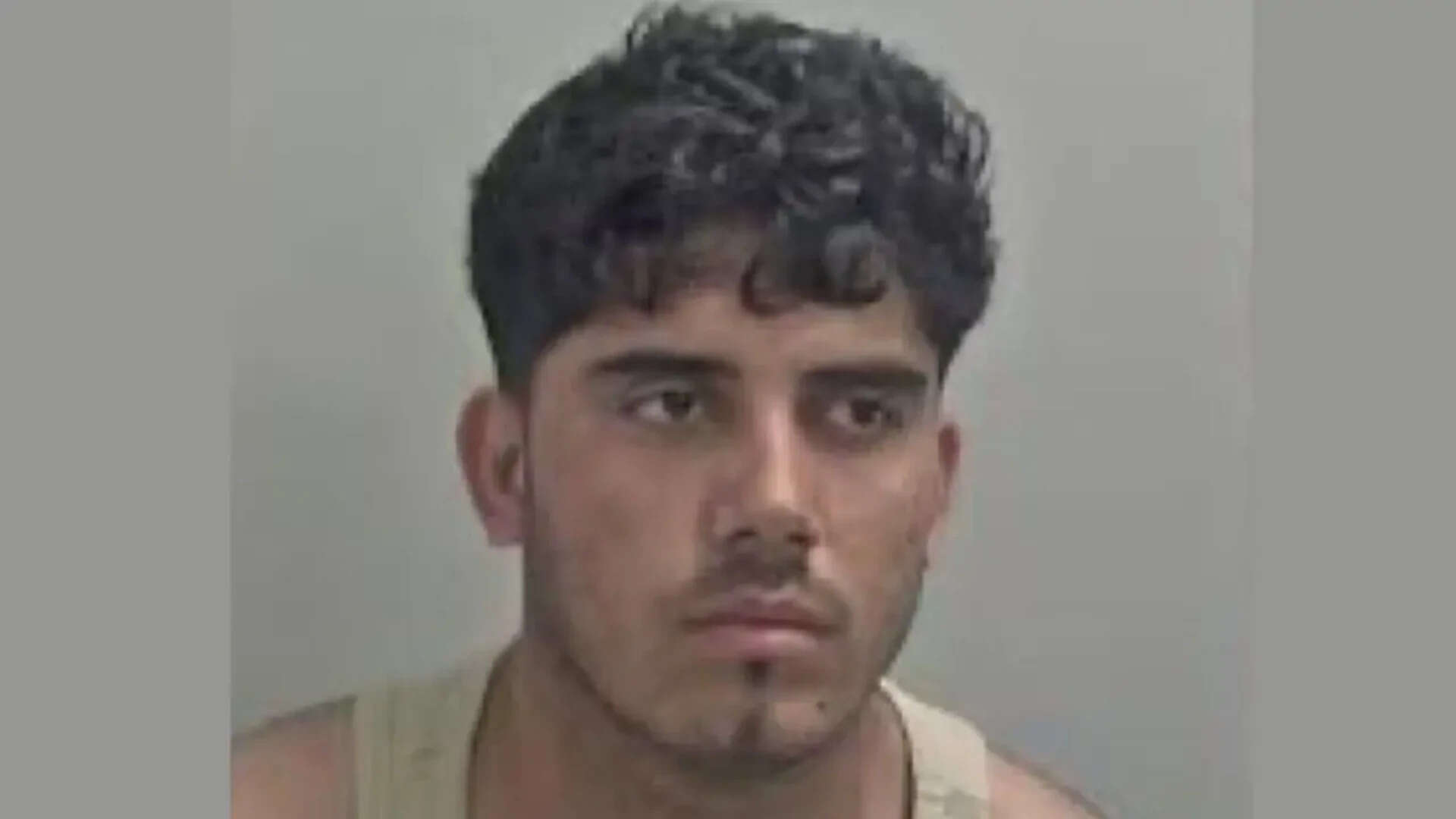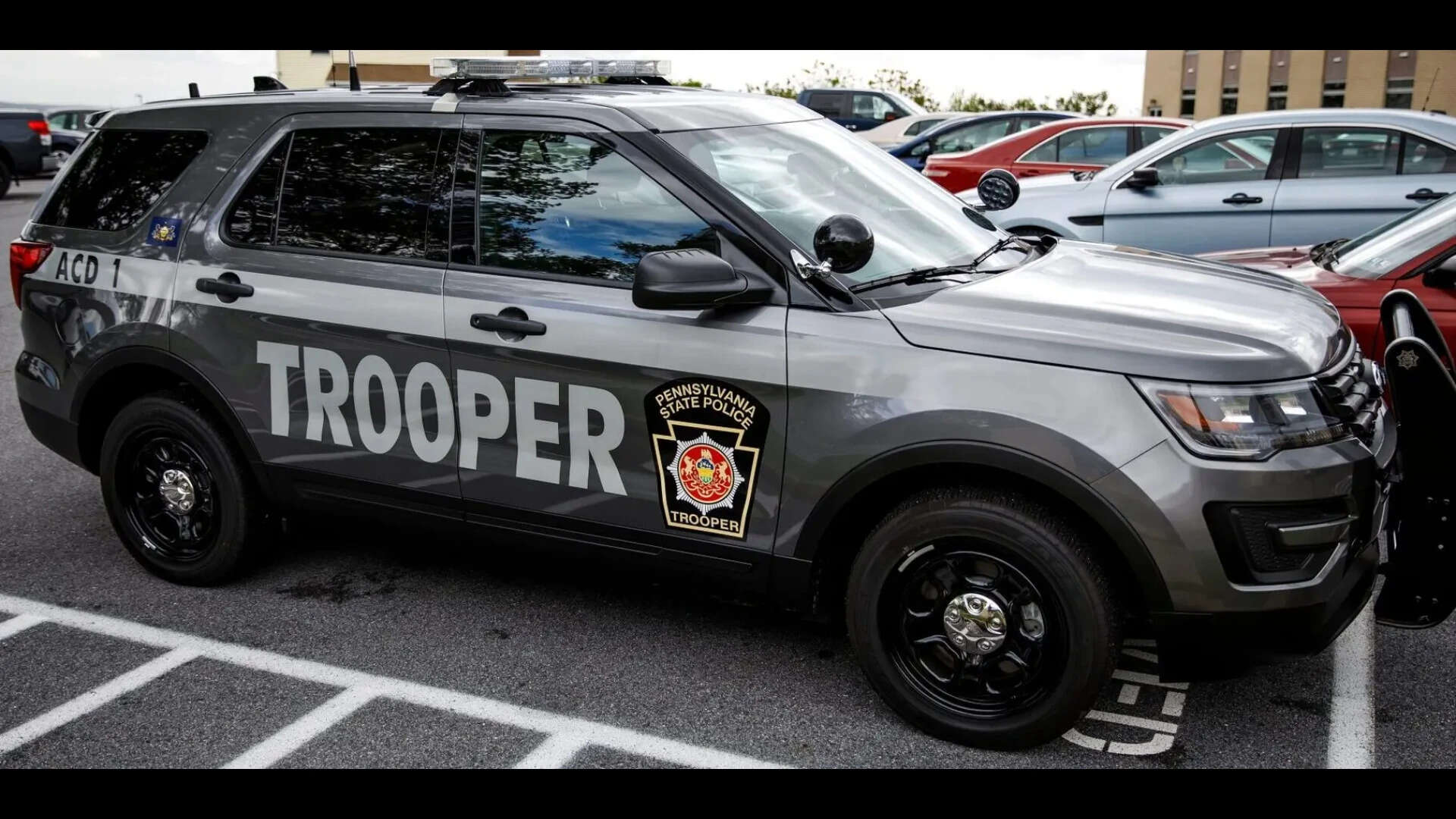
The guilty plea entered by Harshpreet Singh in a federal courtroom in Pennsylvania may seem like a routine win for the Department of Justice. Singh, an Indian national, admitted to the illegal possession of a firearm by an alien, a charge that carries significant weight in a country currently grappling with a surge in unlicensed weaponry. But viewing this case as a simple immigration or firearms violation is a mistake. It is a glimpse into a much larger, more sophisticated underworld where the traditional boundaries of arms trafficking have dissolved.
Singh was caught in a net that many saw coming, yet few are equipped to fully dismantle. His case highlights a growing trend of non-citizens navigating the cracks of American gun laws, often utilizing "ghost gun" components and private sales to bypass the scrutiny of the National Instant Criminal Background Check System (NICS). This isn’t just about one man with a pistol. It is about a systemic failure to regulate the modular pieces that turn a hobbyist’s project into a lethal, untraceable tool. Also making waves lately: The Kinetic Deficit Dynamics of Pakistan Afghanistan Cross Border Conflict.
The Architecture of an Illegal Acquisition
To understand how someone in Singh's position obtains a weapon, you have to understand the loophole of "ready-to-build" kits. For years, the Bureau of Alcohol, Tobacco, Firearms and Explosives (ATF) struggled to classify unfinished receivers—the core part of a gun that houses the firing mechanism. Because these were technically only 80% complete, they weren't legally "firearms." They could be shipped to a doorstep without a background check, requiring only a drill press and a bit of mechanical patience to become functional.
While recent federal regulations have attempted to close this gap by redefining what constitutes a "frame or receiver," the sheer volume of these parts already in circulation is staggering. For an individual who is legally barred from owning a firearm due to their visa status or lack of citizenship, these kits represent a path of least resistance. More information regarding the matter are covered by Reuters.
The investigation into Singh suggests that the acquisition wasn't a fluke. It was a deliberate navigation of a marketplace that thrives on anonymity. When a prohibited person acquires a firearm, it usually happens through one of three channels: a straw purchase, where a legal buyer acts as a front; a theft from a legal owner; or the assembly of an unserialized weapon. Singh’s presence in this third category indicates a level of intent that goes beyond "protection" and enters the territory of organized circumvention.
A Growing Trend Among Non-Immigrant Visa Holders
There is a specific tension at play when it comes to the legal rights of non-citizens in the United States. Under 18 U.S.C. § 922(g)(5), it is generally illegal for any person who is "illegally or unlawfully in the United States" or who has been admitted under a "non-immigrant visa" to possess any firearm or ammunition. There are narrow exceptions—such as possessing a valid hunting license—but for the vast majority of people on H-1B, F-1, or J-1 visas, the law is an absolute wall.
Yet, we are seeing an uptick in cases where these individuals are being flagged. The reasons are rarely political. Often, it is a misguided attempt at self-defense in urban environments where crime rates are a concern, or a desire to participate in American "gun culture" without understanding the legal consequences. In Singh’s case, the federal interest wasn't just about the possession itself, but the potential for these weapons to be fed back into a secondary, illicit market.
Federal prosecutors are increasingly using these "low-level" possession charges as leverage. They want to know who sold the parts. They want to know who provided the machining tools. They are looking for the "facilitators" who operate in the gray zones of suburban garages and encrypted messaging apps.
The Myth of the Lone Actor
The narrative of the "lone wolf" with a gun is a convenient one for law enforcement because it suggests the problem is solved once the individual is behind bars. The reality is more complex. Every illegal firearm has a pedigree. It came from somewhere.
In the underworld of firearms trafficking, we are seeing the rise of decentralized distribution. Instead of a single large shipment of crates moving across a border, we see hundreds of small packages containing springs, pins, and slides moving through the postal service. This "death by a thousand cuts" approach makes it nearly impossible for the ATF to stem the flow. Singh is a data point in a trend where individuals are becoming their own manufacturers, effectively bypassing the retail infrastructure that the government has spent decades trying to regulate.
This shift has created a nightmare for local police. When a serial number is ground off a traditional Glock, forensic labs can sometimes recover it through acid etching. When a gun never had a serial number to begin with, the trail ends at the crime scene. This is why the "tip of the iceberg" cliche actually holds weight here. For every Harshpreet Singh that gets caught because of a traffic stop or a tip-off, there are likely dozens more who remain off the radar, holding weapons that do not exist in any federal database.
The Jurisdictional Friction
One of the major hurdles in prosecuting these cases is the friction between state and federal priorities. In some states, gun laws are notoriously lax, creating "source states" where hardware is easy to obtain. In others, the laws are so strict that they drive the market further underground.
When the FBI or ATF steps in to handle a case like Singh's, they are sending a message to the local community. They are asserting federal dominance over an issue that local departments often lack the resources to track. However, the federal system is also backlogged. A single illegal possession case can take years to move from indictment to sentencing, during which time the supply chains that provided the weapon have likely evolved or vanished.
We must also look at the role of digital marketplaces. Platforms like Telegram and certain corners of the dark web have become the new "gun shows." Here, the "no questions asked" policy is the standard. For a tech-savvy individual, finding a source for an unserialized lower receiver is no more difficult than ordering a pizza. The barrier to entry isn't a background check; it’s simply knowing the right URL.
The Consequences of a Guilty Plea
For Singh, the guilty plea is the end of his American dream. Beyond the prison time—which can be up to ten years—he faces certain deportation. The U.S. immigration system is unforgiving when it comes to "aggravated felonies" or crimes involving firearms. Once his sentence is served, he will likely be barred from ever returning to the United States.
This serves as a stark warning to the millions of non-citizens living in the U.S. The Second Amendment, as currently interpreted by the courts, does not provide a blanket shield for everyone on American soil. The distinction between "the people" and "legal residents" is a fine line that the judicial system is currently drawing with a heavy hand.
But does Singh’s incarceration make the streets safer? Marginally, perhaps. But the machinery that allowed him to get that gun remains fully operational. The "iceberg" beneath the surface is the infrastructure of anonymity that allows anyone with an internet connection and a few hundred dollars to arm themselves.
Beyond the Courtroom
If we want to address the root of this crisis, we have to look past the individual defendants. We have to look at the manufacturing ethics of companies that sell "buy-build-shoot" kits knowing their primary appeal is the lack of a paper trail. We have to look at the lack of a centralized, digitized registry that could actually track the lifecycle of a firearm from factory to disposal.
The Singh case isn't a victory; it's a diagnostic report. It tells us that our current methods of tracking firearms are obsolete in the face of 3D printing and modular assembly. It tells us that the legal distinction between a "part" and a "gun" is a loophole wide enough to drive a truck through. Until the law catches up with the technology of the 21st century, we will continue to see these cases pop up—one man at a time, while the ghost gun factories keep humming in the background.
The next step in this investigation isn't following Singh to his cell. It’s following the money back to the suppliers who are arming a population that the law says must remain unarmed.
If you are tracking the movement of illicit goods in your own community, look for the subtle signs of "kit" manufacturing. Look for the small-scale distributors operating out of residential addresses. That is where the real story lives.
Would you like me to analyze the specific federal statutes used in the Singh indictment to see how they might be applied to 3D-printed components?