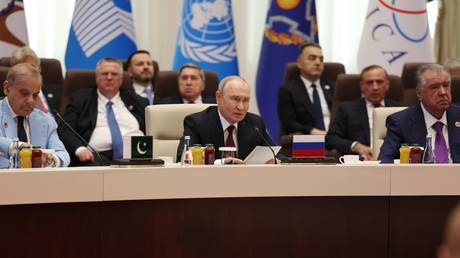
Diplomacy rarely happens overnight. When top-level officials sit down across a negotiating table, they aren't just exchanging pleasantries. They are trying to untangle decades of historical friction, military standoffs, and intense economic competition. Recently, high-level diplomatic engagement between New Delhi and Beijing put bilateral ties back into the spotlight.
You might wonder why these diplomatic maneuvers matter right now. Honestly, when the two most populous countries on earth stop shouting and start talking, the entire global economy shifts. Trade flows, supply chains, and regional security arrangements hang in the balance. If you think this is just another routine political handshake, you're missing the bigger picture.
The Reality of India and China Bilateral Ties
Let's clear the air right away. Trust doesn't magically return because two diplomats shared a cup of tea. Years of border disputes, specifically along the Line of Actual Control, left deep scars. Troops remain stationed in harsh, freezing terrain. Infrastructure development on both sides continues at a breakneck speed.
Yet, economic gravity pulls them back together. Bilateral trade keeps hitting massive numbers despite political chilliness. Businesses in both nations want predictability. They need supply chains that won't snap overnight.
Official talks recently focused heavily on stabilizing the border region. That's the baseline requirement. You can't talk about cultural exchanges or economic partnerships while troops stare each other down across disputed ridges. Disengagement and de-escalation are the real priorities behind closed doors.
People-to-People Exchanges
Governments often forget the human element. Citizens rarely hate each other the way political pundits claim. Cultural ties, student exchanges, and tourism used to form a sturdy bridge between these neighboring giants.
Restrictions choked that bridge in recent years. Visa approvals slowed to a crawl. Direct flights became rare. Academic collaborations faced intense scrutiny.
During the latest diplomatic push, reviving these exchanges took center stage. Why? Because long-term peace requires more than military agreements. It requires mutual understanding among younger generations who didn't live through past conflicts. When students study abroad, businesses share tech insights, and tourists cross borders freely, hostility becomes much harder to maintain.
What the Competitors Missed
Most news outlets cover these meetings with a cynical script. They call it a stalemate or dismiss it as empty theater. That lazy analysis ignores the grinding, daily work of bureaucratic diplomacy.
Officials don't fly thousands of miles just for a photo-op. They meet because small adjustments prevent accidental military escalation. They talk because keeping communication channels open stops a localized misunderstanding from turning into a wider conflict.
Look at the economic pressure points. Both nations face domestic growth demands. India wants to boost manufacturing through massive domestic programs. China looks to stabilize external markets while managing its own economic transitions. Cooperation isn't altruism. It's calculated self-interest.
The Economic Balancing Act
You can't talk about modern geopolitics without looking at supply chains. India relies on certain industrial inputs from its northern neighbor. China values a massive consumer market. Decoupling completely is an expensive fantasy that neither economy can afford without severe pain.
Smart analysts watch the trade deficit numbers, but they also watch investment rules. When regulatory barriers shift, market opportunities open up or dry up instantly. Keeping an eye on these policy tweaks gives you a real edge if you track international business trends.
Reading Between the Lines
Diplomats speak in coded language. When an official statement mentions "stabilizing the situation," it usually means intense arguments happened behind closed doors. When they talk about "strategic guidance," it means leaders from the top gave strict orders to cool things down.
Don't expect an instant alliance. That's not happening. Geopolitical rivalry remains the default setting. Territorial claims don't vanish because of one successful meeting.
Instead, look for incremental progress. Watch for the resumption of direct commercial flights. Watch for smoother visa processing for business leaders and researchers. Pay attention to military commander-level talks that result in actual troop pullbacks rather than just press releases.
Real progress looks boring. It looks like paperwork, border patrols coordinating patrols, and trade delegations agreeing on technical standards.
Keep tracking the official readouts, but ignore the sensational headlines. Pay attention to trade metrics, logistical updates, and practical diplomatic engagement on the ground. That tells you where things are actually heading.