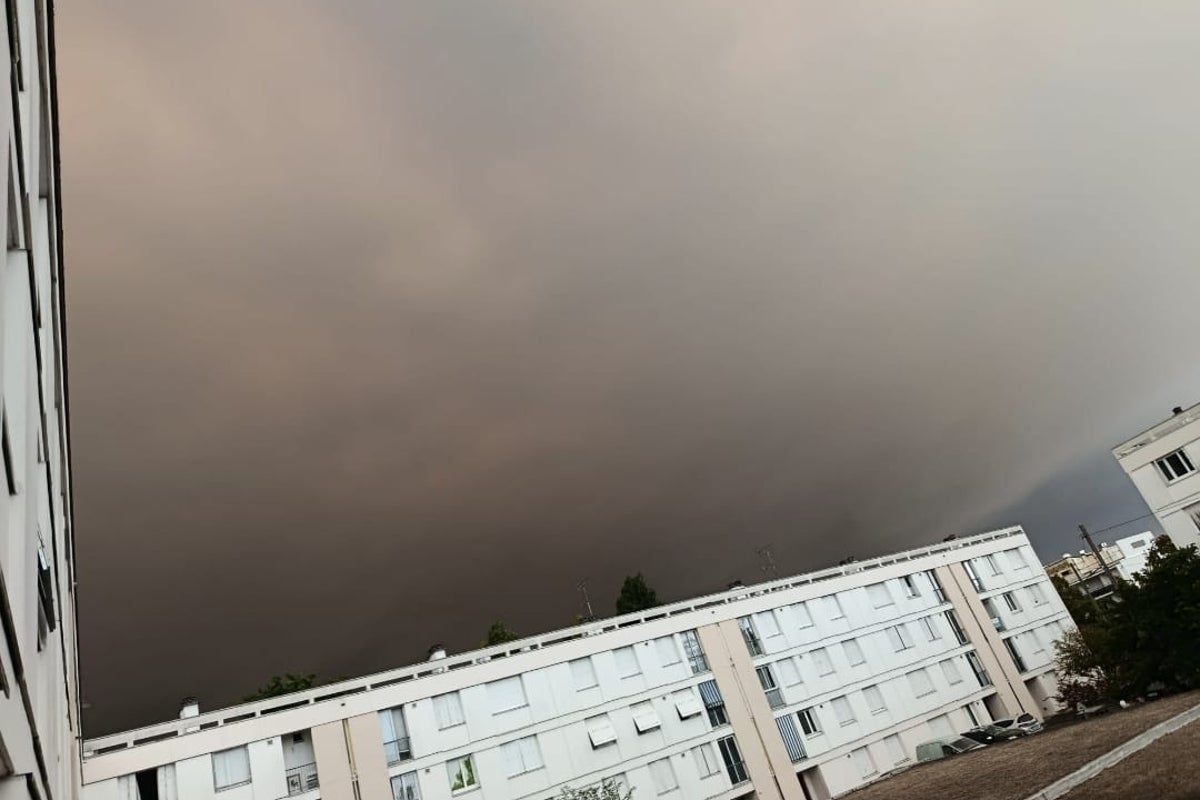
The Mediterranean dream is currently burning. As of late July 2026, over 300,000 residents and holidaymakers have been forced to flee their homes and coastal retreats across southwestern France and central Spain. This is not a series of isolated accidents but a systemic failure of environmental stability that has turned Europe’s premier vacation destinations into active war zones. If you are currently in or planning to travel to regions like the Gironde in France or the outskirts of Madrid and Ávila in Spain, understand that the traditional rules of summer travel have been suspended.
The immediate reality on the ground is grim. In France, the Cap Ferret peninsula—once a playground for the elite—has seen the total evacuation of its coastal villages. Firefighters are battling what they call a "self-feeding firestorm," a terrifying atmospheric event that creates its own wind patterns and even generates its own lightning to spark new fires elsewhere. In Spain, the government has declared its first-ever national emergency specifically for wildfires, as multiple blazes have merged into massive fronts that defy standard containment strategies.
The Myth of the Controlled Fire Season
For years, the tourism industry has treated summer wildfires as seasonal annoyances, akin to a delayed flight or a localized storm. That perspective is dead. The data from 2026 confirms that we have entered an era of "unprecedented intensity."
Spain has recorded over 1,100 square kilometers of burned terrain by mid-summer, a figure that is five times higher than the previous year. France is similarly devastated, with the Gironde department serving as the epicenter of a crisis that has reached the doorstep of major metropolitan areas like Bordeaux.
Why is this happening now with such ferocity? The answer lies in the abandonment of agricultural buffers. Historically, managed farmlands surrounding rural villages acted as firebreaks. As those populations have shifted toward cities, the land has gone wild, becoming dense with untended undergrowth that acts as literal fuel for these infernos. When you combine this "tinder-box" landscape with the recurring heat domes—weather systems that lock record-breaking 40°C temperatures over a region for days—you do not just get a fire. You get a catastrophe.
The New Reality for Travelers
If you are currently holding a reservation in Southern Europe, you must adjust your expectations. Flexibility is no longer a suggestion; it is a necessity for survival and sanity.
- Monitor Local Alerts in Real-Time: Do not rely on international news outlets. Use local civil protection apps and Twitter feeds from regional prefectures (such as the Gironde prefecture in France). These sources provide the only accurate picture of evacuation orders and road closures.
- The "Early Bird" Strategy is Obsolete: While travel experts often suggest shifting activities to the morning or late evening to beat the heat, this is secondary to fire safety. Be aware of smoke levels, which can change rapidly with wind shifts, regardless of the temperature.
- Avoid Restricted Zones Entirely: Many popular woodlands and forest trails are now under total access bans. Attempting to visit these areas is not only dangerous but puts immense strain on emergency services that are already stretched to their breaking point.
- Have an Exit Strategy: If you are staying in a rental home or a campsite, confirm that your host has a verified evacuation plan. If you are in a high-risk region and feel unsafe, leave before the authorities issue a mandatory order. Roads often become gridlocked or are closed to non-emergency traffic once a fire escalates.
Infrastructure Under Pressure
The strain on local infrastructure is reaching a breaking point. We have seen desperate scenes of holidaymakers evacuating by boat from the Atlantic coast because roads were swallowed by flames. In Madrid, the merger of two massive fires forced authorities to admit that the scale of the destruction was "beyond current extinguishing capacity."
When a government says they cannot extinguish a fire, they are telling you that their priority has shifted entirely to human life. They are no longer saving structures; they are saving people. As a traveler, you have no place in that calculation. If you are in a danger zone, your presence complicates an already impossible tactical operation for firefighters.
Looking Beyond the Immediate Flame
The climate context of 2026 is impossible to ignore. We are seeing a 20-year average of fire damage being eclipsed in a matter of weeks. The "perfect storm" of persistent high-pressure systems and scorched earth means that the traditional peak season for tourism is becoming fundamentally incompatible with the ecological reality of the Mediterranean.
Regions that depend on this annual influx of revenue are now facing an existential crisis. They cannot build their way out of this with more trucks or more planes. The solution, if one exists, lies in a complete rethink of land management and a sobering shift in how we perceive the "sun-drenched" summer holiday.
For now, the advice to anyone traveling to these areas is simple. Be ready to move, stay informed, and accept that your vacation itinerary is subject to the whims of a burning landscape. The map of Europe is changing, and the fire line is moving faster than the industry can follow. Watch the horizon, follow the authorities, and prioritize your safety over your plans.