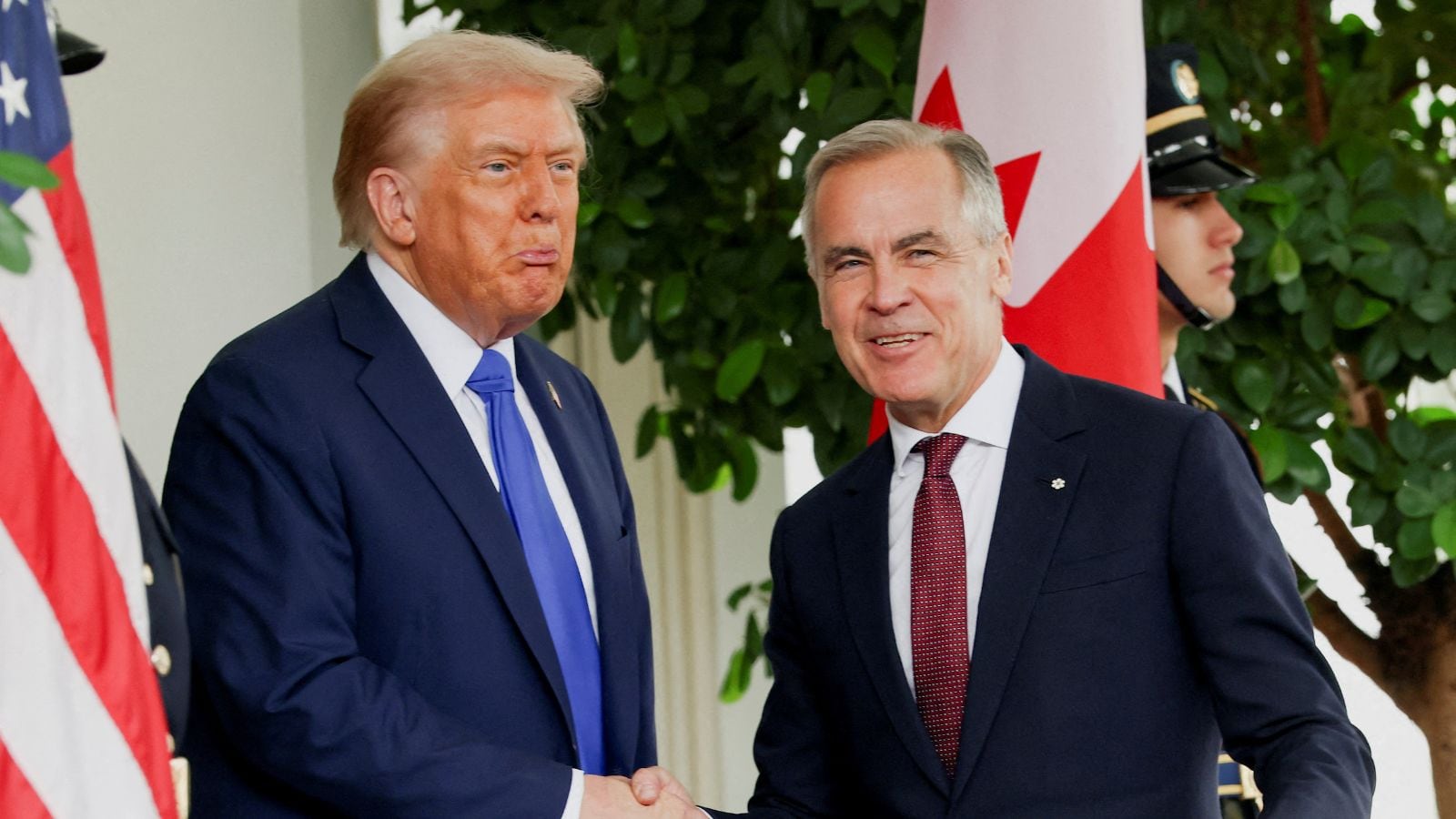
The collapse of bilateral trade negotiations between Washington and Ottawa marks the end of an economic illusion. For decades, policymakers preached the gospel of continental integration, treating the border as an administrative afterthought rather than a hard economic wall. That architecture is fracturing. When talks cratered over aggressive American demands and Canadian sovereignty concerns, it became clear that the architecture governing billions in cross-border commerce is no longer fit for purpose.
To understand why negotiations broke down completely, look past the public posturing and examine the mechanics of the pressure applied by the White House. Washington did not come to the table looking for incremental adjustments. Instead, American negotiators tied shallow relief on existing metal and automotive duties to sweeping structural concessions. They demanded constraints on Canada's independent trade policy, preferential access to critical minerals, and dismantling aspects of domestic agricultural management. For Ottawa, accepting those terms meant trading short-term tariff relief for long-term economic vassalage. Prime Minister Mark Carney walked away because the alternative was political suicide.
The immediate fallout hits manufacturing corridors that stretch across the Great Lakes, where components cross international lines multiple times before a finished product rolls off the assembly line. Consider a hypothetical automotive supply chain: a transmission housing cast in Ontario is shipped to Michigan for machining, sent back to Windsor for sub-assembly, and finally installed in a truck destined for a Texas dealership. Under a regime of 50 percent metal tariffs and fractured rule exemptions, that efficient web of production absorbs crippling cost multiplications at every single border crossing. Margins evaporate. Plants idle.
Yet framing this conflict purely as a bilateral grudge match misses the structural shifts happening underneath. The United States is attempting to rewrite the rules of globalization through brute coercion, using market size as a battering ram against established treaty frameworks like the USMCA. By slapping duties on goods that technically comply with rules of origin, Washington has signaled that legal text matters less than immediate geopolitical alignment. Canada's response, featuring targeted counter-measures aimed at American agricultural equipment, appliances, and electronics, targets politically sensitive districts in the United States, ensuring that the pain is felt by constituencies capable of lobbying lawmakers.
Industries caught in the crossfire face agonizing operational choices. Workforce reductions, delayed capital expenditures, and rushed supply chain realignments are replacing long-term planning. Forestry, steel fabrication, and automotive sectors are scrambling to source inputs outside North America, a process that takes years and introduces massive inefficiencies.
Continental trade is permanently altered. The assumption of frictionless commerce between neighbors is dead, replaced by a defensive posture where every shipment is a negotiation and every border is heavily fortified.