Structural Optimization of Hybrid Clinical Pathways
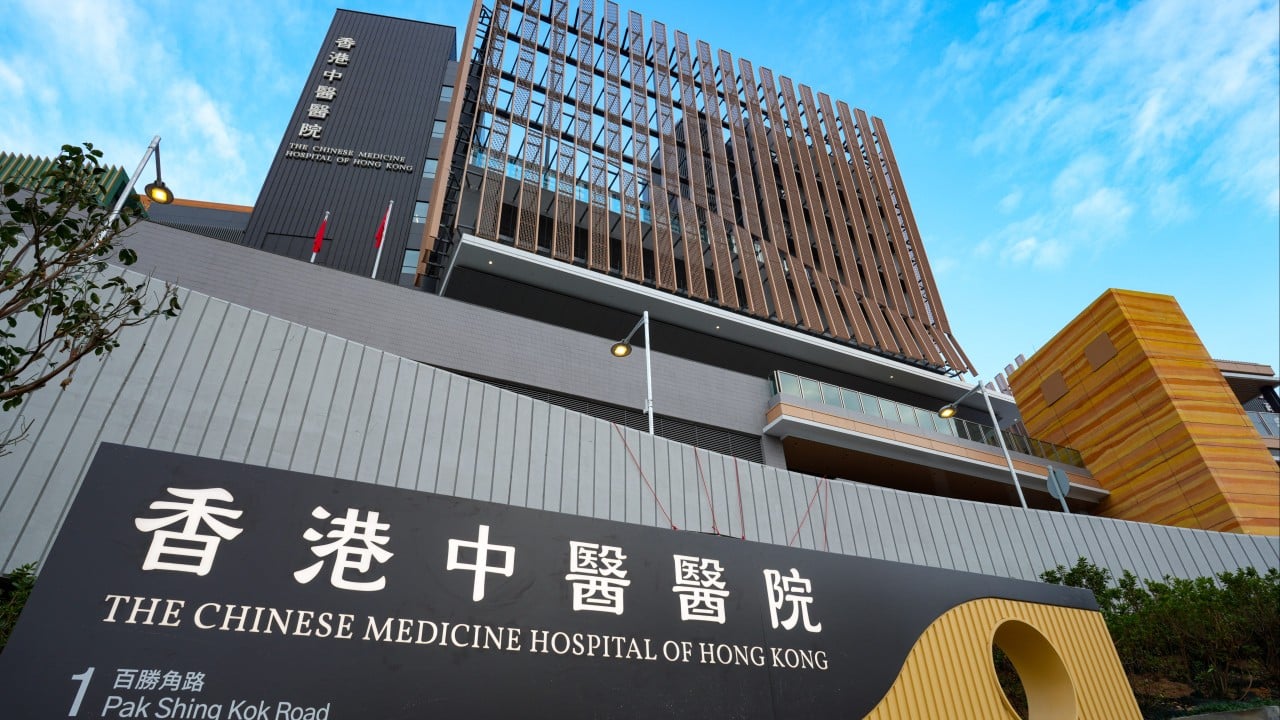
The launch of specialized stroke rehabilitation and low back pain programs at the Chinese Medicine Hospital of Hong Kong (CMHHK) marks a shift from reactive care models to structured, multidisciplinary clinical pathways. Rather than operating traditional Chinese medicine (TCM) and Western medicine in parallel silos, the institution has operationalized a TCM-led, Western-supported integrative model. The blueprint targets high-volume, high-disability conditions where conventional Western management frequently runs into cost and efficacy bottlenecks.
This institutional framework addresses the structural operational gaps in chronic pain and neurological recovery by standardizing treatment intervals, implementing strict gatekeeping criteria, and applying dual-tier pricing mechanics.
The Two-Tiered Clinical Intervention Architecture
The facility’s clinical delivery system divides patient cohorts into distinct temporal windows to optimize operational capacity and functional outcomes.
                 ┌─────────────────────────────────────────────────────────┐
                 │                   PATIENT TRIAGE                        │
                 │      (Age ≥ 18, Outpatient Status, Assumed Mobile)      │
                 └────────────────────────────┬────────────────────────────┘
                                              │
                       ┌──────────────────────┴──────────────────────┐
                       ▼                                             ▼
         ┌───────────────────────────┐                 ┌───────────────────────────┐
         │   STROKE REHABILITATION   │                 │   LOW BACK PAIN (LBP)     │
         └─────────────┬─────────────┘                 └─────────────┬─────────────┘
                       │                                             │
        ┌──────────────┴──────────────┐               ┌──────────────┴──────────────┐
        ▼                             ▼               ▼                             ▼
  Post-Acute                   Sequelae          Acute Pain                    Subacute/Chronic
  (1 to 60 Days)            (60 Days to 3 Yrs)   (< 6 Weeks)                   (> 6 Weeks)
  • 3-Week Day-Patient      • 8-Week Outpatient  • 4-Day Day-Patient           • 4-Week Outpatient
  • 6 Sessions/Week         • 6 Sessions/Week    • Combined Interventions      • 3 Sessions/Week
1. Stroke Rehabilitation Pathway
The stroke program segments recovery into two distinct phases based on post-onset timing, recognizing that neuroplasticity windows dictate therapeutic intensity.
- Post-Acute Phase (1 to 60 days post-stroke): Operates on a high-density, day-patient model over three consecutive weeks. Patients undergo six structured sessions weekly. Interventions combine oral Chinese herbal formulations, moxibustion, targeted acupuncture, and tuina massage with Western physiotherapy and pharmacotherapy.
- Post-Stroke Sequelae Phase (60 days to 3 years post-stroke): Shifts to an eight-week outpatient schedule at six sessions per week, targeting residual deficits in mobility, dysarthria (speech impairment), and dysphagia (swallowing dysfunction). Day-ward admissions serve as a secondary escalation pathway for refractory cases.
Eligibility requires patients to be at least 18 years old, to have completed acute Western inpatient stabilization, and to be capable of assisted mobility without requiring 24-hour skilled nursing.
2. Low Back Pain (LBP) Management Pathway
The LBP framework classifies patients using symptom duration thresholds, isolating acute inflammatory states from structural, chronic degeneration.
- Acute Phase (< 6 weeks duration): Uses an intensive four-consecutive-day day-patient treatment protocol. The objective is rapid symptom resolution through combined herbal steam therapy, acupuncture, physical therapy, and Western analgesics.
- Subacute and Chronic Phase (> 6 weeks duration): Deploys a four-week outpatient protocol consisting of three sessions per week. Treatments prioritize functional restoration, postural retraining, core strength conditioning, and symptom management.
Governance Framework and Risk Diversification
The operational viability of combining two historically distinct medical traditions depends on strict clinical governance. CMHHK establishes this using a dual-layer supervision mechanism designed to mitigate diagnostic oversight and standardize outcomes.
┌────────────────────────────────────────────────────────────────────────┐
│                        EXPERT GOVERNANCE PANEL                         │
│  (Neurology, Orthopedics, Chinese Medicine Practitioners, Physio, RN)  │
└───────────────────────────────────┬────────────────────────────────────┘
                                    │ Sets Protocols & Audits
                                    ▼
┌────────────────────────────────────────────────────────────────────────┐
│                        FRONTLINE CLINICAL TEAM                         │
│             (Joint Consultations & Real-Time Auditing)                 │
└───────────────────────────────────┬────────────────────────────────────┘
                                    │ Yields
                                    ▼
┌────────────────────────────────────────────────────────────────────────┐
│                      MULTIDISCIPLINARY REPORT                          │
│                (Discharge Summary & Long-Term Plan)                    │
└────────────────────────────────────────────────────────────────────────┘
An overarching expert panel comprising Western medical specialists (neurologists and orthopedic surgeons), registered Chinese medicine practitioners, physiotherapists, and clinical nurses designs the clinical protocols. This body oversees real-time treatment audits and retains authority to adjust protocol parameters based on aggregate patient response metrics.
At the point of care, frontline clinical staff conduct joint consultations. Chinese medicine practitioners lead the primary therapeutic design, while Western specialists monitor for contraindications, structural pathologies requiring surgical evaluation, or drug-herb interactions. Every patient cycle concludes with a unified multidisciplinary summary report mapping functional baseline changes against targeted outcomes.
This governance structure minimizes two primary risks:
- Diagnostic Misalignment: Missed structural issues (such as progressive disc herniations or re-infarction risks) are caught via Western diagnostic oversight.
- Protocol Drift: Unstandardized, practitioner-dependent TCM treatments are replaced by audited, reproducible intervention bundles.
The Economic Model: Tiered Subsidies and Unit Economics
The hospital’s financial architecture balances public healthcare access with fiscal sustainability through a dual-track pricing strategy.
| Service Type | Subsidized Rate (Eligible Residents) | Non-Subsidized / Market Rate | Cost Differential Factor |
|---|---|---|---|
| Outpatient Doctor Consultation | HK$250 | HK$450 – HK$790 | 1.8x – 3.16x |
| Day-Patient Care Session | HK$450 | HK$2,650 – HK$5,370 | 5.88x – 11.93x |
The heavy subsidization of day-patient services (HK$450 versus up to HK$5,370 at market rates) acts as an economic buffer for the public hospital system. By shifting post-acute stroke and chronic back pain management out of overnight acute-care beds and into intensive day-patient care, the system reduces the average cost per bed-day while maintaining high therapeutic touchpoints (six sessions weekly).
Operational Bottlenecks and Execution Limits
While structurally sound, the execution of this hybrid model presents clear operational constraints that limit scalable throughput:
- Capacity Bottlenecks in Day-Ward Logistics: High-frequency modalities (six sessions per week for stroke patients) require high bed-turnover efficiency. Queueing bottlenecks at therapy stations (e.g., herbal steam therapy equipment, specialized acupuncture suites, and physiotherapy gyms) can lead to delays that reduce patient throughput.
- Efficacy Tracking and Attribution Metrics: Combining oral herbs, moxibustion, acupuncture, Western pharmaceuticals, and physical exercise within the same 24-hour window obscures causal attribution. Determining which specific intervention drove clinical improvement remains complex, complicating long-term protocol refinement.
- Workforce Scheduling Friction: Joint consultations require synchronized scheduling between Western specialists and TCM practitioners. Administrative friction in aligning these shifts can restrict daily patient consultation limits.
Strategic Action Plan
To scale this integrative model beyond initial rollout and establish a reproducible standard for Asia-Pacific health systems, hospital administrators should execute three immediate operational shifts:
- Implement Time-Motion Scheduling Software: Deploy dynamic resource allocation algorithms to schedule multi-modality treatments (e.g., sequencing acupuncture directly before physiotherapy to capitalize on transient analgesia), optimizing station utilization and reducing patient wait times.
- Isolate Modality Attribution via Factorial Audits: Structure subset clinical audits where specific sub-cohorts receive staggered intervention packages. This will yield actionable data on the individual efficacy and cost-effectiveness of herbal steam versus direct physical therapy.
- Automate Electronic Health Record (EHR) Cross-Mapping: Build standardized digital clinical documentation that maps TCM syndrome differentiation directly to ICD-11 coding frameworks, eliminating manual administrative duplication during joint consultations.