The blister begins as a dull ache against rough canvas. By noon, under a corrugated tin roof that traps the fierce heat of the Southern Indian sun, that ache sharpens into a burning sting. A young woman named Lakshmi—a composite of the thousands of workers stitching garments in the bustling industrial hubs of Tamil Nadu—wipes sweat from her forehead. She cannot stop. The quota for the day is unyielding. If she falls behind, her supervisor’s voice will cut through the roar of fifty sewing machines, sharp and degrading. Worse, the meager paycheck she relies on to pay off her family's crushing debt might be docked.
Thousands of miles away, a shopper in New York slides a sleek, affordable cotton jacket off a boutique rack. The fabric feels soft, premium, and remarkably cheap.
These two realities are tethered by a complex, global web of supply chains. For years, Western consumers enjoyed the fruits of this arrangement without a second thought. But a quiet storm is brewing in Washington. The United States government is increasingly turning its gaze toward India's export engine, placing it under a regulatory microscope that could fundamentally disrupt how we shop, trade, and think about the clothes on our backs.
At the heart of this friction is a concept that sounds stark and archaic: forced labor.
The Watchdogs at the Border
To understand how a garment worker's daily struggle reaches the highest halls of American power, you have to look at a formidable, often overlooked agency: the US Customs and Border Protection. Armed with a mandate that dates back to the Tariff Act of 1930, this agency possesses a legal tool known as a Withhold Release Order.
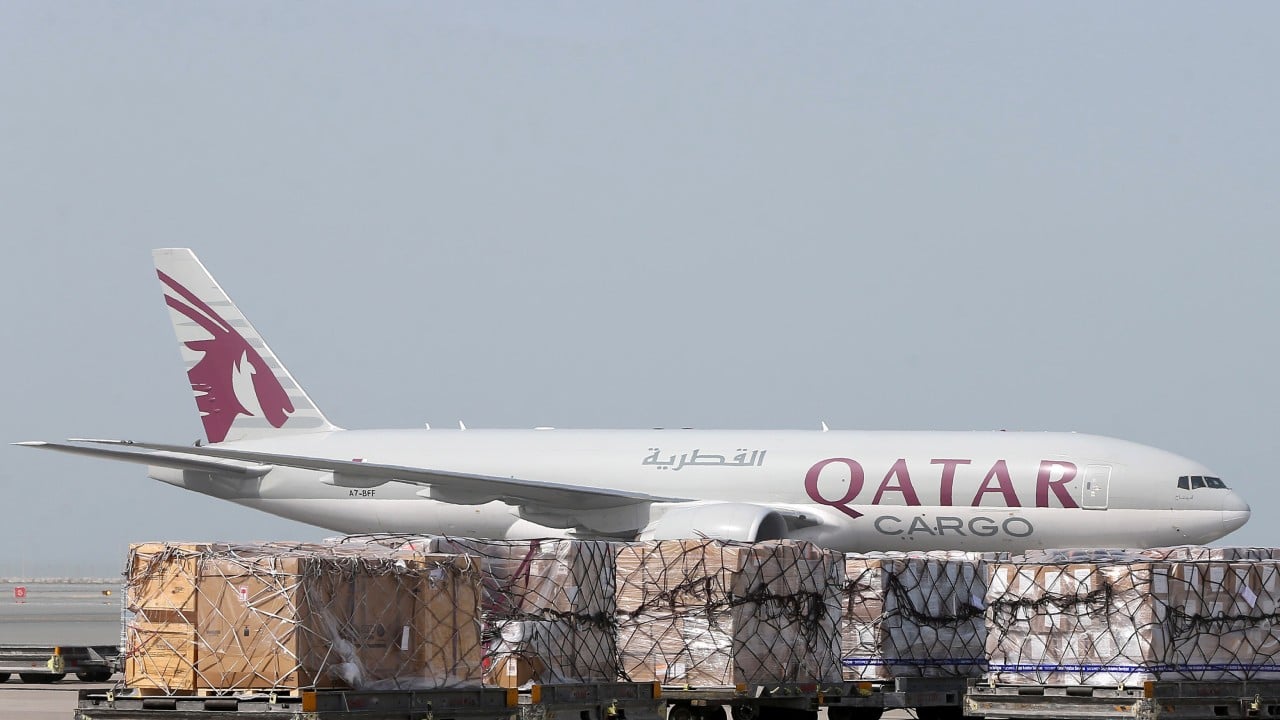
When the agency issues one of these orders, it acts as a sudden, bureaucratic brick wall. Shipments arriving at US ports are detained. Cargo containers sit idle on the docks. The message to international manufacturers is brutal and instantaneous: prove your goods were made ethically, or they will never enter the American market.
For a long time, the spotlight of these enforcement actions burned brightest elsewhere, particularly on the cotton fields of the Xinjiang region in China. The Uyghur Forced Labor Prevention Act established a strict standard of "guilty until proven innocent" for goods sourced from that area. But supply chains are fluid. As American companies scrambled to move their production lines away from scrutinized Chinese factories, many redirected their capital to India.
They sought refuge in the massive spinning mills and garment factories of places like Tirupur, a city often dubbed the "knitwear capital" of India. But the scrutiny followed the money.
The American government’s shifting focus is not an arbitrary political whim. It is driven by data gathered by non-governmental organizations, labor activists, and investigative journalists who have spent years documenting the systemic vulnerabilities within India’s manufacturing sectors. From the vast cotton fields of Gujarat to the brick kilns of Bihar and the gemstone-polishing workshops of Jaipur, investigators keep finding the same recurring patterns.
The Alchemy of Debt
When westerners hear the term "forced labor," they often picture chains, high fences, and armed guards. The reality in modern industrial centers is far more subtle, and far more devastating. It is a trap built not of steel, but of economic desperation.
Consider the mechanism of debt bondage. It usually begins in a remote, impoverished village. A family faces a medical emergency or a failed crop. A labor recruiter appears, offering a lump-sum loan to cover the crisis. In exchange, a young family member agrees to work at a distant mill or factory to pay off the debt.
It seems like a straightforward transaction. But the math is rigged.
Once the worker arrives at the facility, they find themselves trapped in a labyrinth of deductions. Food and cramped lodging in company-owned hostels are deducted from their wages. Fines are levied for minor infractions or missed quotas. The interest on the initial loan compounds relentlessly. Years pass, millions of stitches are sewn, and the debt remains virtually unchanged.
In some sectors, like the spinning mills of southern India, this system historically operated under formalized names, such as the Sumangali scheme. Recruiters marketed it to young women as a way to earn a lump-sum dowry after a few years of work. In practice, many found their freedom of movement severely restricted, their communications monitored, and their working hours extended far beyond legal limits.
This is what international trade laws define as forced labor. It is the inability to leave because the financial, social, and psychological costs of walking away are made impossibly high.
The Tracing Nightmare
For an American brand buying thousands of shirts, tracking these violations is an absolute nightmare. The global supply chain is not a straight line; it is a chaotic, opaque river.
A brand might contract with a pristine, modern factory in a major Indian metro area. That factory looks impeccable during a scheduled corporate audit. The floors are clean, the fire exits are clear, and the workers speak of fair wages.
But what happens when that factory receives an order for 500,000 shirts due in three weeks?
To meet the deadline, the primary contractor frequently subcontracts portions of the work to smaller, unregistered workshops hidden away in alleyways and rural villages. These unauthorized sub-contractors operate completely off the grid. Here, away from the eyes of corporate auditors, the true cost of production is pushed onto the most vulnerable.
The cotton itself complicates the picture even further. A single t-shirt might contain fiber harvested in one state, spun into yarn in another, woven into fabric in a third region, and finally dyed and stitched somewhere else entirely. By the time that garment is packed into a shipping container bound for Los Angeles or New York, the origin of the labor that produced it has been thoroughly laundered through layers of bureaucracy and middlemen.
This opacity is exactly why US authorities are applying pressure. They are demanding that global corporations map their supply chains down to the very raw materials, proving the pedigree of every thread.
A High-Stakes Game of Economic Friction
The implications of this escalating scrutiny extend far beyond corporate boardrooms; they threaten to inject massive friction into the broader economic relationship between Washington and New Delhi. India views its manufacturing and textile sectors as critical engines for national growth and job creation. Millions of citizens rely on these industries for their livelihoods.
When Washington threatens tariffs or import bans, it touches an incredibly sensitive nerve.
Defenders of the local industries argue that Western standards often fail to comprehend the sheer scale and complexity of a developing economy. They point out that isolated labor violations should not be used to broad-brush an entire national sector that has lifted millions out of extreme poverty. There is a deep-seated fear that aggressive US trade enforcement could be used as a veiled form of protectionism, shielding domestic Western industries under the banner of human rights.
Yet, the economic stakes for India are too high to ignore. If American buyers begin to view Indian suppliers as high-risk compliance liabilities, they will not hesitate to move their orders elsewhere—perhaps to Bangladesh, Vietnam, or Indonesia. The fear of losing access to the lucrative US market is a powerful motivator.
This reality has forced a quiet, uneven reckoning within the Indian industrial landscape.
Some forward-thinking manufacturers are embracing absolute transparency. They are investing in blockchain technology to track cotton from field to hanger. They are opening their factories to unannounced, independent labor audits and actively working to dismantle the exploitative recruitment practices that have dogged the industry for decades. They realize that in the modern global economy, a clean labor record is no longer just a moral preference; it is a fundamental requirement for market access.
But the transformation is painfully slow, and the temptation to cut corners remains intense in a market driven by the insatiable consumer demand for fast, cheap fashion.
The Face in the Mirror
It is easy to view this entire situation through the cold lens of trade policy, geopolitics, and corporate compliance metrics. We look at charts of tariff rates, read policy briefs on labor standards, and watch the diplomatic dance between global superpowers.
But the true center of gravity in this story is not located in Washington, nor is it found in New Delhi.
It is found in the everyday choices made by ordinary people. Every time we demand a five-dollar t-shirt delivered to our doorstep overnight, we are unconsciously participating in the system that puts pressure on Lakshmi’s sewing machine. The hyper-efficiency of the modern retail experience is built upon a foundation of squeezed margins, and those margins are almost always squeezed hardest at the very bottom of the pyramid.
The widening US tariff scanner is a symptom of a much larger, structural discomfort. It is an acknowledgment that the invisible lines connecting our closets to distant, sweltering factory floors can no longer remain entirely unseen.
The next time you pull a garment from your closet, take a close look at the neatly stitched label stitched into the collar. It tells you the country of origin. It lists the fabric blend. But it remains entirely silent about the human hands that held the cloth, the tired eyes that watched the needle, and the true cost of the thread that holds the whole thing together.