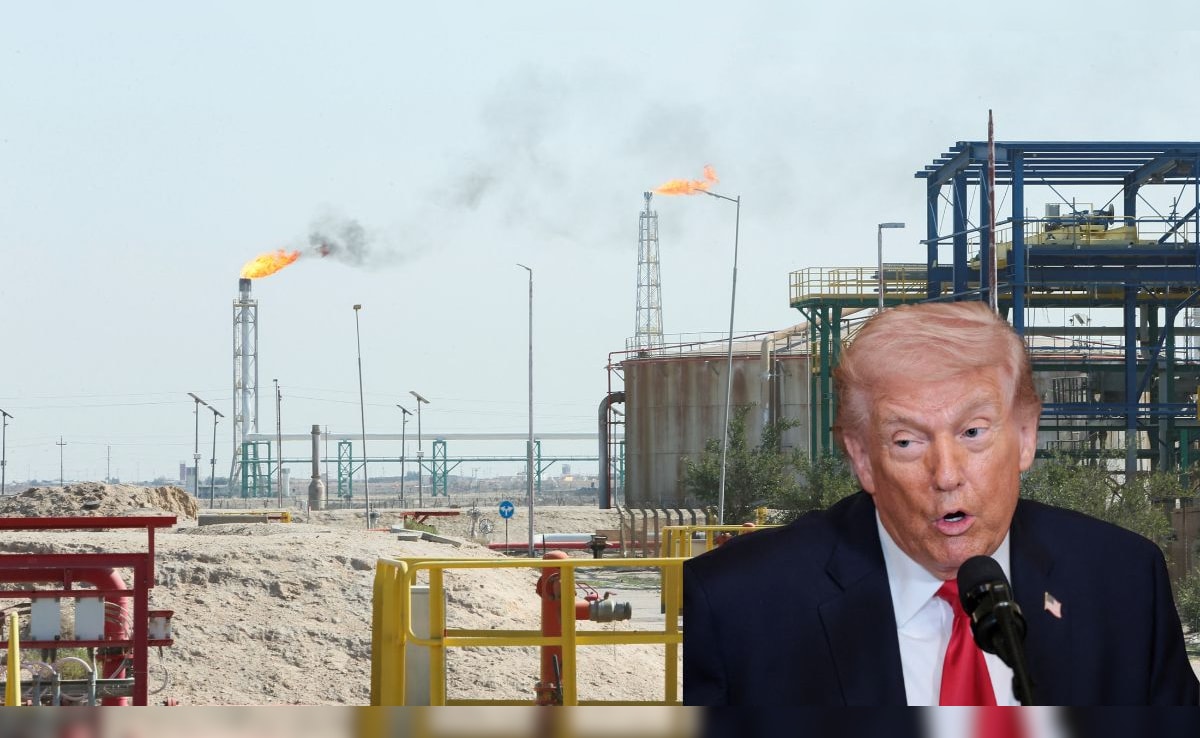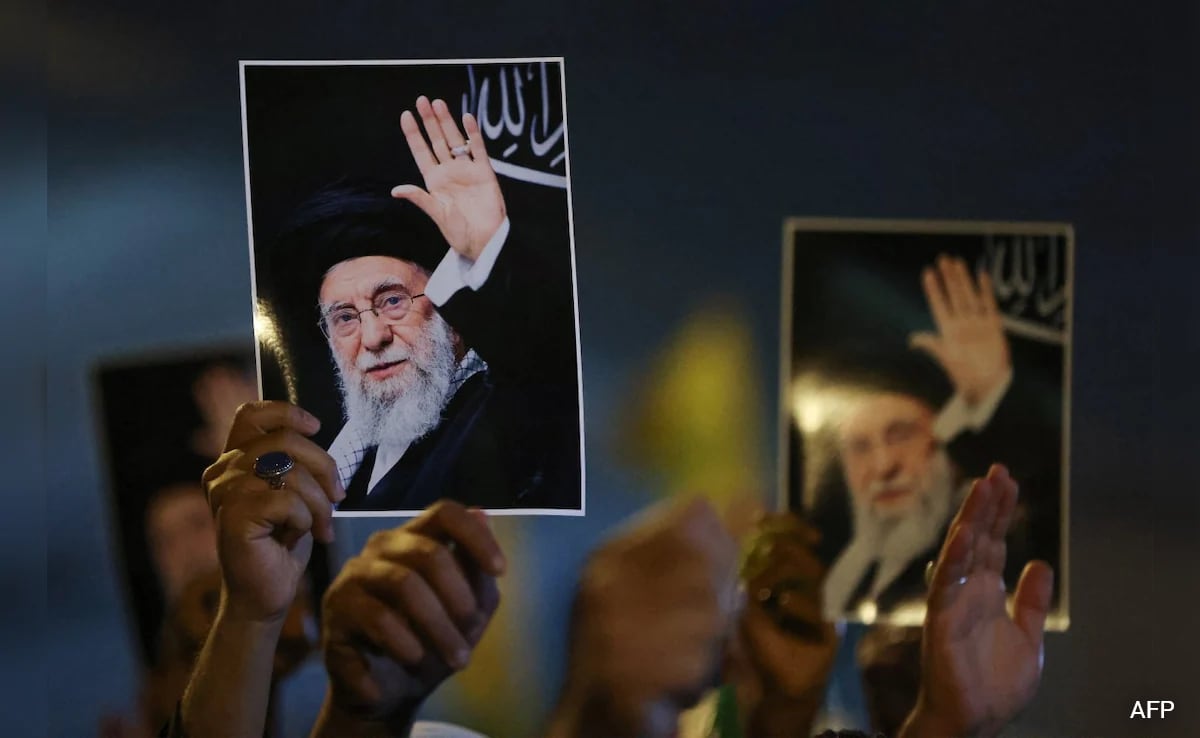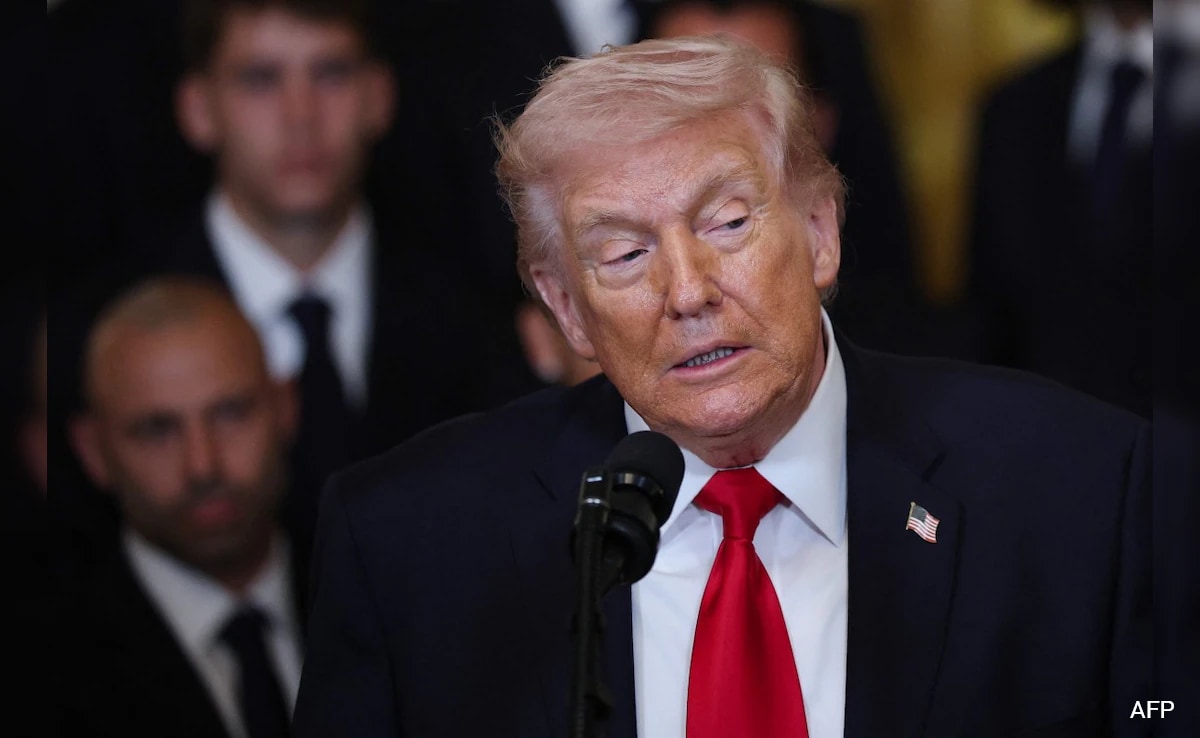
Donald Trump wants a ground war in Iran, but he doesn't want American boots to lead the charge. By endorsing a potential Kurdish offensive into western Iran, the administration is signaling a shift from a campaign of aerial bombardment to one of managed internal collapse. This is not a sudden burst of diplomatic enthusiasm; it is a calculated attempt to use the Middle East’s most effective stateless military force to crack the Iranian state along its ethnic seams. If the Kurds move, the war shifts from a series of high-tech missile exchanges to a messy, high-stakes insurgency that could redefine the borders of the Middle East.
The Loyalty Test in Erbil
The directive delivered to Kurdish leaders in Erbil and Sulaymaniyah was devoid of the usual diplomatic nuance. During a series of phone calls this week, the President reportedly presented the leaders of the Kurdistan Regional Government (KRG) with a binary choice. You are either with the United States and Israel, or you are with Tehran. This ultimatum effectively demands that the Iraqi Kurds abandon the uneasy "modus vivendi" they have maintained with Iran for decades—a peace built on the promise that Iraqi soil would not be used as a launchpad for Iranian dissidents.
By asking the Patriotic Union of Kurdistan (PUK) and the Kurdistan Democratic Party (KDP) to open their borders and provide logistical support to Iranian Kurdish militias, Washington is demanding the demolition of that peace. The Kurdish leaders are now trapped between a superpower that provides their security and a neighbor that has already begun raining ballistic missiles on their capital in retaliation for even the suggestion of cooperation.
The Coalition of the Dispossessed
For the Iranian Kurdish groups themselves, the opportunity is framed as "wonderful" by Washington, but it feels existential on the ground. Six major factions, including the Democratic Party of Iranian Kurdistan (PDKI) and the Kurdistan Freedom Party (PAK), have recently unified under the Coalition of Political Forces of Iranian Kurdistan (CPFIK). This level of unity is rare and historically precedes significant regional shifts.
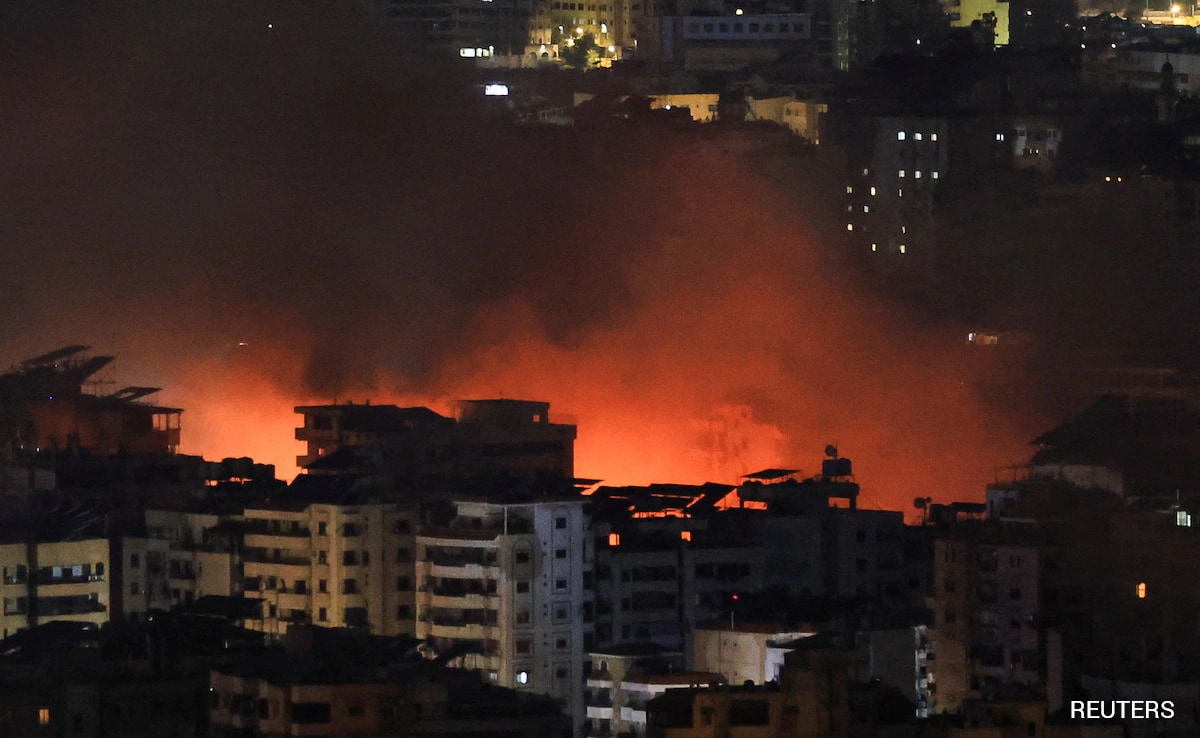
These groups are not looking for a simple skirmish. Their objective is the establishment of a federal, decentralized Iran where Kurdish self-determination is guaranteed. They are battle-hardened from years of low-level insurgency and are currently being emboldened by the degradation of Iranian internal security. Recent strikes by the U.S. and Israel have targeted not just missile silos, but the local headquarters of the Islamic Revolutionary Guard Corps (IRGC) and Basij stations in western provinces like Kermanshah and West Azerbaijan.
- Degraded Infrastructure: Over 20% of recent coalition strikes have focused on Kurdish-majority provinces.
- Security Vacuum: The destruction of local police and border outposts has created corridors for infiltration.
- Ammunition Pipelines: Reports suggest the CIA is vetting "lethal aid" packages to ensure weapons don't end up in the hands of groups that might later target Turkey.
The Air Cover Dilemma
The primary sticking point for a Kurdish ground offensive remains the promise of "extensive air cover." Trump’s public refusal to confirm this to Reuters—stating "I can’t tell you that"—is a classic negotiation tactic, but for the Kurds, it’s a matter of life and death. Without sustained protection from the U.S. Air Force, any Kurdish push into Iranian territory would be a suicide mission. The IRGC, while battered at the command-and-control level, still possesses significant drone and mobile artillery capabilities.
The Kurds remember 2019 in Syria. They remember 2017 in Kirkuk. The fear of being used as a temporary lever of pressure and then abandoned once a deal is struck with "cooperative elements" of the Iranian regime remains the single greatest barrier to a full-scale uprising.
Regional Dominoes and the Turkish Factor
The most significant risk to this strategy isn't in Tehran, but in Ankara. The presence of the Kurdistan Free Life Party (PJAK) in the new coalition is a massive red flag for Turkey. Because PJAK is ideologically and organizationally linked to the PKK, any U.S. support for them is viewed by the Turkish government as an indirect threat to their own national security.
The administration’s gambit assumes that Turkey will remain on the sidelines if the goal is the removal of the Iranian threat. However, history suggests that Turkey prefers a stable, central Iranian government to a chaotic, autonomous Kurdish belt along its borders. If the U.S. backs the "wrong" Kurdish group, it risks a secondary conflict with a NATO ally.
The Strategy of Disintegration
This is no longer a war about stopping a nuclear program. The rhetoric coming out of the White House suggests the objective has shifted to a permanent restructuring of the Iranian state. By supporting ethnic minorities—not just Kurds, but potentially Baluchis and Azeris—the administration is betting that the Islamic Republic cannot survive a multi-front internal rebellion while simultaneously being hit from the air.
The cost of the first week of this war has already exceeded $5 billion. By outsourcing the ground component to the Kurds, the U.S. minimizes its own casualties and expenditures in the short term. But the long-term price of breaking a nation-state into ethnic fiefdoms is rarely paid by the people who order the strikes from Washington.
Would you like me to look into the specific military capabilities of the CPFIK militias currently stationed along the border?