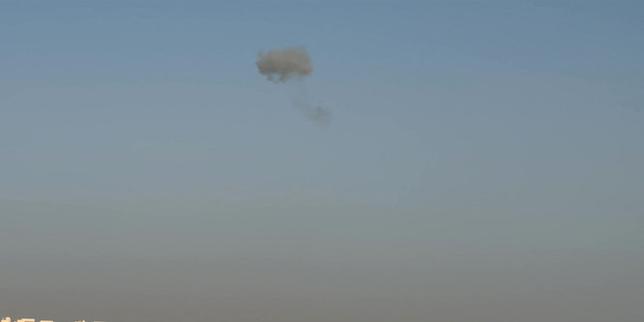
The rules of engagement in the Persian Gulf just got rewritten in real time. When Tehran launched a coordinated wave of ballistic and drone strikes against American military installations across the region, it wasn't just another routine exchange of threats. This was a direct response to a fresh series of deadly US airstrikes that hit Iranian-linked targets, leaving little doubt that the fragile stability in the region has completely collapsed. If you think this is localized sabre-rattling, you're missing the broader picture of how rapidly modern military friction escalates into total regional gridlock.
To understand why these events matter right now, you have to look at the sequence of escalation. Washington initiated a heavy wave of bombardments, marking a severe escalation in direct confrontations. Tehran didn't wait to absorb the blow passively. Iranian forces quickly retaliated by targeting American outposts and coalition assets scattered throughout the Gulf states, sending shockwaves through global energy markets and diplomatic channels alike.
The Anatomy of the Escalation
Most casual observers assume these military actions happen in a vacuum. They don't. The current friction stems from months of compounding tension following shifting political landscapes in Tehran and aggressive deterrence postures from Washington.
- The Trigger: US warplanes executed strategic raids against positions tied to Iranian interests, citing the necessity to protect regional assets and shipping lanes.
- The Counter-Strike: Revolutionary Guard units responded by launching projectiles toward multiple regional hubs hosting US personnel, showing a calculated shift toward asymmetric deterrence.
- The Collateral Risk: Commercial shipping lanes, oil terminals, and local infrastructure in places like the Strait of Hormuz immediately caught the crossfire, spiking maritime insurance rates overnight.
You can't separate these kinetic strikes from the economic chokepoints they threaten. When military planners talk about bases in the Gulf, they're talking about the geopolitical nerve center of global oil supply. Every time a missile flies over these waters, shipping conglomerates recalculate routes, and energy traders panic.
What Most Analysts Get Wrong
A common misconception is that these strikes lead inevitably to full-scale conventional war between superpowers. History shows both sides prefer a dangerous dance along the brink rather than mutual annihilation. Iran uses these proxy and direct asymmetrical responses to signal pain without triggering an overwhelming American ground invasion, while Washington relies on targeted air power to re-establish deterrence without getting dragged into another endless Middle Eastern quagmire.
However, relying on this historical restraint is getting riskier. With communication channels freezing up and hardline political factions gaining momentum on both sides, miscalculation remains the single biggest threat. All it takes is one air defense battery failing to intercept an incoming drone, resulting in mass American casualties, to completely take the decision-making out of diplomatic hands.
Keep a close eye on maritime traffic data coming out of the Gulf rather than just official government press releases. When commercial tankers start halting operations en masse or rerouting entirely around the Cape of Good Hope, you know the security calculus on the ground has shifted permanently. Prepare your supply chains and asset allocations for prolonged volatility, because this standoff isn't resolving itself anytime soon.