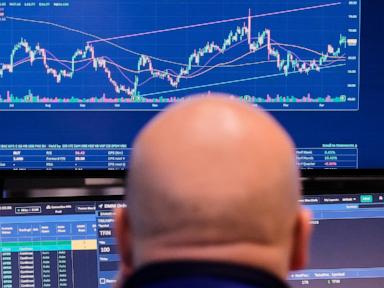
The floor of the New York Stock Exchange isn't a place for the faint of heart right now, and the ripples are hitting Asian markets with a vengeance. If you've been watching your brokerage account this morning, you're seeing a sea of red that has very little to do with corporate earnings and everything to do with a narrow strip of water thousands of miles away.
Wall Street's retreat from all-time highs isn't a fluke. It's a calculated exit as investors realize that the "short, sharp" conflict everyone hoped for in the Middle East is turning into a grinding naval standoff. While President Trump is busy extending shipping waivers and talking up ceasefires on social media, the actual price of a barrel of Brent crude is telling a much grimmer story. Meanwhile, you can explore related stories here: The $80 Bottle of Detergent and the Secret Pulse of the American Pantry.
I've seen these cycles before—where geopolitical "noise" becomes a fundamental market driver—and this one is hitting Asia particularly hard because of its massive reliance on energy imports.
The Strait of Hormuz is the Only Metric That Matters
Forget the P/E ratios and the tech hype for a second. The reality of the market on April 24, 2026, is defined by the Strait of Hormuz. Before the war, about 20 million barrels of oil moved through that chokepoint daily. Now? It's a ghost town of naval blockades and fast-attack boats. To explore the bigger picture, check out the excellent article by Harvard Business Review.
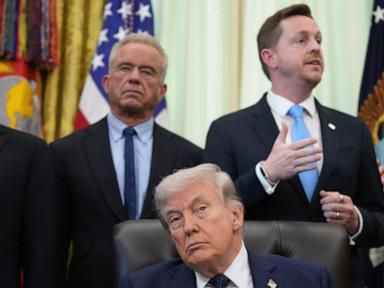
The markets are reacting to two conflicting signals. On one hand, Trump extended a Jones Act waiver today, which basically makes it easier for non-American ships to move fuel to U.S. ports. That's a band-aid. On the other hand, peace talks in Tehran have hit a wall. Traders hate uncertainty more than bad news, and right now, the "uncertainty" involves 20% of the world's oil supply being effectively trapped in the Persian Gulf.
Oil prices are doing a jittery dance. Brent crude is hovering near $99 after briefly touching $107 yesterday. WTI is trailing at $95. If you're wondering why your airline stocks or logistics holdings are tanking, that's your answer. When fuel costs jump 30% in two months, "growth" becomes a secondary concern to "survival."
Asia is Taking the Brunt of the Blow
Asian stocks aren't just "slipping"—they're readjusting to a world where energy is a luxury. While Tokyo's Nikkei managed to claw back a 1% gain thanks to a frantic surge in chipmakers like TSMC, the rest of the region looks shaky.
The Indian Sensex dropped 1.4% today. That's a massive hit for a single session. Why? Because India is an oil-importing machine. Every dollar added to the price of a barrel is a direct tax on the Indian economy. The rupee is sliding too, hitting 94.25 against the dollar. It's a double whammy: you're paying more for oil, and your currency is worth less when you go to buy it.
A Quick Look at the Damage
- South Korea’s Kospi: Flat. Traders are paralyzed, watching the won struggle against the dollar.
- Hong Kong’s Hang Seng: Edged up a tiny 0.2%, but it’s mostly just correcting from a brutal week of selling.
- Australia’s S&P/ASX 200: Down 0.1%. Even the commodity-heavy Aussies can't outrun the global fear of a prolonged Iran war.
- Taiwan’s Taiex: The outlier. It jumped 3.2% because the world still needs chips more than it fears war. TSMC is basically the only thing keeping the lights on in some portfolios right now.
What Most Investors Are Getting Wrong About This Standoff
The biggest mistake you can make right now is thinking this is a repeat of 2022. It's not. Back then, we had supply chain issues and a land war in Europe. This time, we have a maritime blockade in the world's most critical energy artery.
The "doubts" mentioned in the headlines aren't just about whether a ceasefire will hold. They're about whether the infrastructure is permanently damaged. Reports are coming in that Qatar’s Ras Laffan facility—a massive LNG hub—is still largely offline after attacks in March. We're looking at a 3-to-5-year fix for some of that equipment. This isn't a "glitch" in the market; it's a structural shift.
If you're holding heavy positions in consumer discretionary or traditional transport, you're fighting an uphill battle. The cost of everything—from fertilizer to jet fuel—is being pushed higher by this naval standoff.
How to Protect Your Portfolio Without Panic Selling
You don't need to dump everything and hide in gold, but you do need to stop pretending it's "business as usual." The correlation between Wall Street's tech-heavy losses and Asian market jitters is real, and it’s being fueled by rising bond yields. The US 10-year Treasury is sitting at 4.33%. When you can get that kind of guaranteed return, nobody wants to gamble on a volatile stock in a war zone.
1. Watch the Yen and the Rupee. These are the "canaries in the coal mine" for Asian stability. If they keep sliding, the stock sell-off hasn't reached its floor.
2. Look at the "Energy Insulated" sectors. Notice how TSMC and the big tech firms in Japan are still finding buyers? They have pricing power. They can pass on costs. A regional airline can't.
3. Ignore the social media noise. Trump’s posts about "Great Meetings" don't open the Strait of Hormuz. Only a signed, verified diplomatic breakthrough does that. Until you see tankers moving freely, the "war premium" remains baked into the price of everything you buy.
The best move right now is a defensive one. Rebalance into sectors that aren't tied to Persian Gulf logistics—think domestic-focused tech or healthcare—and keep enough cash on the sidelines to buy the inevitable dip when the diplomacy finally catches up to the reality on the ground.