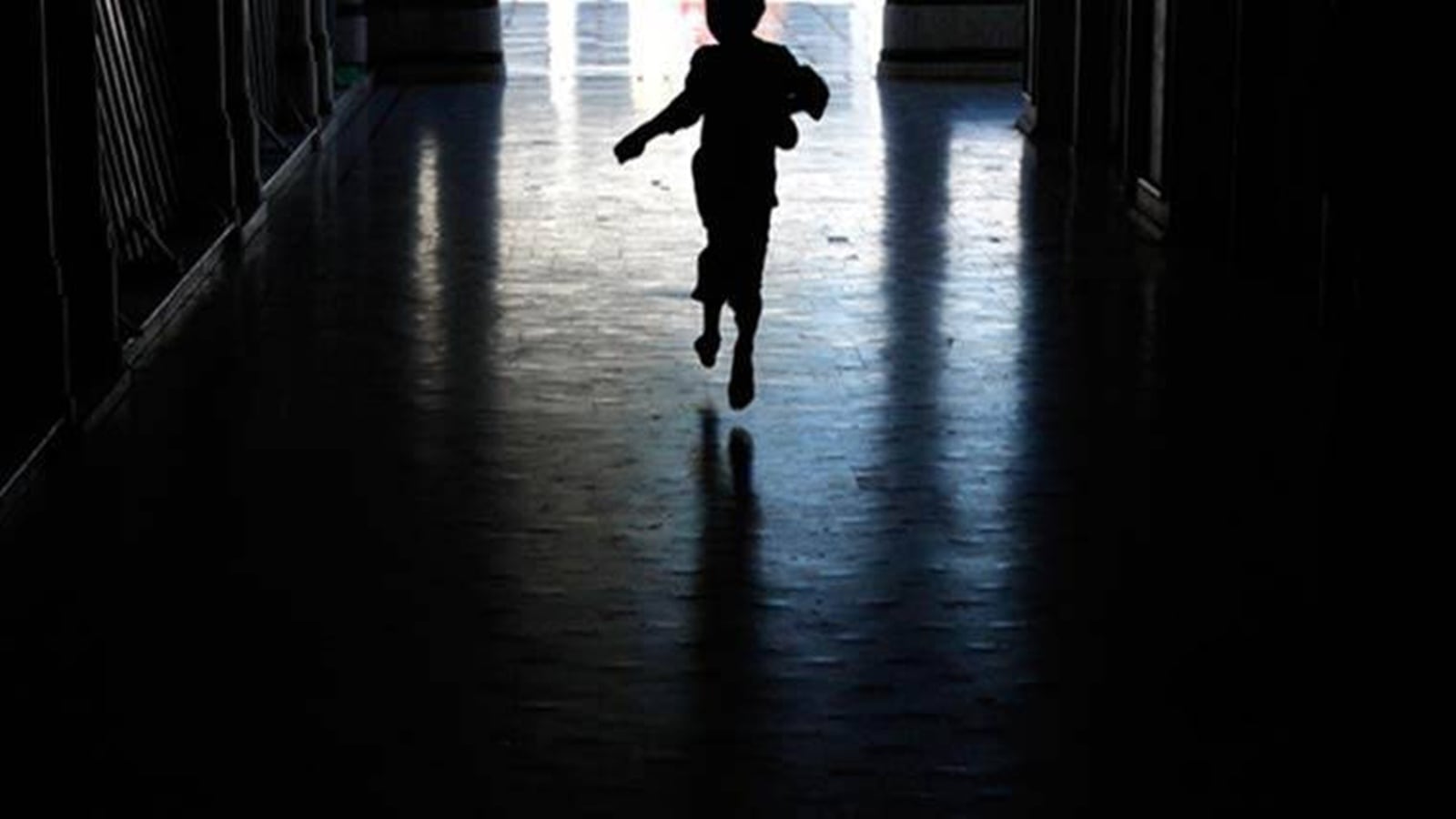
The air in a primary school at 7:45 in the morning smells the same almost anywhere in the world. It is a mixture of floor polish, sharp pencils, cold radiator metal, and the faint, sweet trace of spilled juice boxes. There is a specific kind of quiet in those hallways before the bell rings. It is a fragile, expectant silence, the kind that holds the ghost of yesterday’s laughter and the promise of today’s spelling test.
Then the ceiling caves in.
We have grown accustomed to the vocabulary of modern warfare. We read words like unmanned aerial vehicle, precision strike, and collateral damage over our morning coffee, nodding at the clinical efficiency of it all. The headlines tell us that Russia is blaming Ukraine for a drone strike on a school that left four people dead. They call it a monstrous crime. The official statements are issued. The diplomatic machinery grinds on.
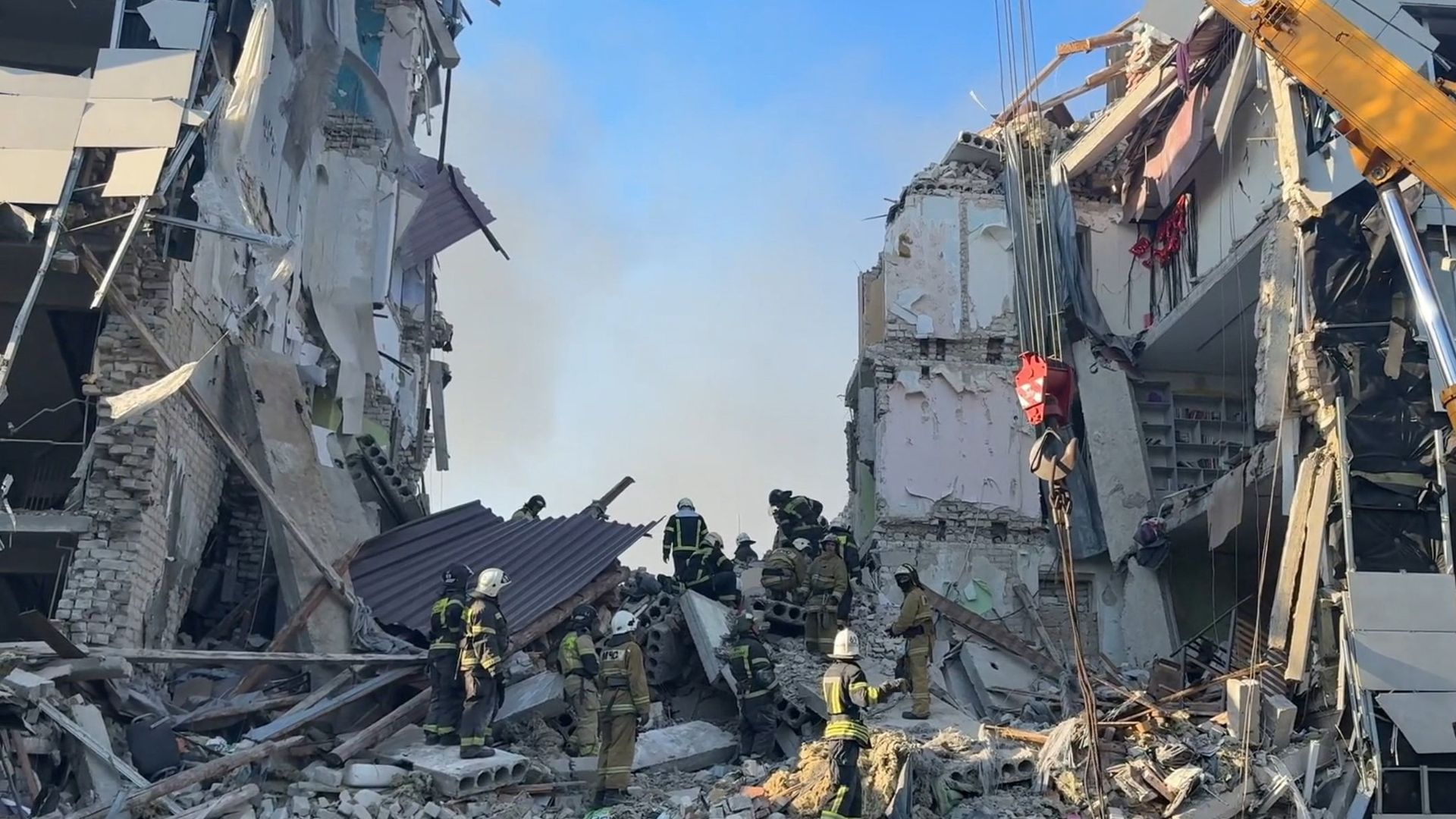
But the geometry of a drone strike looks entirely different from the ground. It looks like a bright blue plastic chair crushed beneath a chunk of scorched concrete. It looks like a notebook, its pages singed black at the edges, fluttering in a freezing wind because the windows no longer exist.
Wars are fought by armies, but they are recorded in the wreckage of ordinary lives. When a weapon designed for a battlefield tears through a place meant for multiplication tables, the universe tilts. The true cost of this conflict is not measured in territory gained or lost. It is measured in the sudden, violent erasure of safe spaces.
The Sound of an Incoming Engine
To understand what happened, you have to look past the official press releases from Moscow and Kyiv. You have to sit in the dust.
A modern military drone does not sound like a jet. It does not possess the terrifying, thunderous roar that gives you a few seconds to run for a basement. It whines. It buzzes with a high-pitched, mechanical drone that sounds maddeningly like a lawnmower engine or a weed whacker echoing from a distant yard. It is a domestic sound, a mundane sound, until it grows louder.
Consider the people who woke up that morning expecting nothing more than a Tuesday. A school cook arriving early to start the broth for lunch. A custodian dragging a mop bucket down the corridor, the wheels squeaking rhythmically against the linoleum. A teacher setting up a display of paper snowflakes on the bulletin board.
These are not combatants. They do not wear body armor. Their only defense was a brick wall and the shared, unwritten human agreement that schools are sacred.
When the drone struck, that agreement shattered alongside the glass. The blast wave from a thermobaric or high-explosive payload does not just destroy; it hollows out. The pressure knocks the breath from your lungs before the heat even arrives. In a fraction of a second, a room dedicated to nurturing the future becomes a tomb for the present. Four lives ended in that flash. Four families were plunged into a grief so sharp it defies the clean formatting of a news report.
The War of Words Over the Rubble
Almost before the dust had settled, the second phase of the strike began. The rhetorical one.
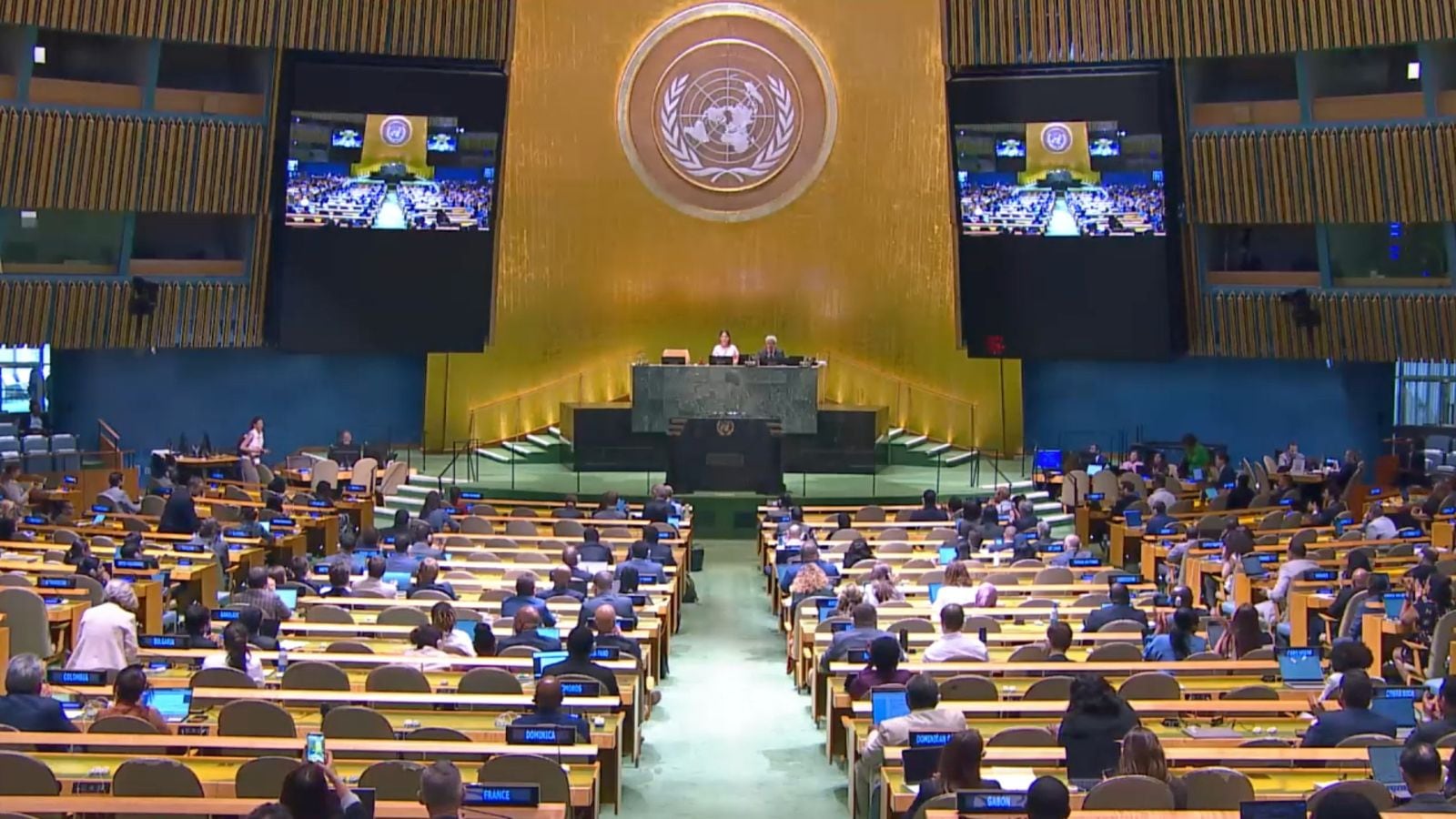
The Russian government immediately seized upon the tragedy, labeling the attack an act of sheer terrorism, a monstrous crime engineered by Ukrainian forces targeting civilian infrastructure deep within their borders. The language used was deliberate, heavy with moral outrage, designed to paint a picture of unprovoked malice. Officials spoke to state media with controlled fury, demanding international condemnation.
On the other side, the silence or the calculated ambiguity from Kyiv tells a different story of the same event. In the grim calculus of this war, cross-border strikes have become a regular occurrence, an attempt to bring the reality of the front line to those who have remained insulated from it, or to disrupt logistics and communications hubs that often hide in plain sight near civilian centers.
This is where the truth becomes a casualty of perspective. Who pulled the trigger? What was the intended target? Was it a guidance failure, a deliberate provocation, or a tragic miscalculation?
The answers to these questions matter immensely to historians and international lawyers. They matter to politicians drafting sanctions or military commanders adjusting air defense grids. But to the person standing outside the smoking ruin of a school, holding a single shoe that belongs to a coworker, the geopolitical context feels insulting. The outrage from official channels rings hollow when it comes from governments that have spent years normalizing the destruction of cities.
The Anatomy of the New Normal
We live in an era where the sky is no longer empty. For generations, the threat of war came from the horizon, a visible line of soldiers or tanks. Later, it came from high-altitude bombers, abstract and distant. Today, war is low-flying, autonomous, and cheap.
A drone can be assembled in a garage. It can be guided by a teenager with a tablet miles away. This democratization of airpower means that the front line is everywhere and nowhere all at once. A school in a quiet town is suddenly just as vulnerable as a trench on the Donbas frontline.
Think about the psychological toll of that reality. It changes how people walk down the street. It changes how parents kiss their children goodbye before work. When the sky itself becomes a source of ambient dread, the fabric of daily life begins to fray. You find yourself listening to the hum of a refrigerator or the drone of a passing delivery truck with a tight, involuntary knot in your stomach.
This is the hidden tax of modern conflict. It is the exhaustion of perpetual alertness. The tragedy of the four dead in this particular strike is magnified by the knowledge that they will not be the last, because the technology that killed them is too efficient, too accessible, and too politically useful to stop.
The Things Left Behind in the Dust
The official reports will eventually be filed away into archives. The names of the deceased will become statistics used by pundits to argue for more weapons or more peace talks, depending on their leanings. The school will either be rebuilt with thicker concrete or left as a scarred monument to a bitter era.
But the small things remain.
The chalkboards that didn't break still hold the remnants of lessons that will never be finished. A diagram of a plant cell. A list of irregular verbs. A reminder that permission slips for a field trip are due by Friday.
Those marks on the board are a testament to the stubborn persistence of normal life in the shadow of catastrophe. They show that until the very second the world tore apart, people were trying to learn, trying to grow, and trying to build something that outlasts the violence.
We look at the photographs of the wreckage and see a geopolitical flashpoint. We see Russia, Ukraine, drones, and international law. But if you look closer, past the smoke and the jagged iron, you see the real story. You see the ordinary, quiet defiance of a teacher who got up at dawn to prepare a classroom, believing that the world was a place worth explaining to a child. That belief is what was truly targeted. That is what we are losing, piece by piece, with every drone that falls from the morning sky.