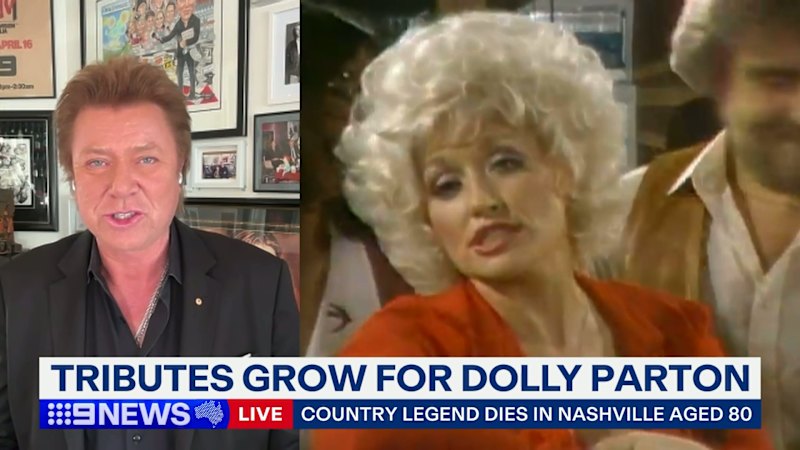
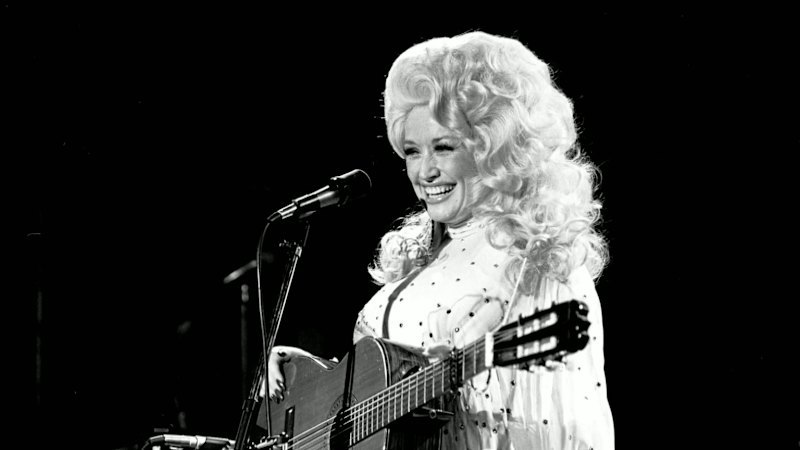
The internet is weeping over a milestone. Headlines scream about an eighty-year legacy, framing the passing of Dolly Parton as the quiet fading of a country music relic. People are scrubbing away the decades, reducing a multi-billion-dollar cultural architect to a nostalgic postcard of big hair, rhinestones, and "Jolene."
It is lazy, sentimental garbage.
Treating Dolly Parton as a mere country singer who aged out of the spotlight misunderstands the most ruthless, brilliant business mind in modern American entertainment. She did not survive six decades in an industry designed to chew up women and spit them out by thirty because she could yodel. She survived because she weaponized self-effacing humor to shield a corporate empire that would make a Wall Street private equity firm blush.
Stop mourning the singer. Look at the strategist.
The Cartoon Was the Armor
The greatest magic trick in the history of pop culture was convincing the world that Dolly Parton was a simple, naive mountain girl who stumbled into a fortune.
"It costs a lot of money to look this cheap," she famously joked. Every profile repeats it. Every puff piece treats it as charming self-deprecation. Nobody ever stops to ask why she spent forty years feeding that exact narrative to the press.
In a hyper-masculine, predatory Nashville machine that treated female artists as disposable commodities, Parton needed a shield. Executives patronized her. Talk show hosts patronized her. They assumed the jokes about her appearance meant her brain stopped at the rhinestones. Meanwhile, she was quietly securing complete ownership of her master recordings. In 1984, long before Taylor Swift made owning your catalog a mainstream crusade, Parton founded Velvet Blue Music and retained publishing rights to her entire catalog—including "I Will Always Love You."
When Whitney Houston’s version exploded in 1992, millions in royalties rolled directly into Parton's privately held accounts. She didn't throw a tantrum about industry fairness. She just cashed the checks while wearing designer heels and playing the fool.
Calling her a victim of age or time misses the entire blueprint. She didn't age out of the industry. She outlived it, bought out parts of it, and left the rest behind.
Dollywood is Not an Amusement Park It is a Feudal Kingdom
When cultural commentators eulogize her, they point to Dollywood as a cute little theme park in the Smoky Mountains where locals sell funnel cakes.
That view is dangerously myopic.
Dollywood and its surrounding resort properties form an economic engine that single-handedly props up Sevier County, Tennessee. Parton didn't license her name to a conglomerate. Hers is a majority stake in Herschend Family Entertainment’s regional properties, anchoring an empire that employs thousands of local workers, funds regional education through her Imagination Library, and generates hundreds of millions in tourism revenue without taking a dime of public bailout money.
Economists love to talk about trickle-down theory as a failed experiment. Parton proved it works if you bypass corporate middlemen and build the factory in your own backyard. While major labels gutted artist royalties and streaming platforms stripped musicians of their livelihood, Parton built a vertically integrated tourism and publishing monopoly.
If you want a masterclass in independent wealth preservation, stop reading Silicon Valley tech manifestos and study how a girl from Locust Ridge built a cash-flowing fortress in the hills of East Tennessee.
The Imagination Library Was Never Charity
Let’s dismantle another lazy consensus: the idea that Dolly Parton’s literacy program is just sweet, charitable philanthropy.
Every year, the Dollywood Foundation mails millions of free books to children across the globe. Commentators praise her big heart. They frame it as a heartwarming hobby for an aging icon.
It is actually a masterclass in long-term brand equity and customer acquisition.
By getting her name onto the first books a child ever holds—delivered directly to their home every month from birth to age five—she locked in brand loyalty before those kids could even tie their shoes. It is the most effective generational marketing funnel ever devised. She didn't spend billions on targeted digital ads. She built an infrastructure of goodwill that insulated her brand from every cultural shift, political polarization, or industry scandal of the past thirty years.
When you own the books children read first and the amusement park they visit on vacation, you do not need radio airplay. You transcend the charts entirely.
The Death of a Myth
The grief over her passing assumes that her cultural relevance was tethered to her physical presence on a stage. That is the exact trap she spent her whole life setting for everyone else.
She stopped touring because physical arenas are for artists who need validation. Titans build systems that run while they sleep.
The media wants you to remember her as a tragic footnote in country music history, a beloved grandmother of the genre who finally ran out of time. That narrative lets the modern music industry off the hook. It allows executives to pretend that her success was an anomaly of folksy charm rather than calculated, cold-blooded business execution.
Do not remember her as a victim of the calendar. Remember her as the executive who wore a sequined suit, smiled at the men who underestimated her, and owned the whole damn building.