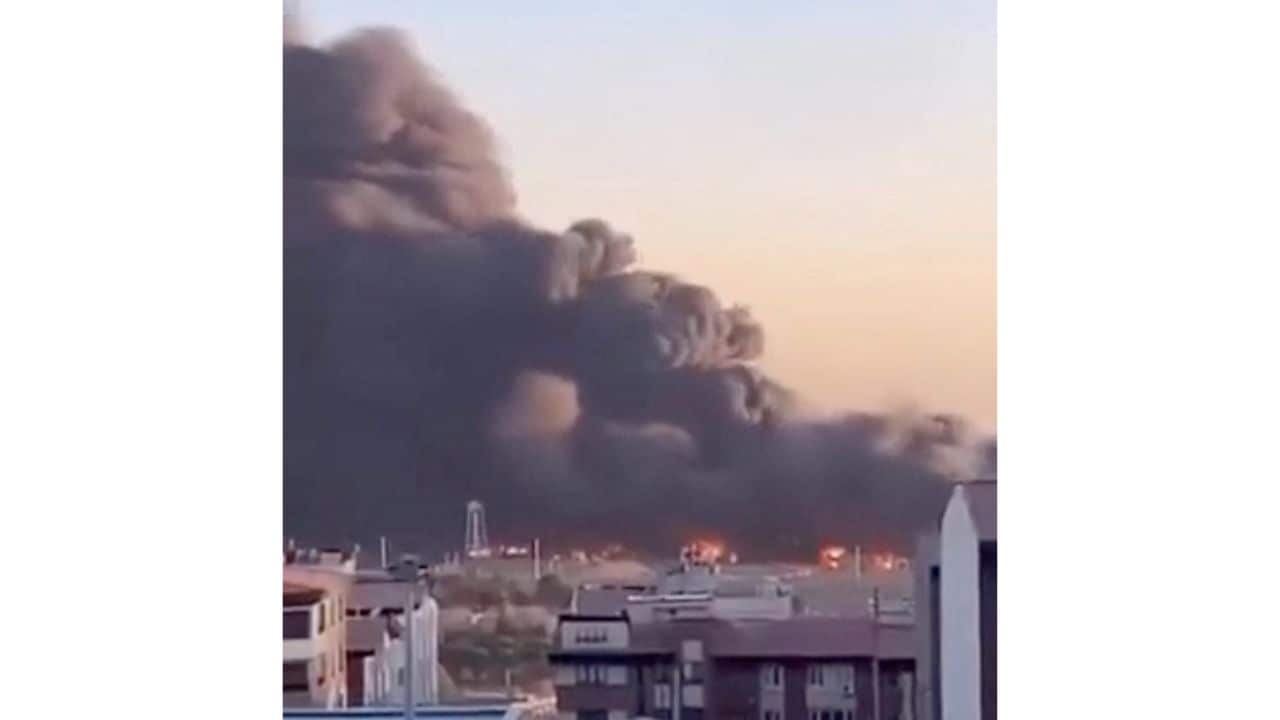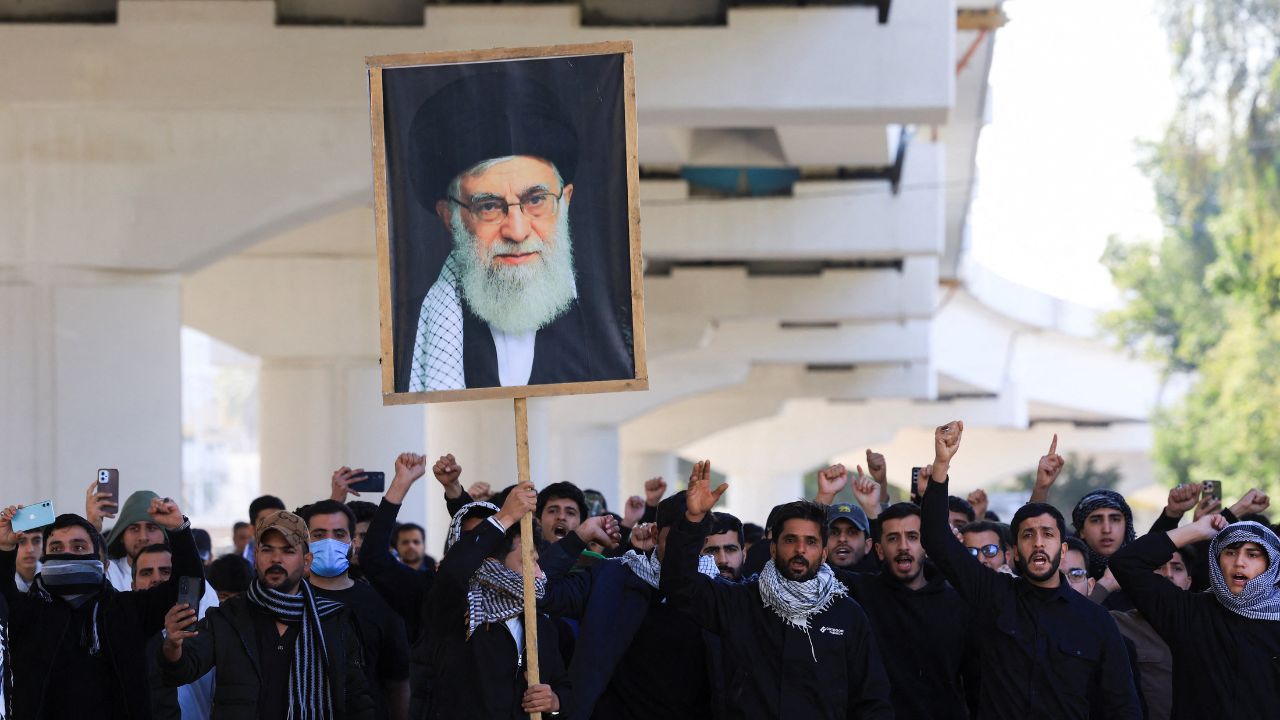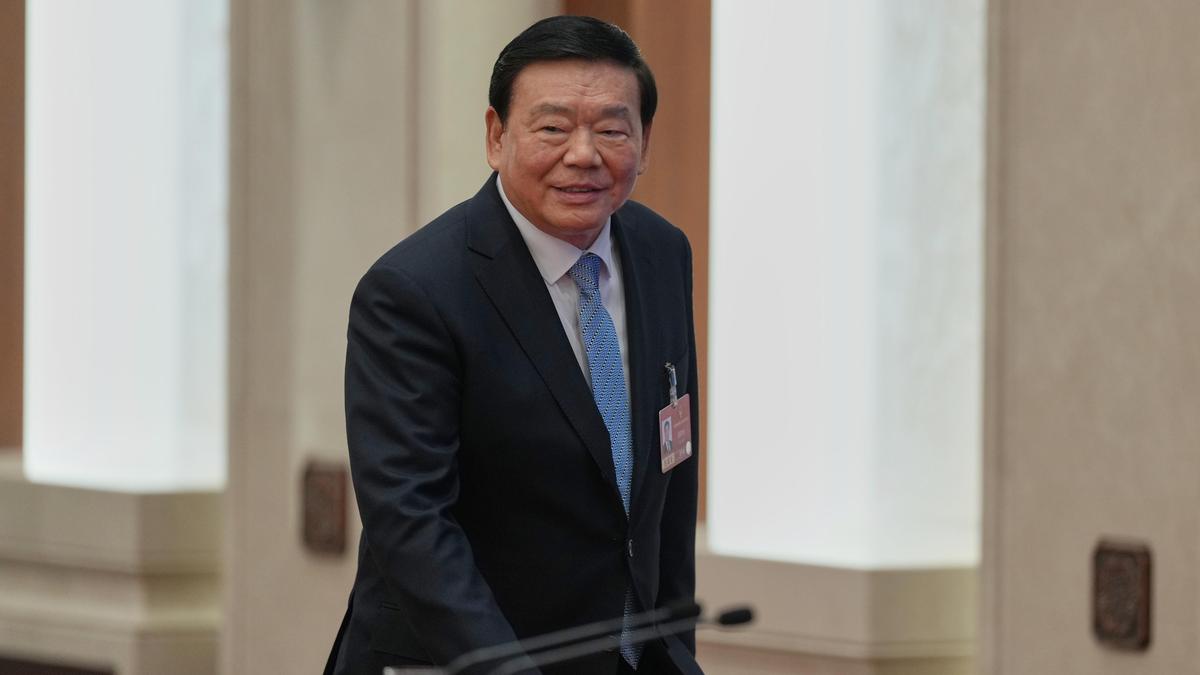
The smoke has barely cleared from the ruins of Singha Durbar, yet 19 million Nepalis are being ushered toward the ballot box tomorrow, March 5, 2026. This is not the orderly democratic transition the international community wants to see. It is a desperate fast-track attempt to fill a void left by the "Gen Z" uprising of September 2025—a movement that saw teenagers in school uniforms topple a government in forty-eight hours of historic, bloody rage.
While the media portrays this as a pivotal moment for democracy, the reality on the ground in Kathmandu is far more cynical. The three major parties that have rotated power for decades—the Nepali Congress, the CPN-UML, and the Maoists—have not disappeared. Instead, they have rebranded, swapped leaders, and buried their internal feuds just long enough to ensure they aren't completely erased by the populist wave. The March 5 election for 275 seats in the House of Representatives is a race against time, a gamble by the old guard to reclaim legitimacy before the leaderless energy of the streets can solidify into a coherent political machine.
The Digital Spark and the Ash of the Old Guard
The collapse of the K.P. Sharma Oli administration was not triggered by a policy debate or a parliamentary maneuver. It began with a digital blackout. When the government banned 26 social media platforms in September 2025, it unwittingly severed the only outlet for a generation suffocating under 82% informal employment and a $1,447 GDP per capita.
What followed was a wholesale rejection of the "NepoBaby" culture—the visible, opulent lifestyles of political scions displayed on Instagram while the average youth waited in line for a foreign work visa. The violence was surgical and symbolic. Protesters did not just march; they burned the Prime Minister’s Office, the Ministry of Finance, and the Supreme Court. They targeted the homes of five-time Prime Minister Sher Bahadur Deuba and his wife, Arzu Rana Deuba.
This was a total breakdown of the social contract. The interim government, led by former Chief Justice Sushila Karki, has spent the last six months acting as a glorified placeholder, struggling to rebuild the physical and institutional infrastructure of a state that its own citizens tried to dismantle. Karki’s appointment itself remains a legal grey area, technically clashing with constitutional bans on former judges holding government office. But in a country where the Parliament building was an incinerated shell, constitutional purism was a secondary concern to basic stability.
Fragmentation and the Proportional Trap
The ballot paper for this election is a chaotic map of 143 registered parties, a record number that reveals a deeply fractured electorate. While the "new wave" parties like the Rastriya Swatantra Party (RSP) hope to capitalize on the anger of 800,000 first-time voters, the electoral system itself is designed to protect the status quo.
Nepal uses a mixed system: 165 seats are decided by First-Past-The-Post (FPTP) and 110 by Proportional Representation (PR). The PR system, intended to ensure the inclusion of Dalits, Janajatis, and Madhesis, has become a lifeline for established parties. Even if a veteran leader loses their local seat in a landslide of youth resentment, they can hide in the closed party lists, ensuring they return to the House through the back door.
Key Contests to Watch:
- Jhapa 5: K.P. Sharma Oli, the 74-year-old titan of the CPN-UML, is fighting for his political life against Balendra Shah of the RSP. Shah, a former Kathmandu mayor with a massive digital following, represents the "Gen Z" threat in its most potent form.
- Sarlahi 4: Gagan Thapa, the newly minted president of the Nepali Congress, has abandoned his safe Kathmandu seat to run in the Madhesh province. It is a high-stakes gamble to prove that the old parties can still speak to the marginalized borderlands.
The Federalism Mirage
The most dangerous overlooked factor in this election is the omission of provincial assembly votes. This is a federal election only. While the center tries to reboot itself, the seven provinces remain in a state of administrative paralysis. Provincial Chief Ministers have spent the last year complaining that the "devolution of power" was a lie; they have the responsibilities of government but the budget of a single federal ministry.
This structural failure ensures that whoever wins tomorrow will inherit a broken machine. The 2015 Constitution promised a decentralized Nepal, but the federal bureaucracy has refused to let go of the purse strings. Without a concurrent provincial election, the March 5 vote risks creating a "top-heavy" government that is once again disconnected from the rural reality where the Maoist insurgency first took root decades ago.
The Geopolitical Shadow
Nepal’s internal chaos is being watched with predatory interest by its neighbors. The 2024 collapse was partly fueled by disputes over the investment modality of China’s Belt and Road Initiative (BRI) and the growing strategic convergence between India and the West.
The next government will not have the luxury of a honeymoon period. It will immediately face a debt-servicing crisis and a trade deficit that has reached catastrophic levels. If the new Parliament cannot provide a roadmap for the 82% of the workforce currently surviving on informal, precarious labor, the violence of 2025 will not be a historical outlier—it will be a preview.
The interim administration has deployed 320,000 security personnel to ensure the polls stay open. They can guard the ballot boxes, but they cannot manufacture the trust required to make the results stick. Nepal is not just voting for a new Parliament; it is voting on whether the concept of a "Federal Democratic Republic" still has a pulse. If the old names emerge from the PR lists to form yet another rotating coalition of convenience, the streets of Kathmandu may not wait another decade for the next uprising.