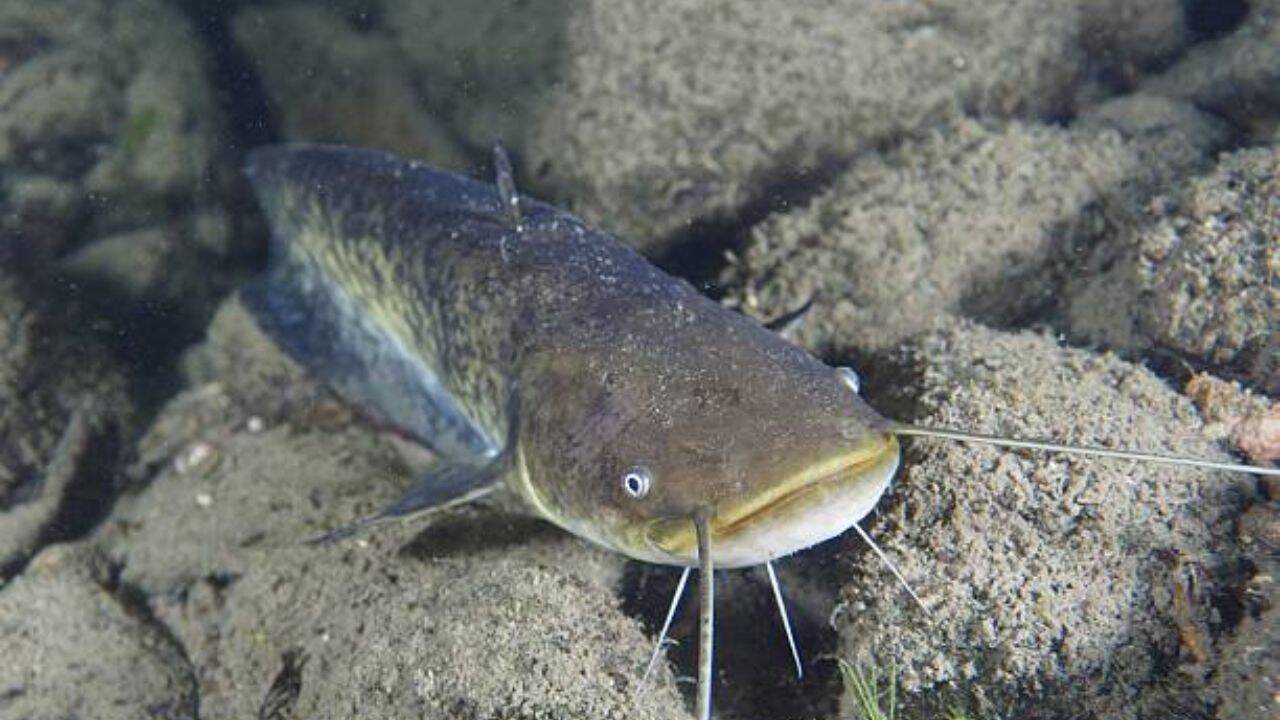
Back in 1974, a German biologist and recreational fisherman named Roland Lorkowsky loaded thousands of juvenile Wels catfish into containers and released them into Spain's Ebro River basin. His motivation wasn't malicious. He simply wanted to engineer a world-class sport fishery by introducing one of Europe’s absolute largest freshwater fish.
Half a century later, that single decision remains a textbook case of ecological short-sightedness. Those juvenile fish didn't just survive. They took over. Today, scientists label the Wels catfish an ecological time bomb, while anglers travel across continents hoping to hook a monster. Read more on a similar issue: this related article.
If you want to understand how a well-meaning hobbyist can permanently alter a foreign ecosystem, you have to look at what happens when an apex predator meets a landscape entirely unprepared for it.
Meet Europe's Freshwater Goliath
The Wels catfish (Silurus glanis) is not your average river dweller. It is the largest native freshwater fish in Europe, capable of stretching past eight feet and tipping the scales at well over 440 pounds. More analysis by BBC explores related views on this issue.
They are built to dominate. Their massive, flattened heads house wide mouths lined with countless needle-sharp teeth, and their bodies are wrapped in slippery, mucus-coated skin. They are opportunistic eaters with zero restraint. An adult catfish consumes roughly five percent of its body weight every single day.
Their diet goes way beyond smaller fish. They eat crayfish, frogs, waterfowl, and even small mammals unlucky enough to paddle too close to the bank. Native species in Spain's river systems evolved over millennia without facing an ambush predator of this scale. They never developed the behavioral defenses needed to survive it.
The Ripple Effects Across Spanish Waterways
Decades after that initial introduction, the consequences are stark. Fisheries that once teemed with native barbel, bogue, and migratory fish like the Allis shad have collapsed.
Local fishermen notice the shift immediately. Where people used to pull dozens of native fish from the water on a routine afternoon, they now find empty stretches. Biologists note that the invasion triggers a depressing homogenization of nature. Unique local aquatic communities vanish, replaced entirely by a uniform population of giant predators.
Worse yet, eradication is no longer on the table. Wildlife managers and conservation experts agree that complete removal is physically impossible. The fish reproduce too quickly, hide too well in complex reservoir systems, and occupy vast river basins that resist human control.
Why Solutions Fall Flat
You might wonder why local authorities don't just fish them out. The reality is messy.
A thriving tourism economy now surrounds the Wels catfish. International sport anglers spend serious money traveling to Spain and Italy to wrestle these giant freshwater beasts. That commercial interest creates a weird divide. Conservationists view the fish as an ongoing disaster, while local hospitality businesses and outfitters profit off their continued existence.
Meanwhile, climate change is handing the invaders an even bigger advantage. As European summers grow hotter and river temperatures climb, conditions line up perfectly for the catfish to expand further upstream into previously cold, safe waters.
Fixing past ecological mistakes takes more than wishful thinking. When you drop an apex predator into a fragile habitat, you write a permanent chapter into the local environment—and fifty years later, nobody knows how to close the book. Stop looking for quick fixes to invasive species management, because once a giant predator settles into a foreign river, it rules the water for good.